Welcome to Manila, the “Pearl of the Orient,” an elegant gateway to the Philippines’ most captivating islands, pristine beaches, and extraordinary natural wonders. This dynamic capital reveals a graceful dialogue between past and present, where Spanish colonial landmarks stand in quiet contrast to sleek contemporary skylines.
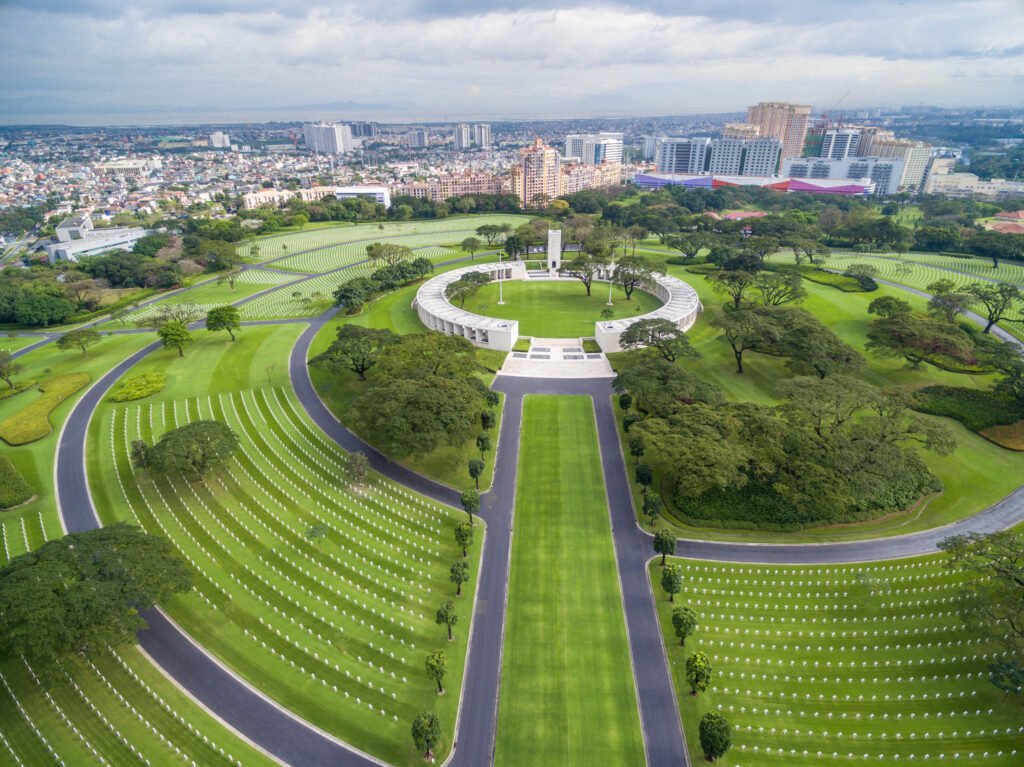
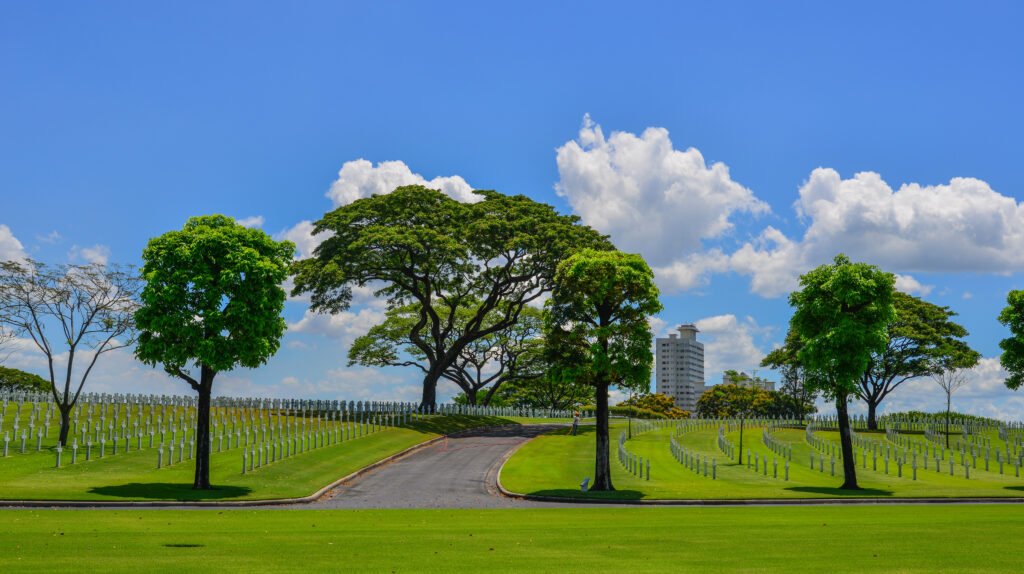
A visit to the World War II Memorial for the Fallen Heroes provides a moment of dignified reflection. Set within immaculately maintained grounds, the memorial honors the courage and sacrifice of those who shaped the nation’s wartime history, offering a serene counterpoint to the city’s vibrant pace.
As the day unfolds, Manila’s avenues and markets come alive with refined energy and local character. Cultural institutions, historic churches, and curated city spaces reveal the depth of the country’s heritage, while evening brings sophisticated dining, elegant nightlife, and polished entertainment—an alluring introduction to the Philippines at its most distinguished.



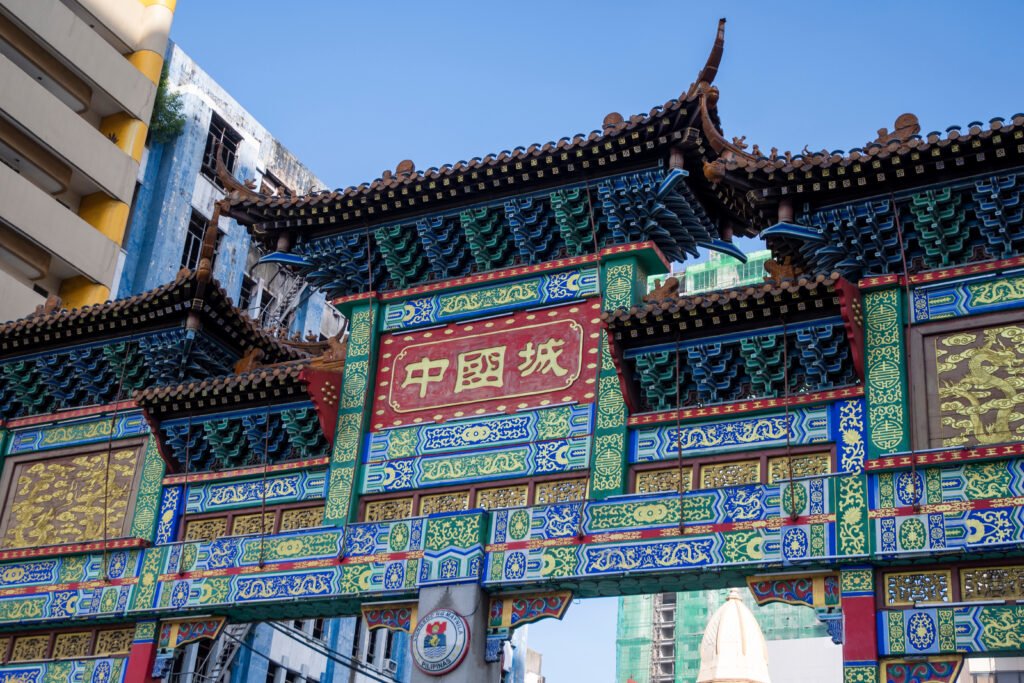
The day unfolds with a curated exploration of Binondo, the world’s oldest Chinatown. Its storied streets, centuries-old shops, and culinary heritage reveal a rich blend of commerce, culture, and tradition. The Binondo Church, national shrine of St. Lorenzo Ruiz, stands as a quiet symbol of enduring faith.
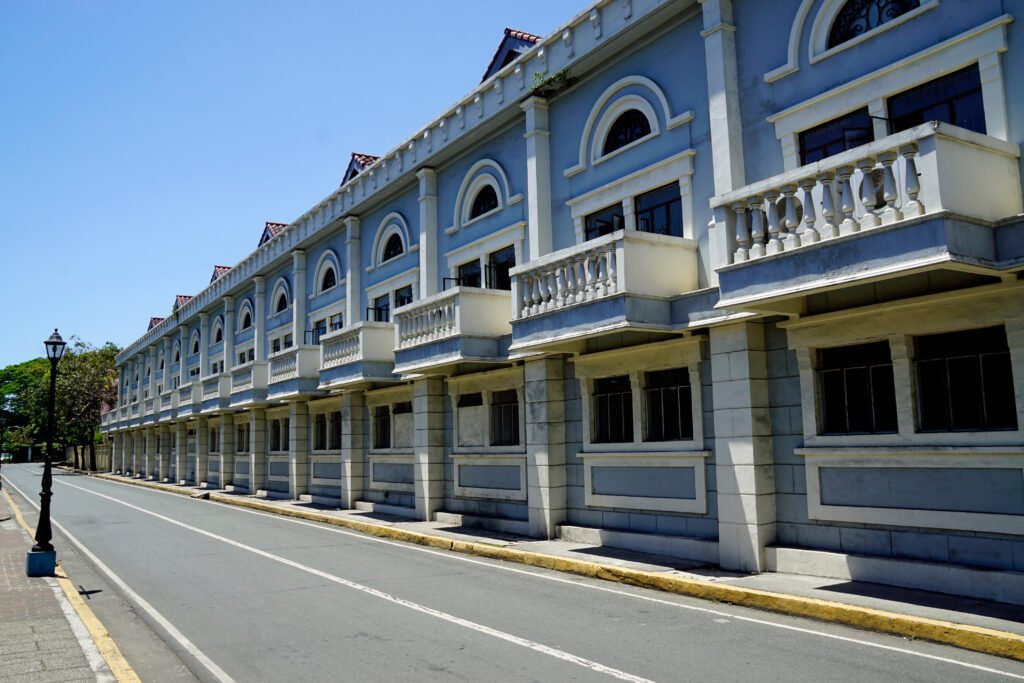
A graceful walk across Jones Bridge leads into Intramuros, the historic walled city shaped by centuries of colonial rule and wartime resilience. Within its walls, Fort Santiago, San Agustin Church—the lone survivor of the Battle of Manila—and the repeatedly rebuilt Manila Cathedral reflect the city’s enduring spirit.
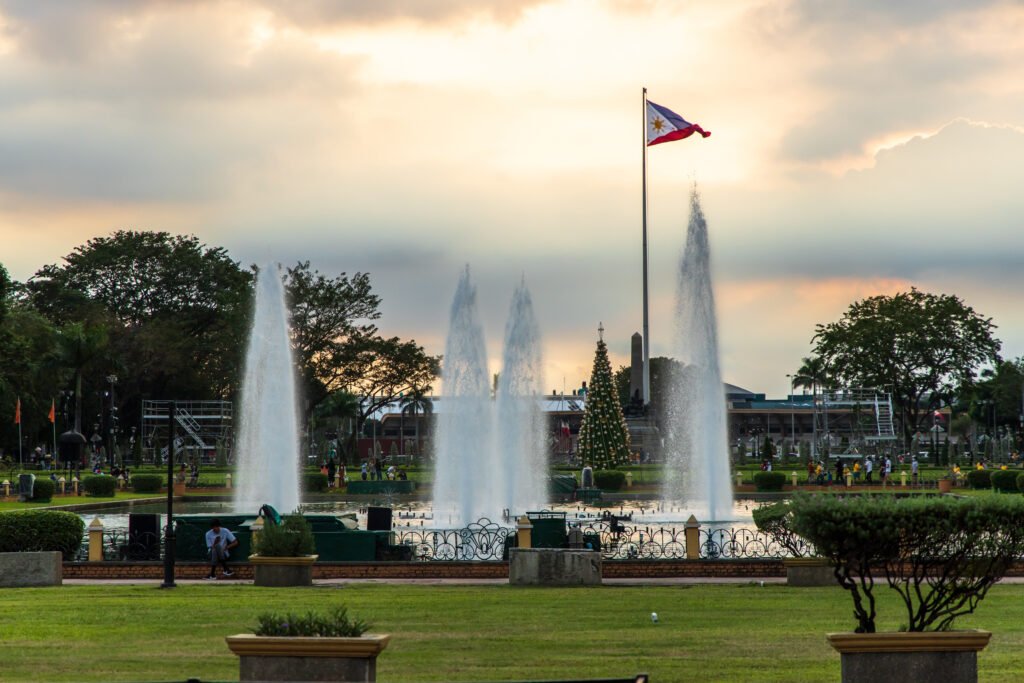
The day concludes at Okada Manila, where sunset gives way to a dazzling display of choreographed fountains, light, and sound—an elegant and unforgettable finale.



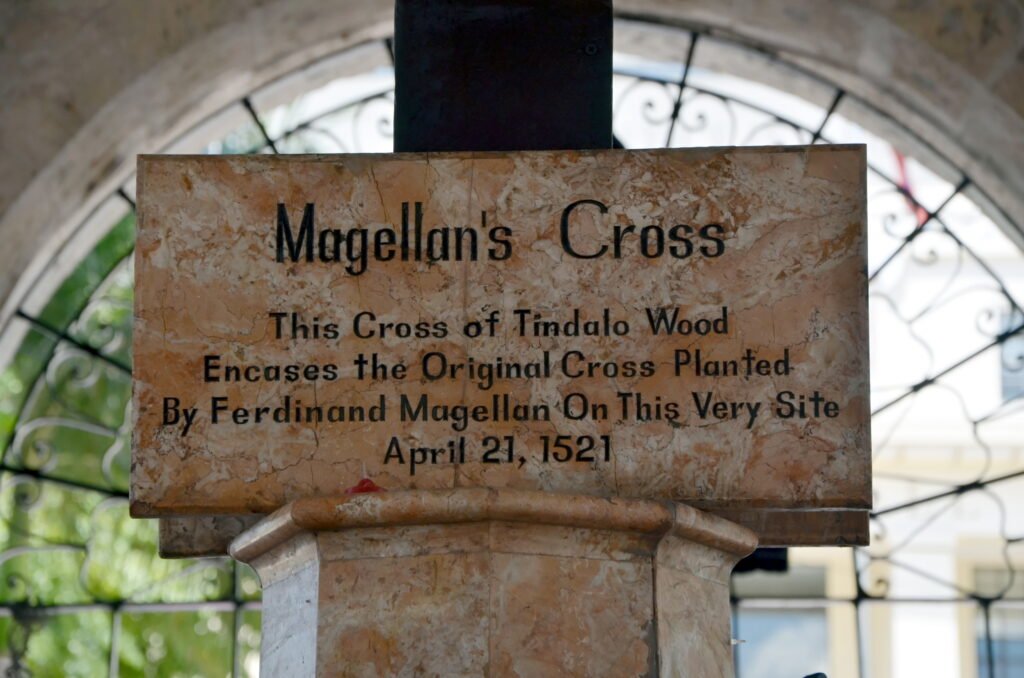
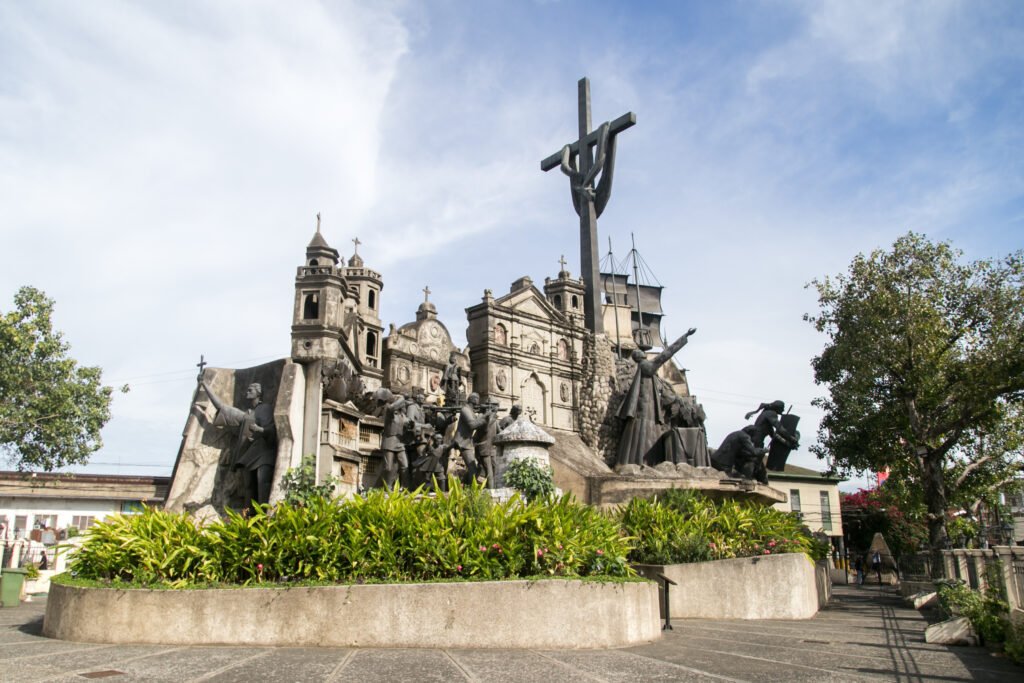
Transfer to NAIA for flight to Cebu. Arrive in Cebu by flight (≈1 hour) and receive a warm welcome from the CHT ground handling team at Mactan–Cebu International Airport. The journey into the island’s rich heritage begins with a visit to Magellan’s Cross, a revered wooden landmark believed to have been planted in 1521, marking the arrival of Christianity in the Philippines.
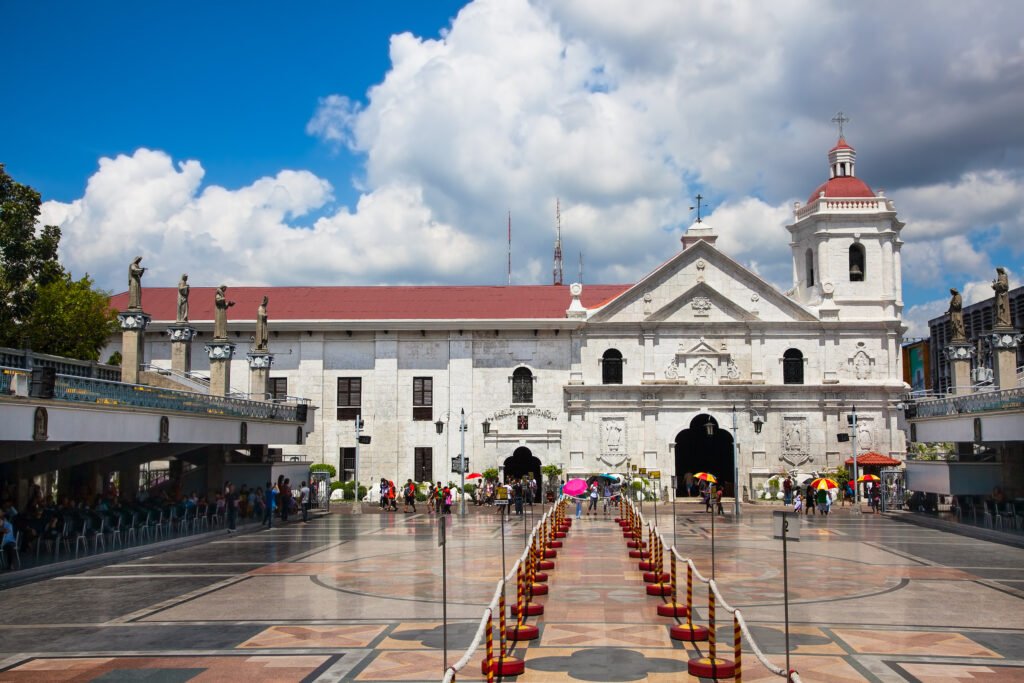
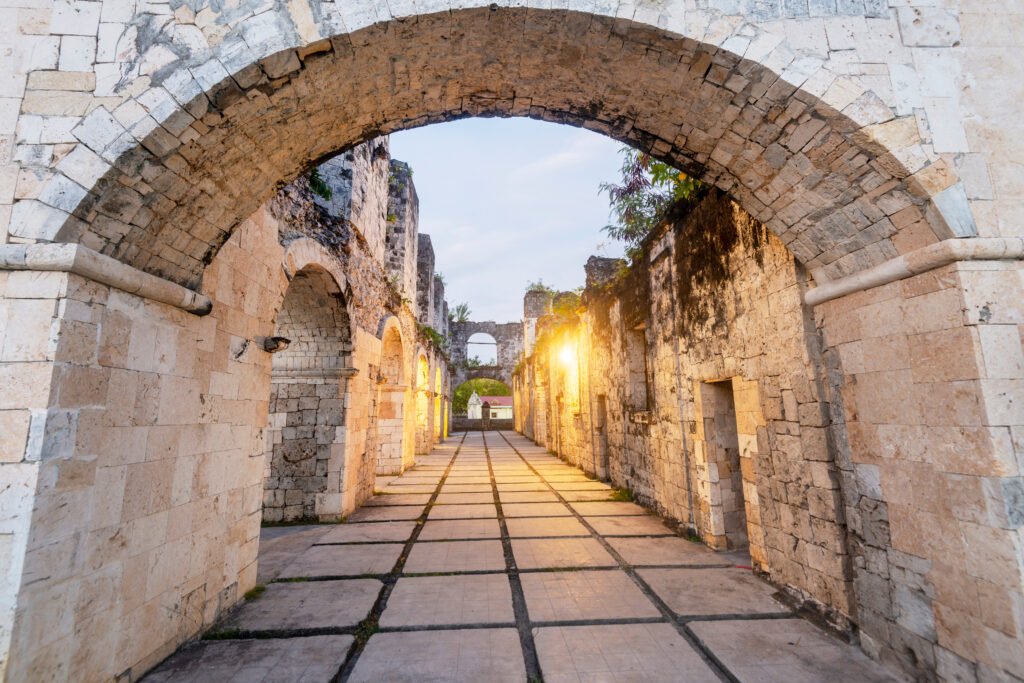
Continue to the Basilica Minore del Santo Niño, built in 1565 and regarded as one of the country’s most significant religious landmarks. Home to the venerated Santo Niño de Cebu, the basilica stands as a powerful symbol of faith, history, and devotion. The exploration proceeds to Fort San Pedro, an 18th-century Spanish colonial fort whose stone walls quietly recount centuries of maritime defense and colonial legacy.
In the afternoon, a comfortable ferry crossing (≈2 hours) carries the journey onward to Bohol. Upon arrival, seamless assistance by the CHT ground team ensures a smooth transfer to Panglao Island, where check-in awaits amid tranquil surroundings, setting the stage for days of pristine beaches and refined island discovery.



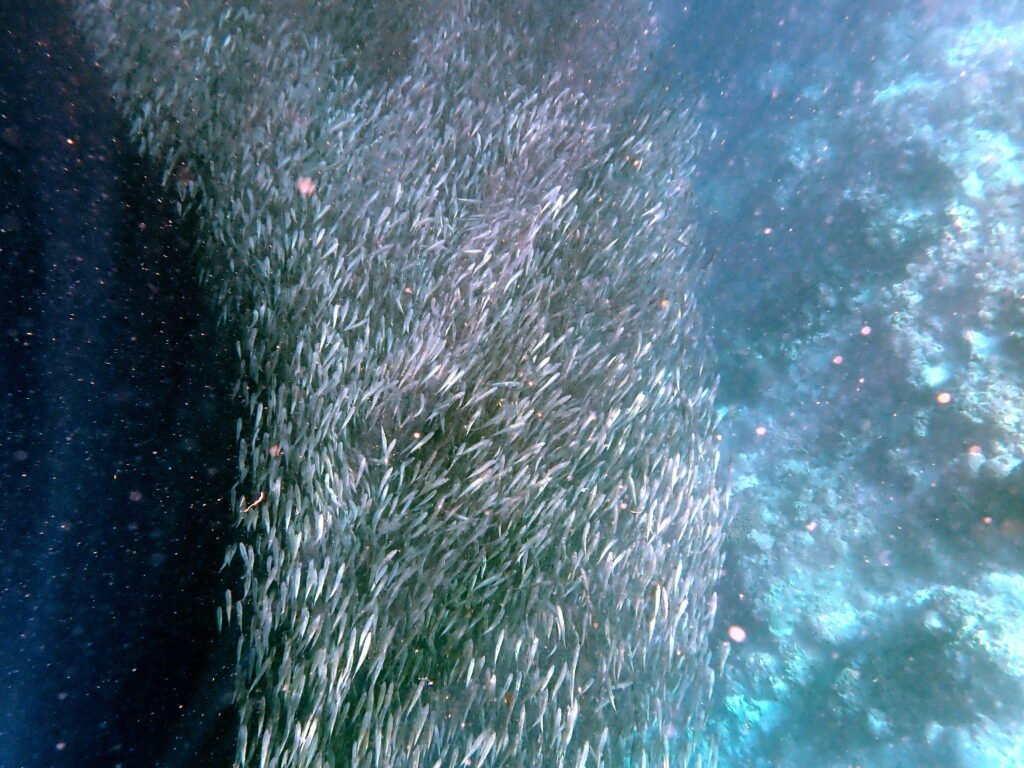
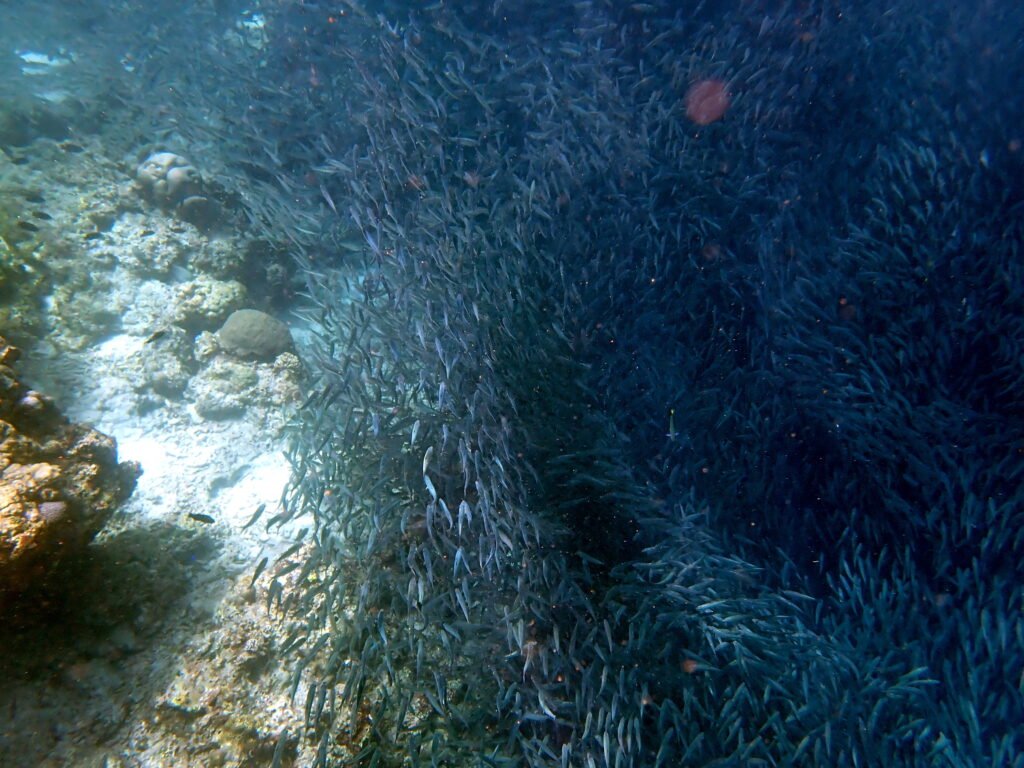
The day begins along the northern shores of Panglao Island at Napaling Reef, where a private encounter with the famed sardine run unfolds beneath crystalline waters. Thousands of sardines move in flawless, synchronized formations, creating a living ballet of silver and light. Early morning offers the most rewarding views, and underwater footage may be captured for those wishing to preserve this rare spectacle.
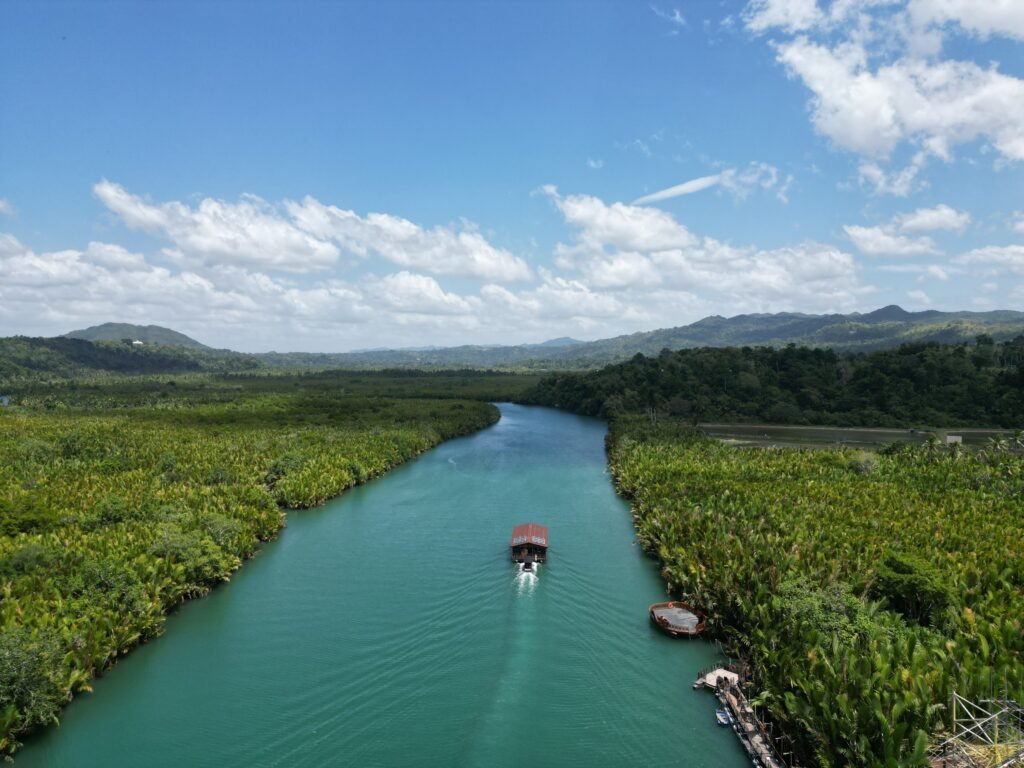
Midday brings a refined countryside experience aboard a Loboc River cruise, where a curated buffet lunch is enjoyed while gliding past emerald forests, graceful coconut palms, and tranquil mangrove corridors. The slow rhythm of the river offers a moment of quiet indulgence amid Bohol’s lush interior.
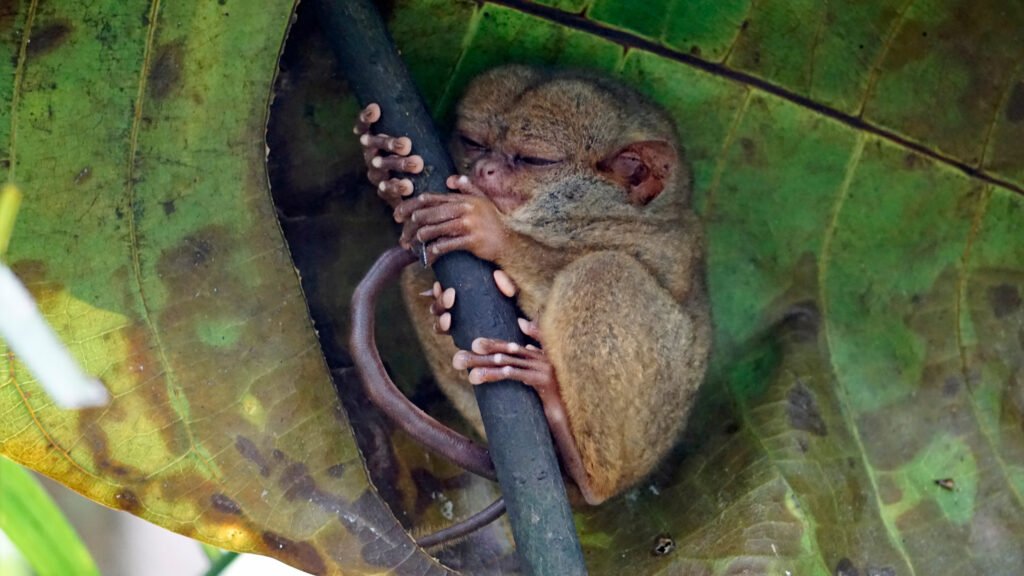
In the afternoon, a visit to the Bohol Tarsier Conservation Area allows for a respectful encounter with the Philippine tarsier (Carlito syrichta), one of the world’s smallest primates. Carefully protected within their natural habitat, these delicate creatures are observed in silence, honoring the sanctuary’s conservation ethos.
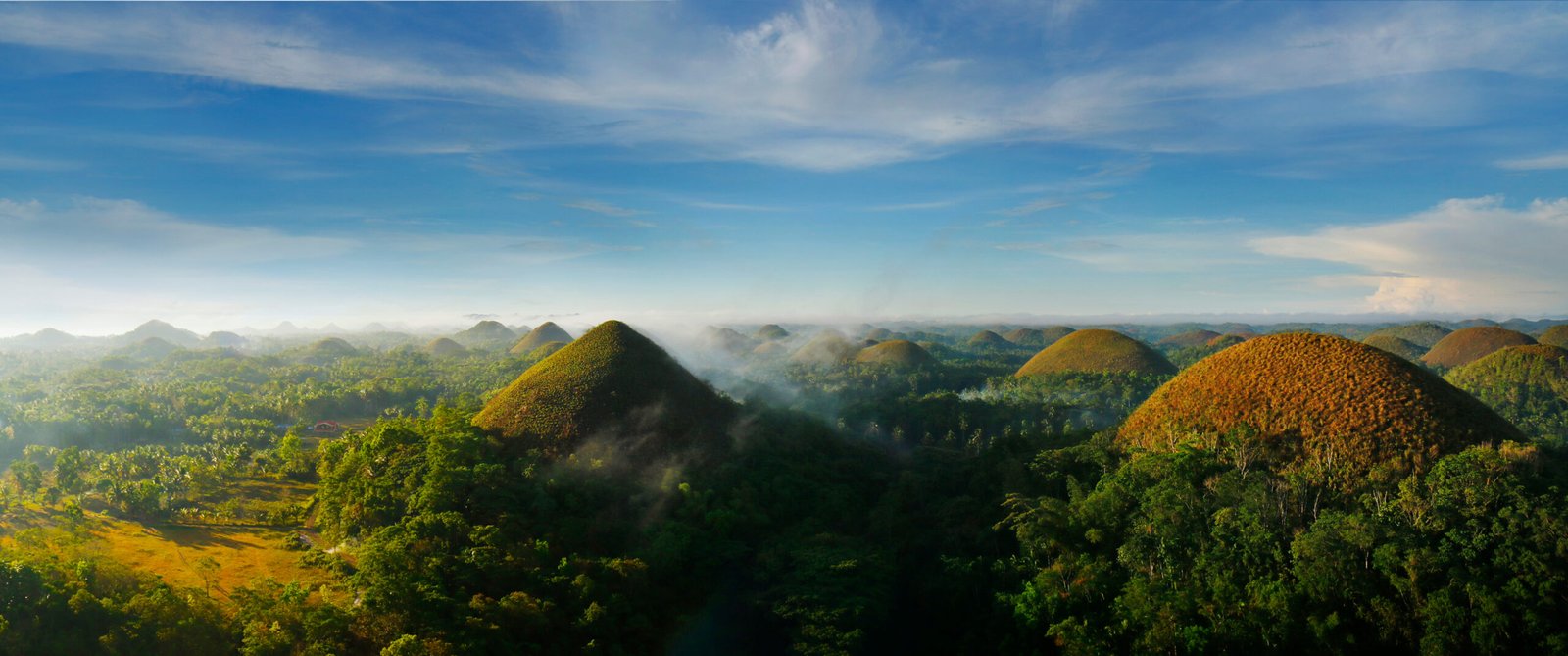
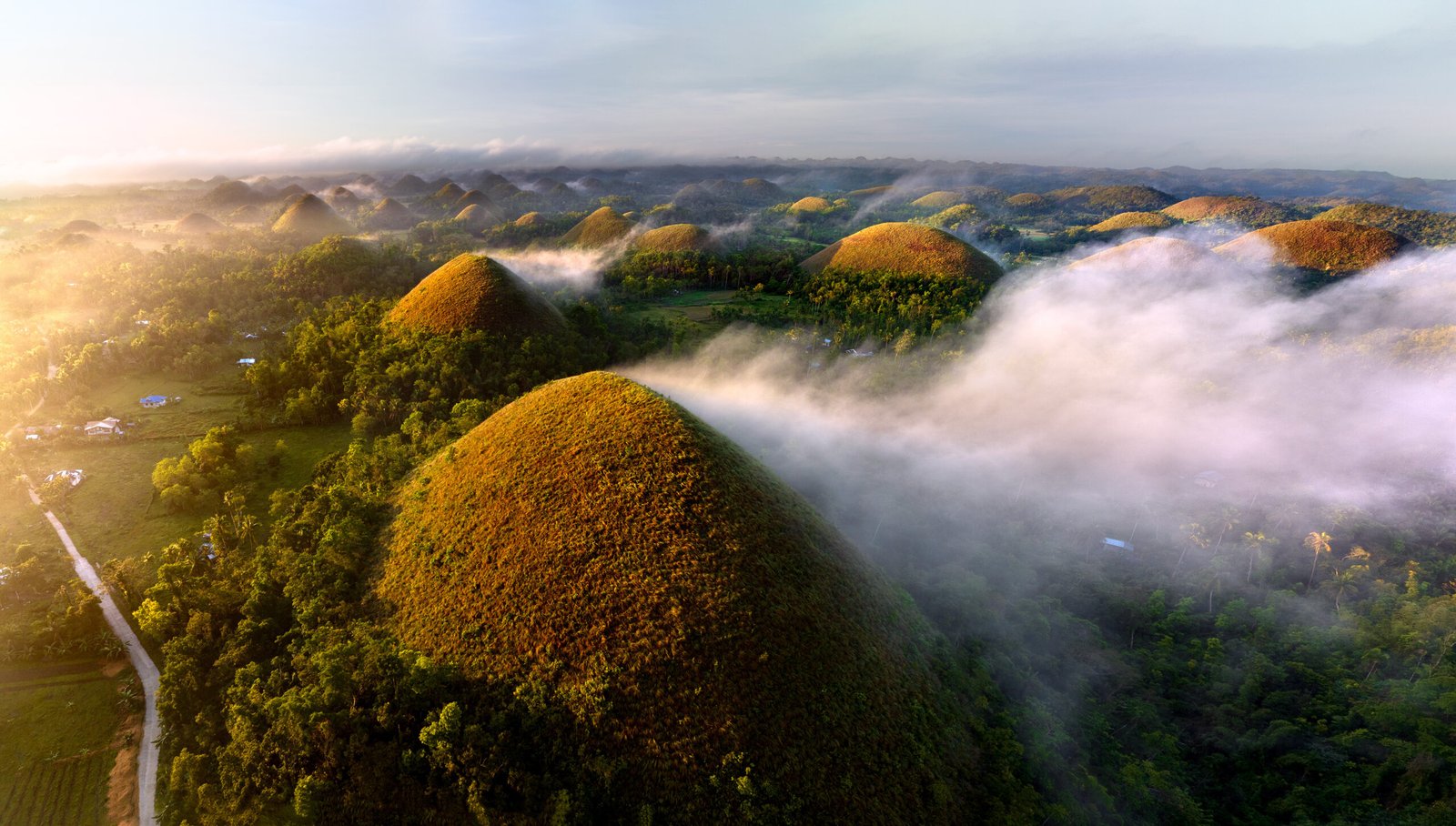
The day concludes at the iconic Chocolate Hills, where hundreds of perfectly shaped mounds rise gently from the landscape. During the dry season, their sun-kissed hues evoke their namesake, while elevated viewing decks present sweeping panoramas—an elegant finale to a day of natural distinction.


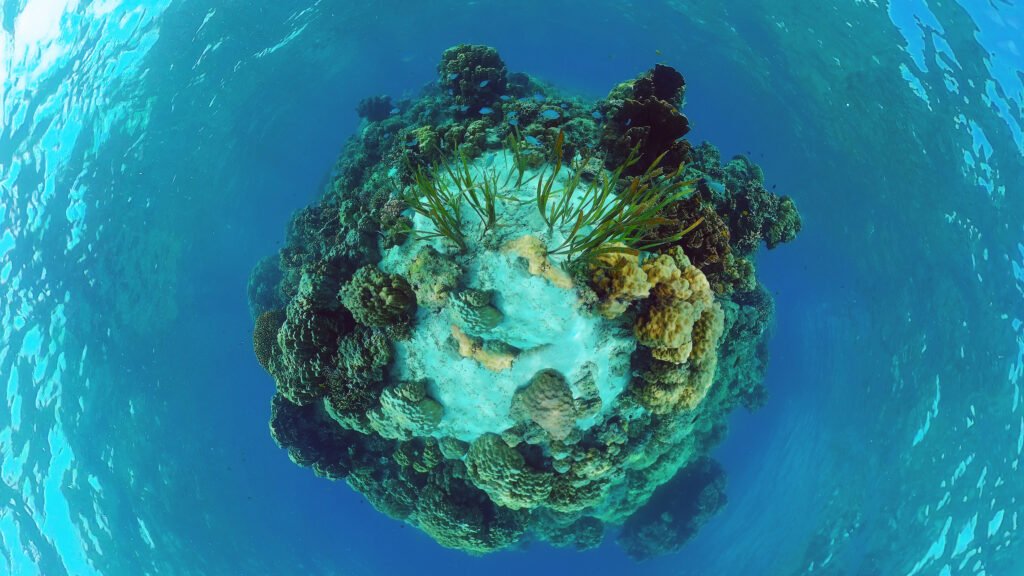
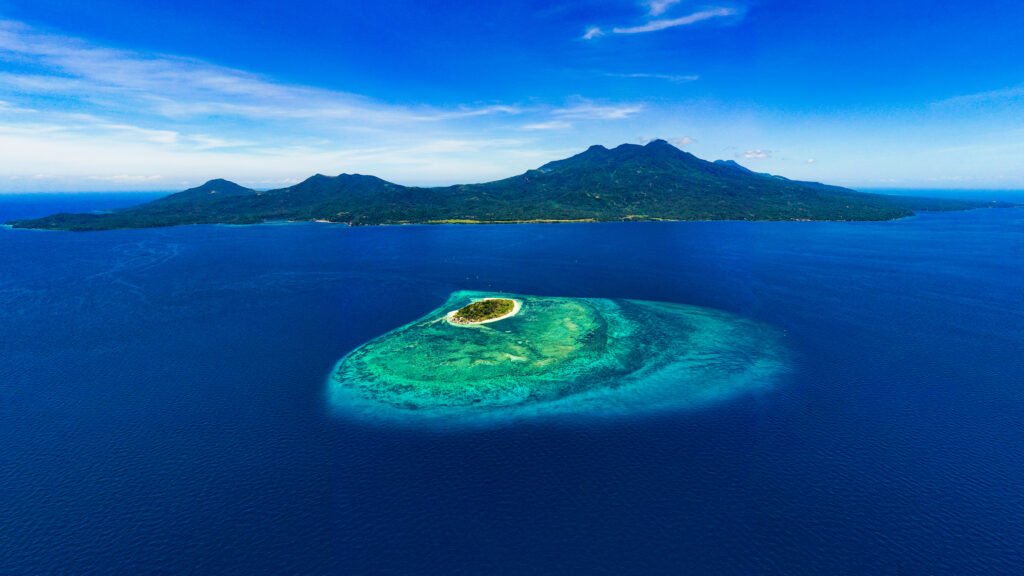
The morning unfolds with a graceful boat journey from Panglao, skimming across calm waters where playful dolphins often accompany the passage and marine life shimmers just beneath the surface. The sea opens gently toward Balicasag Island, one of the region’s most pristine marine sanctuaries.
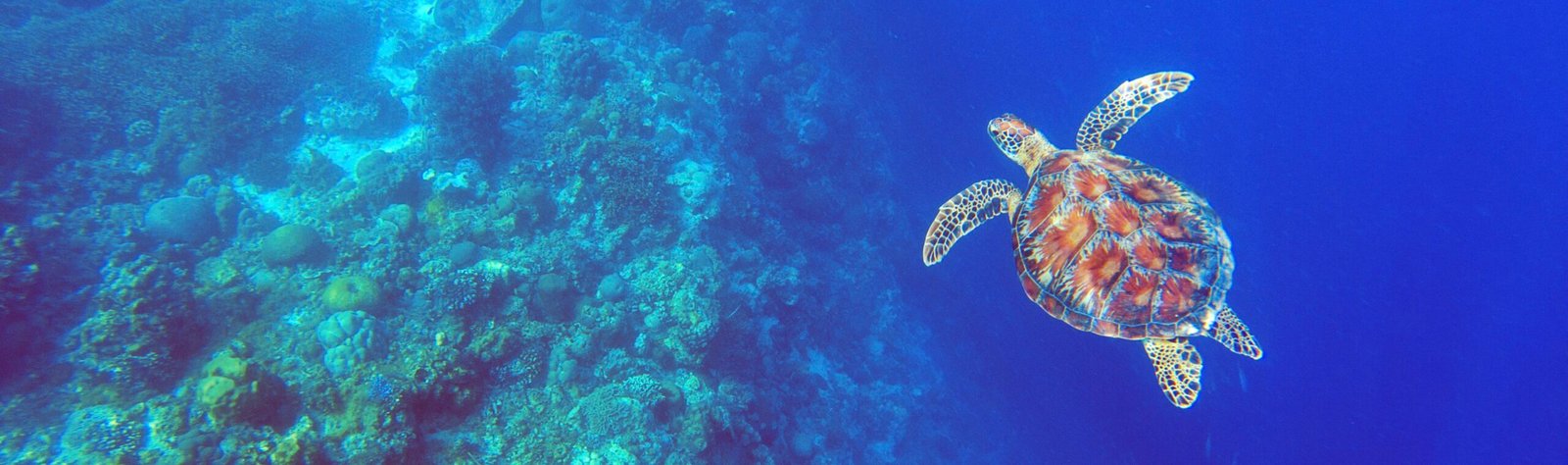
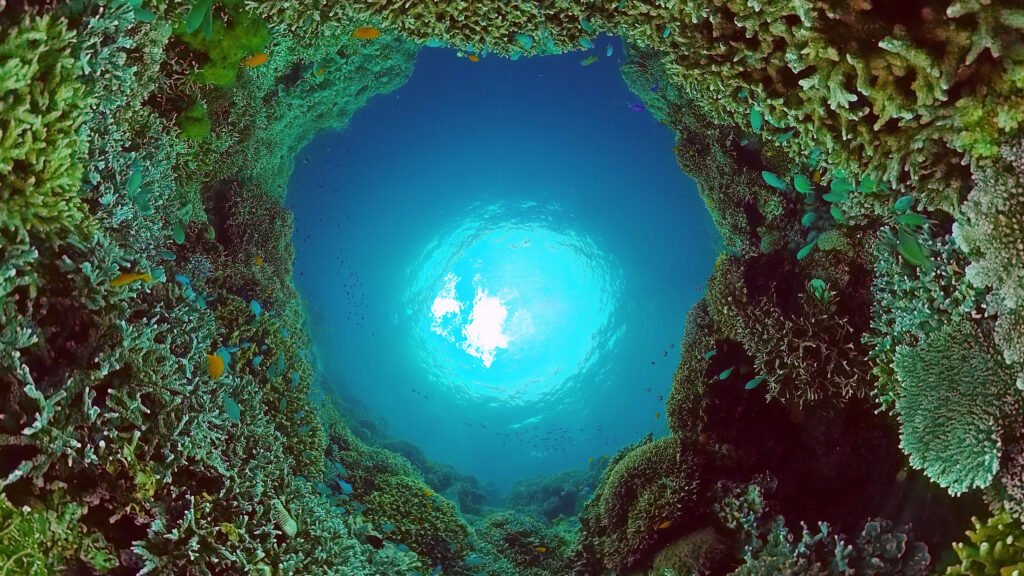
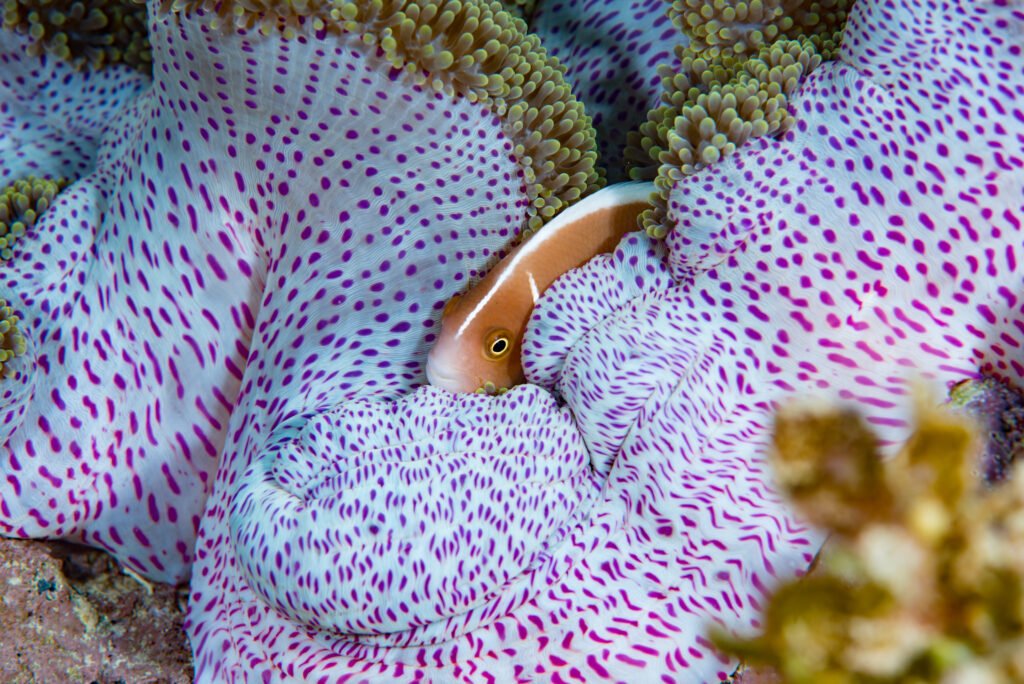
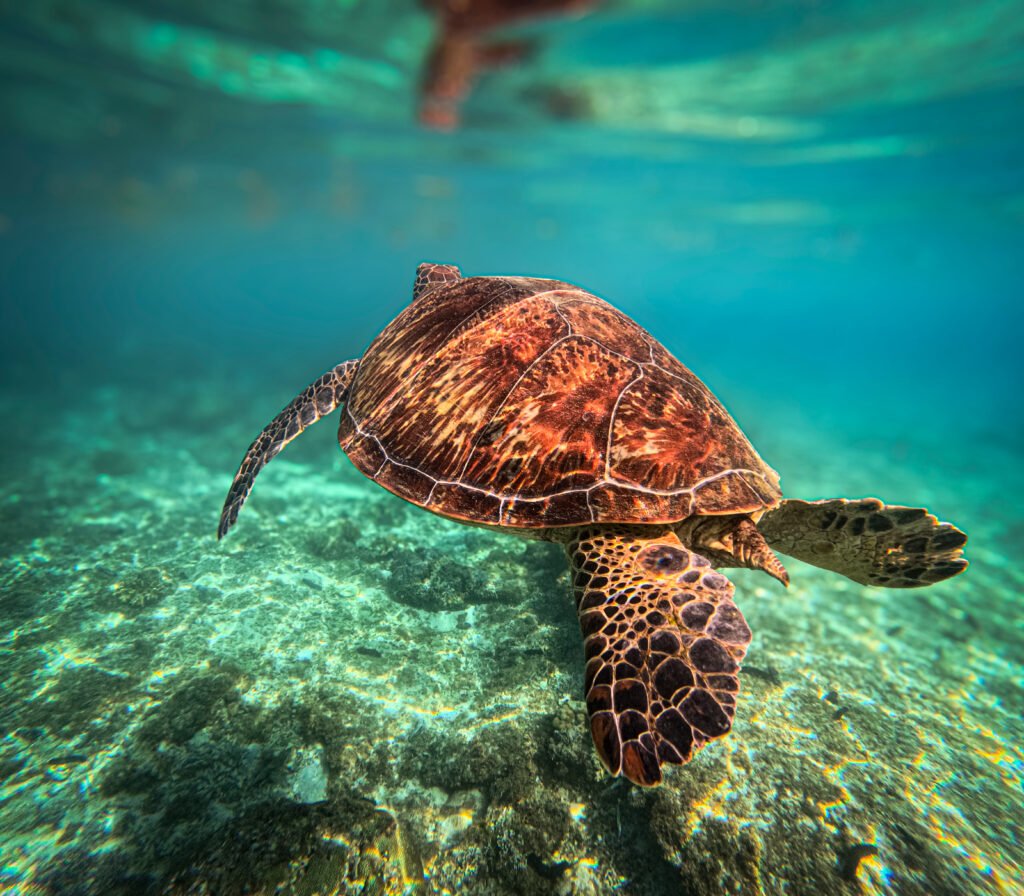
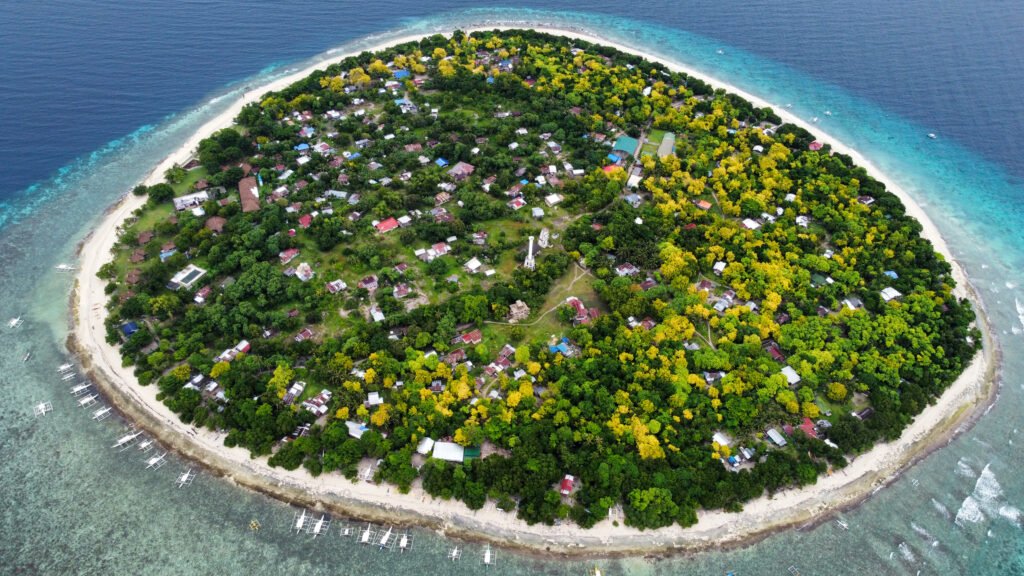
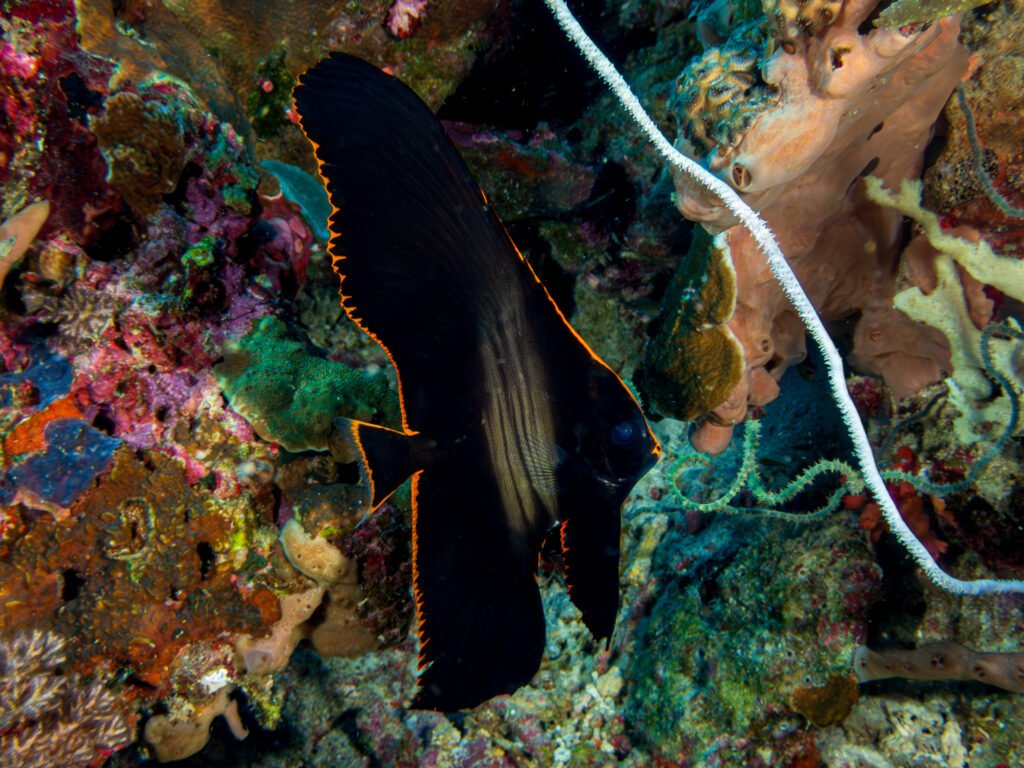
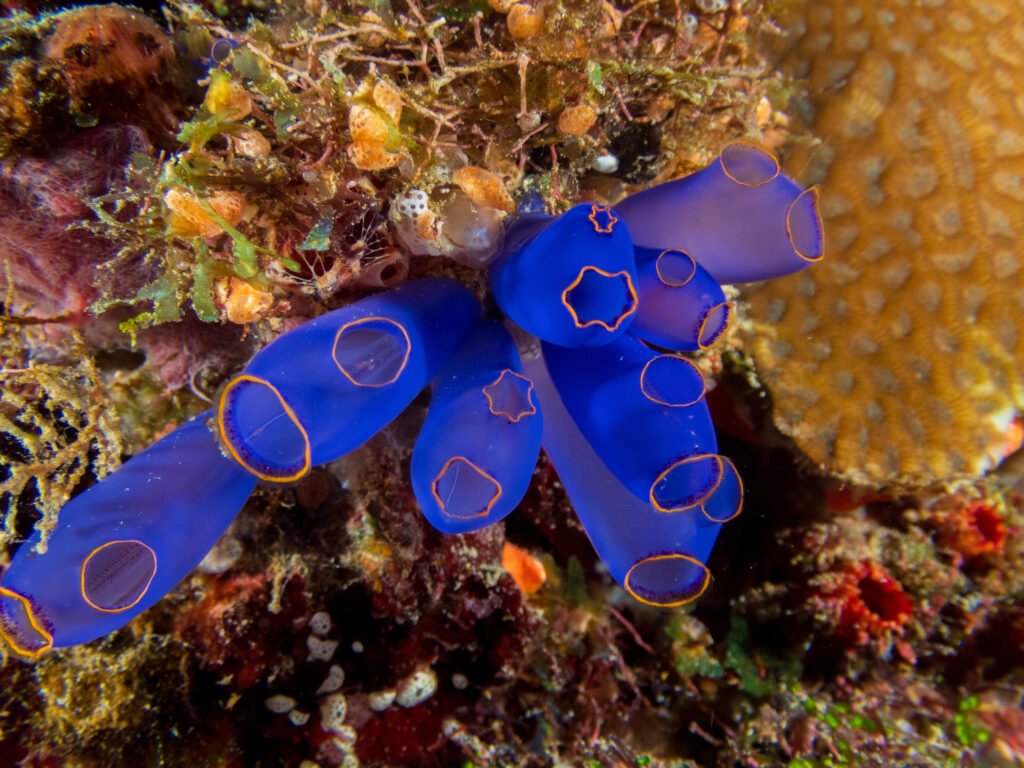
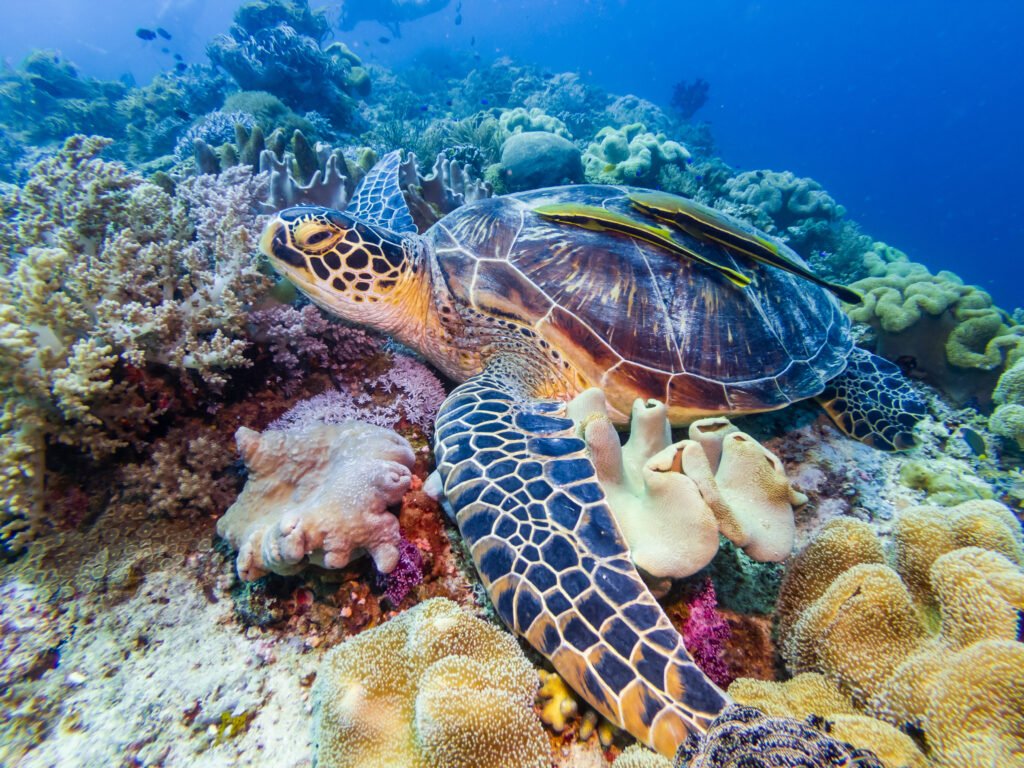
Upon arrival, Balicasag reveals an underwater world of remarkable clarity and color. Coral gardens flourish in vivid hues, while schools of tropical fish—clownfish, parrotfish, lionfish, butterflyfish, and shimmering jackfish—move effortlessly through crystalline waters. At Turtle Point, graceful sea turtles glide over seagrass meadows, offering a serene and unforgettable encounter within their protected habitat.
By afternoon, the return sail leads back to Tagbilaran Port, followed by a smooth transfer to the hotel. The day concludes at leisure, with an intimate beachside bonfire, where the soft glow of flames and the sound of the sea create a tranquil evening under the island sky.
The day begins in the early morning with a gentle sea crossing toward Oslob, where the ocean’s most majestic inhabitants reside. Along these tranquil waters, the experience unfolds with quiet anticipation and exclusivity.
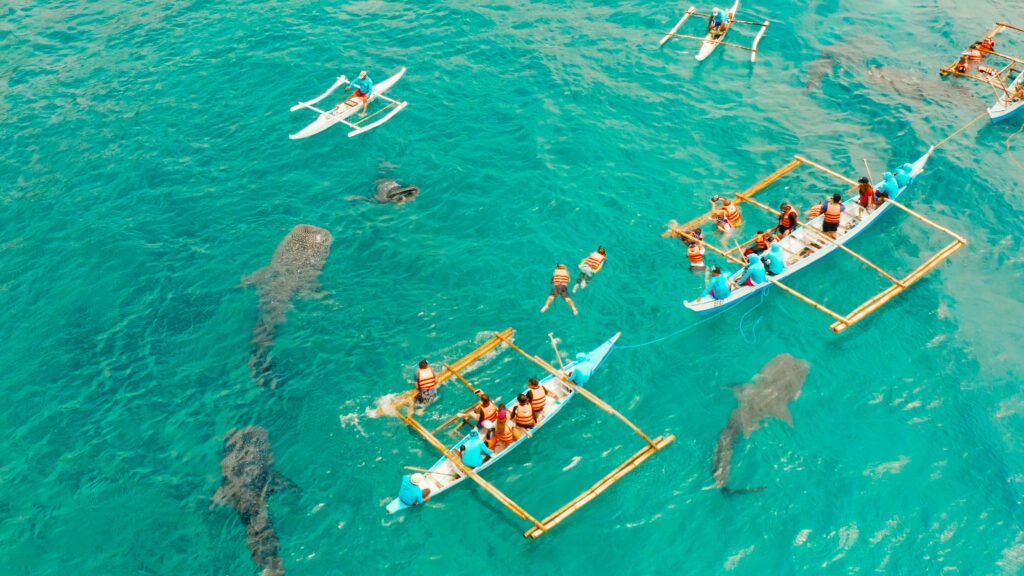
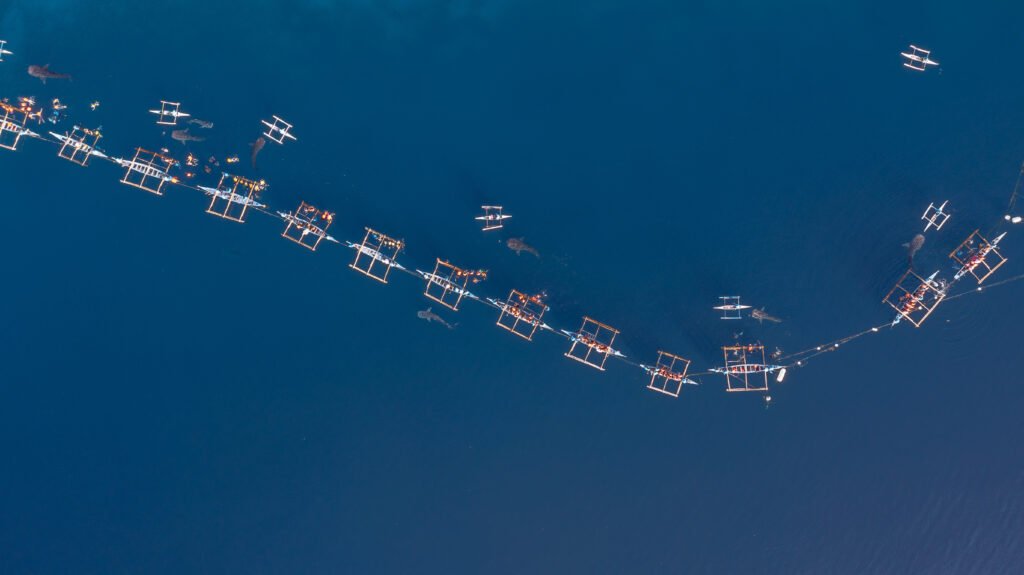
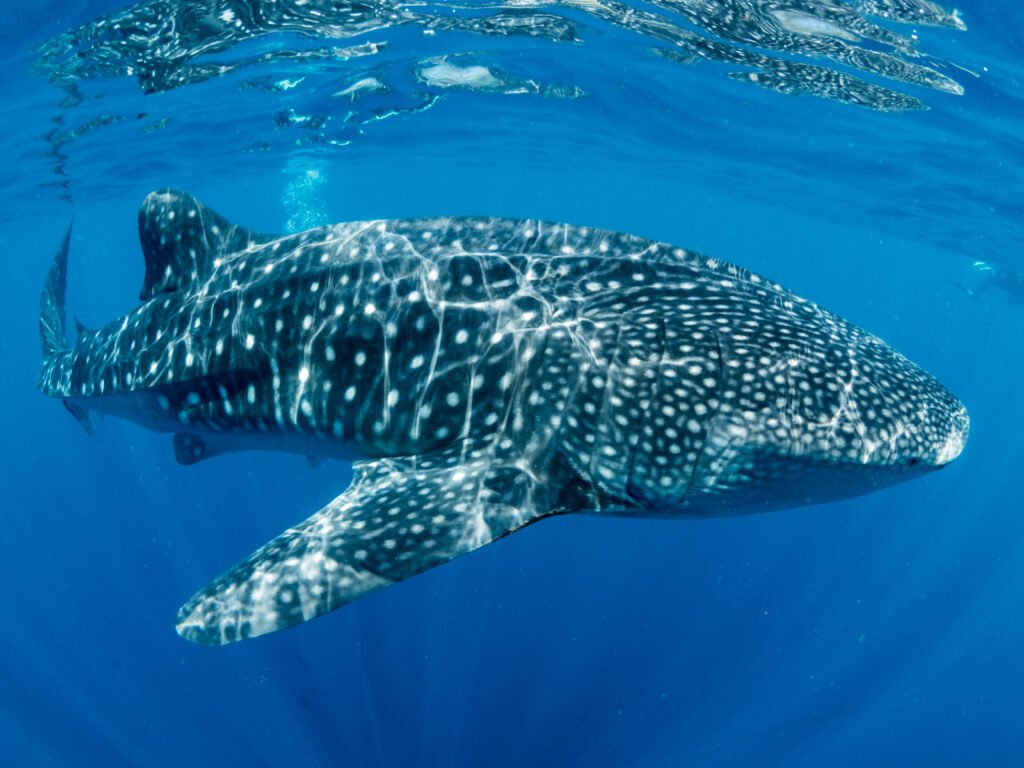
From traditional outrigger boats (bancas) drifting effortlessly above crystalline seas, whale sharks glide just beneath the surface in unhurried grace. Guided by trained professionals, the encounter is conducted with the utmost respect for marine life, allowing for a rare and humbling moment alongside the world’s largest fish as they feed naturally on plankton and krill.
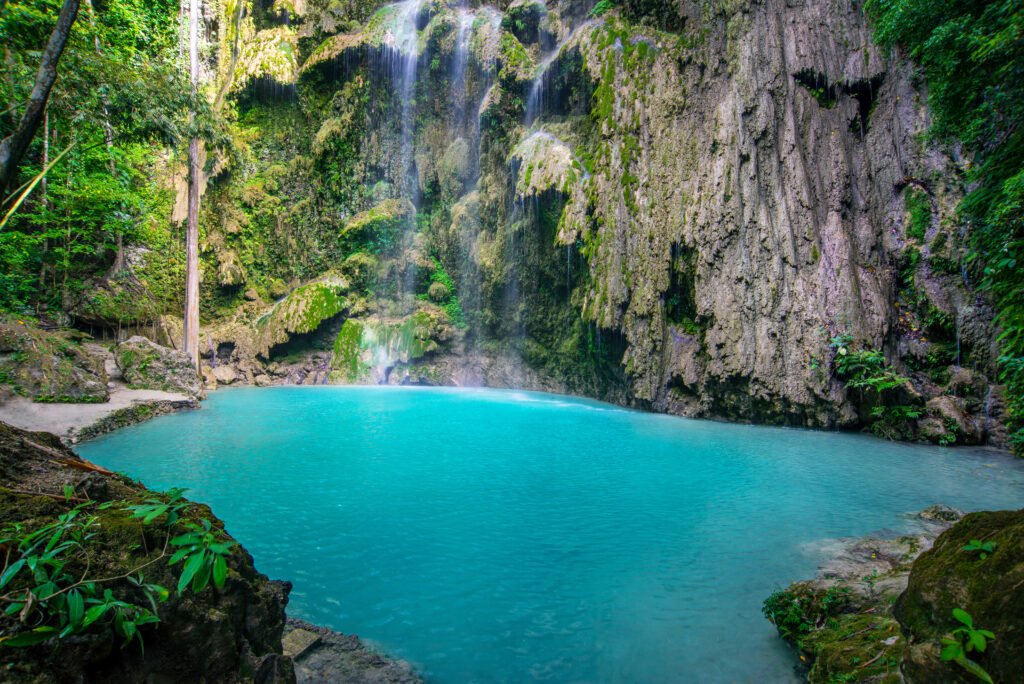
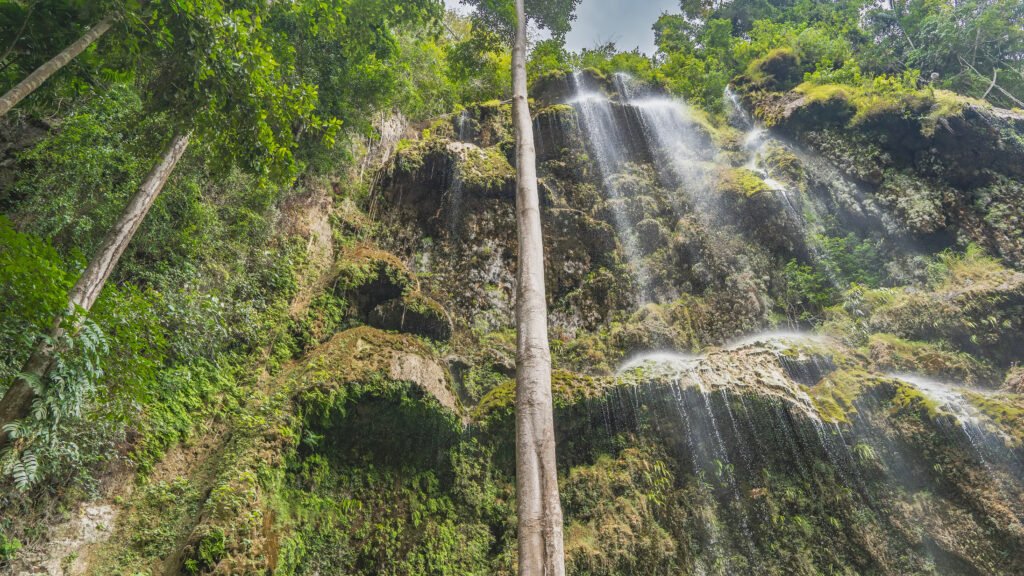
The journey continues inland to Tumalog Falls, where a delicate veil of turquoise water cascades through lush tropical surroundings. This serene setting offers a refreshing pause before lunch, after which the route carries onward to Cebu City for an overnight stay, concluding the day in refined comfort.

The ideal time to explore the Philippines is from November to June, when the weather is generally dry and pleasant. From July to October, rain showers and the occasional Pacific typhoon are more likely, but travelers may enjoy lower rates and smaller crowds during this off-peak season.
Yes, credit cards are widely accepted in the Philippines, especially in major cities and popular tourist areas. However, cash remains the primary method of payment in many locations, particularly in rural or remote regions, so it is advisable to carry Philippine Pesos for purchases at such sites.
Travelers may bring up to PHP 50,000 in Philippine Pesos and up to USD 10,000 (or equivalent) in foreign currency without special permission. Amounts exceeding USD 10,000 must be declared on a Foreign Currency Declaration Form (e-CDF) to the Bureau of Customs (BOC) upon arrival. Failure to declare large sums can result in confiscation and penalties. Read more...


www.cebuheritagetours.com
globe_location_pin Countries Covered

www.cebuheritagetours.com
Tour Overview
Arrival Port flight_land
Departure Port flight_takeoff
www.cebuheritagetours.com
Welcome to Manila, the “Pearl of the Orient,” an elegant gateway to the Philippines’ most captivating islands, pristine beaches, and extraordinary natural wonders. This dynamic capital reveals a graceful dialogue between past and present, where Spanish colonial landmarks stand in quiet contrast to sleek contemporary skylines.
A visit to the World War II Memorial for the Fallen Heroes provides a moment of dignified reflection. Set within immaculately maintained grounds, the memorial honors the courage and sacrifice of those who shaped the nation’s wartime history, offering a serene counterpoint to the city’s vibrant pace.
As the day unfolds, Manila’s avenues and markets come alive with refined energy and local character. Cultural institutions, historic churches, and curated city spaces reveal the depth of the country’s heritage, while evening brings sophisticated dining, elegant nightlife, and polished entertainment—an alluring introduction to the Philippines at its most distinguished.
Dinner
Manila
www.cebuheritagetours.com
The day unfolds with a curated exploration of Binondo, the world’s oldest Chinatown. Its storied streets, centuries-old shops, and culinary heritage reveal a rich blend of commerce, culture, and tradition. The Binondo Church, national shrine of St. Lorenzo Ruiz, stands as a quiet symbol of enduring faith.
A graceful walk across Jones Bridge leads into Intramuros, the historic walled city shaped by centuries of colonial rule and wartime resilience. Within its walls, Fort Santiago, San Agustin Church—the lone survivor of the Battle of Manila—and the repeatedly rebuilt Manila Cathedral reflect the city’s enduring spirit.
The day concludes at Okada Manila, where sunset gives way to a dazzling display of choreographed fountains, light, and sound—an elegant and unforgettable finale.
Breakfast, Lunch & Dinner
Manila
www.cebuheritagetours.com
Transfer to NAIA for flight to Cebu. Arrive in Cebu by flight (≈1 hour) and receive a warm welcome from the CHT ground handling team at Mactan–Cebu International Airport. The journey into the island’s rich heritage begins with a visit to Magellan’s Cross, a revered wooden landmark believed to have been planted in 1521, marking the arrival of Christianity in the Philippines.
Continue to the Basilica Minore del Santo Niño, built in 1565 and regarded as one of the country’s most significant religious landmarks. Home to the venerated Santo Niño de Cebu, the basilica stands as a powerful symbol of faith, history, and devotion. The exploration proceeds to Fort San Pedro, an 18th-century Spanish colonial fort whose stone walls quietly recount centuries of maritime defense and colonial legacy.
In the afternoon, a comfortable ferry crossing (≈2 hours) carries the journey onward to Bohol. Upon arrival, seamless assistance by the CHT ground team ensures a smooth transfer to Panglao Island, where check-in awaits amid tranquil surroundings, setting the stage for days of pristine beaches and refined island discovery.
Breakfast, Lunch & Dinner
Panglao - Bohol
www.cebuheritagetours.com
The day begins along the northern shores of Panglao Island at Napaling Reef, where a private encounter with the famed sardine run unfolds beneath crystalline waters. Thousands of sardines move in flawless, synchronized formations, creating a living ballet of silver and light. Early morning offers the most rewarding views, and underwater footage may be captured for those wishing to preserve this rare spectacle.
Midday brings a refined countryside experience aboard a Loboc River cruise, where a curated buffet lunch is enjoyed while gliding past emerald forests, graceful coconut palms, and tranquil mangrove corridors. The slow rhythm of the river offers a moment of quiet indulgence amid Bohol’s lush interior.
In the afternoon, a visit to the Bohol Tarsier Conservation Area allows for a respectful encounter with the Philippine tarsier (Carlito syrichta), one of the world’s smallest primates. Carefully protected within their natural habitat, these delicate creatures are observed in silence, honoring the sanctuary’s conservation ethos.
The day concludes at the iconic Chocolate Hills, where hundreds of perfectly shaped mounds rise gently from the landscape. During the dry season, their sun-kissed hues evoke their namesake, while elevated viewing decks present sweeping panoramas—an elegant finale to a day of natural distinction.
Breakfast, Lunch & Dinner
Panglao - Bohol
www.cebuheritagetours.com
The morning unfolds with a graceful boat journey from Panglao, skimming across calm waters where playful dolphins often accompany the passage and marine life shimmers just beneath the surface. The sea opens gently toward Balicasag Island, one of the region’s most pristine marine sanctuaries.
Upon arrival, Balicasag reveals an underwater world of remarkable clarity and color. Coral gardens flourish in vivid hues, while schools of tropical fish—clownfish, parrotfish, lionfish, butterflyfish, and shimmering jackfish—move effortlessly through crystalline waters. At Turtle Point, graceful sea turtles glide over seagrass meadows, offering a serene and unforgettable encounter within their protected habitat.
By afternoon, the return sail leads back to Tagbilaran Port, followed by a smooth transfer to the hotel. The day concludes at leisure, with an intimate beachside bonfire, where the soft glow of flames and the sound of the sea create a tranquil evening under the island sky.
Breakfast, Lunch & Dinner
Panglao - Bohol
www.cebuheritagetours.com
The day begins in the early morning with a gentle sea crossing toward Oslob, where the ocean’s most majestic inhabitants reside. Along these tranquil waters, the experience unfolds with quiet anticipation and exclusivity.
From traditional outrigger boats (bancas) drifting effortlessly above crystalline seas, whale sharks glide just beneath the surface in unhurried grace. Guided by trained professionals, the encounter is conducted with the utmost respect for marine life, allowing for a rare and humbling moment alongside the world’s largest fish as they feed naturally on plankton and krill.
The journey continues inland to Tumalog Falls, where a delicate veil of turquoise water cascades through lush tropical surroundings. This serene setting offers a refreshing pause before lunch, after which the route carries onward to Cebu City for an overnight stay, concluding the day in refined comfort.
Breakfast, Lunch & Dinner
Cebu
www.cebuheritagetours.com
www.cebuheritagetours.com
Experience the Visayas as a tapestry of emerald jungles, crystal-clear waters, and timeless island traditions. This journey blends gentle adventure with the tranquil beauty that defines the heart of the Philippines.