Transfer: Istanbul Airport – Domestic Terminal.
Domestic Flight: Istanbul – Izmir.
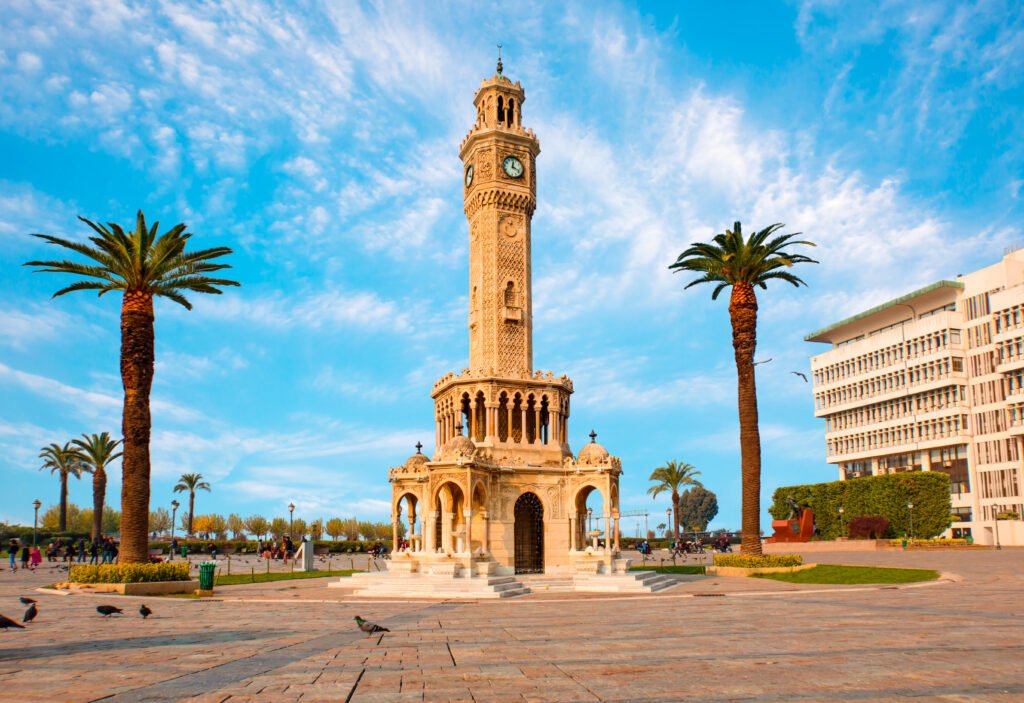
Transfer: Izmir – Kusadasi | 80 km | approx. 1 hr 15 mins
Forenoon arrival at Istanbul International Airport. Meet and assist on arrival, followed by transfer to the domestic terminal for the onward flight to Izmir. Upon arrival, continue by road to Kusadasi.
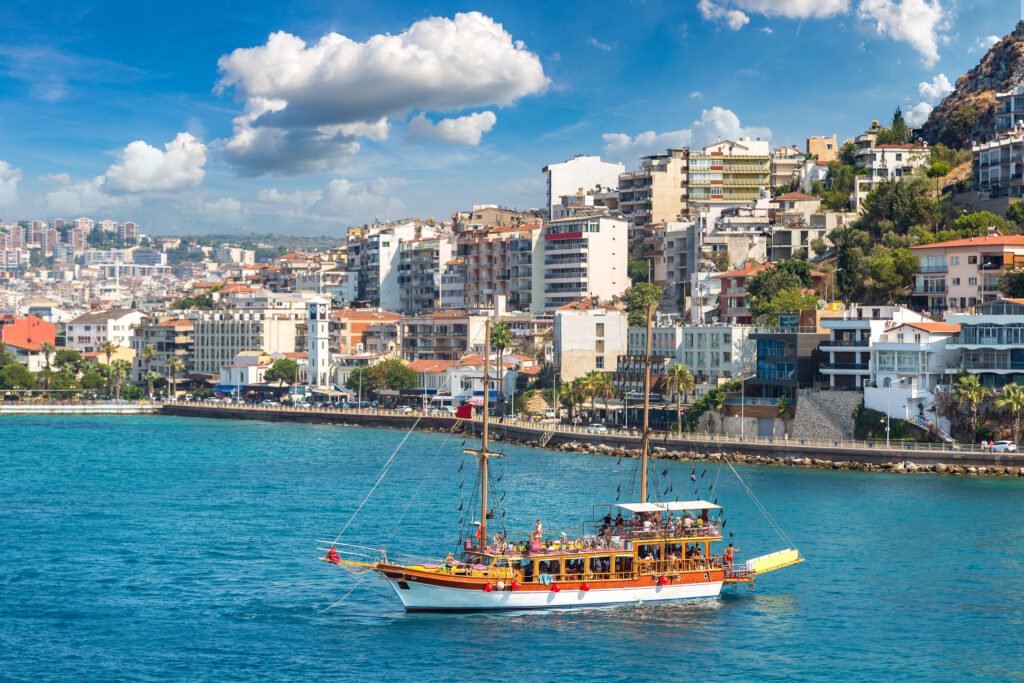
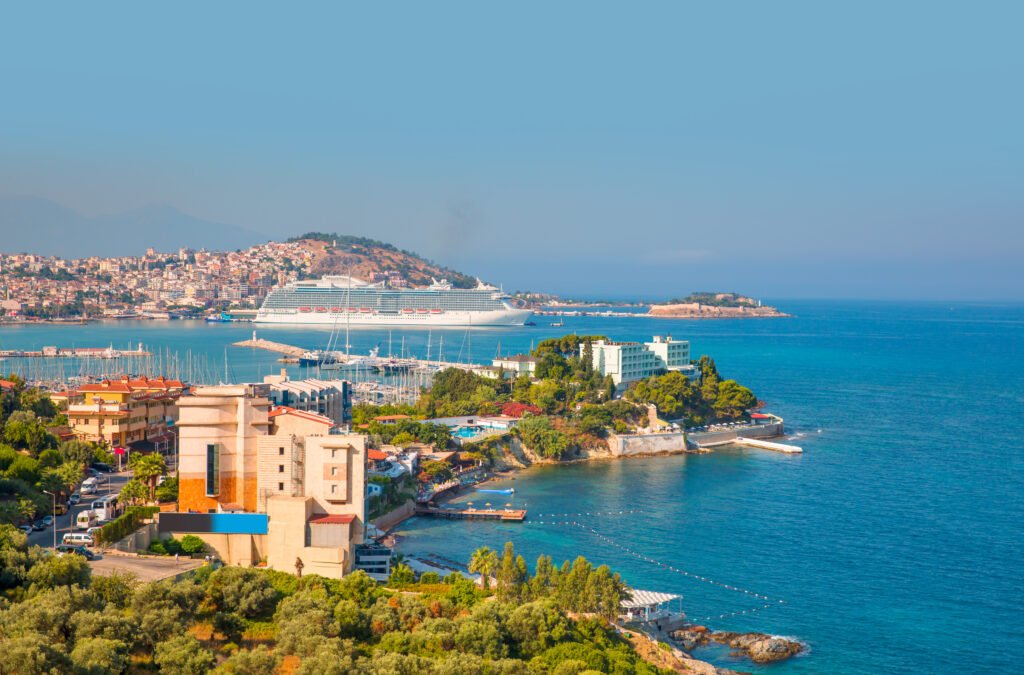
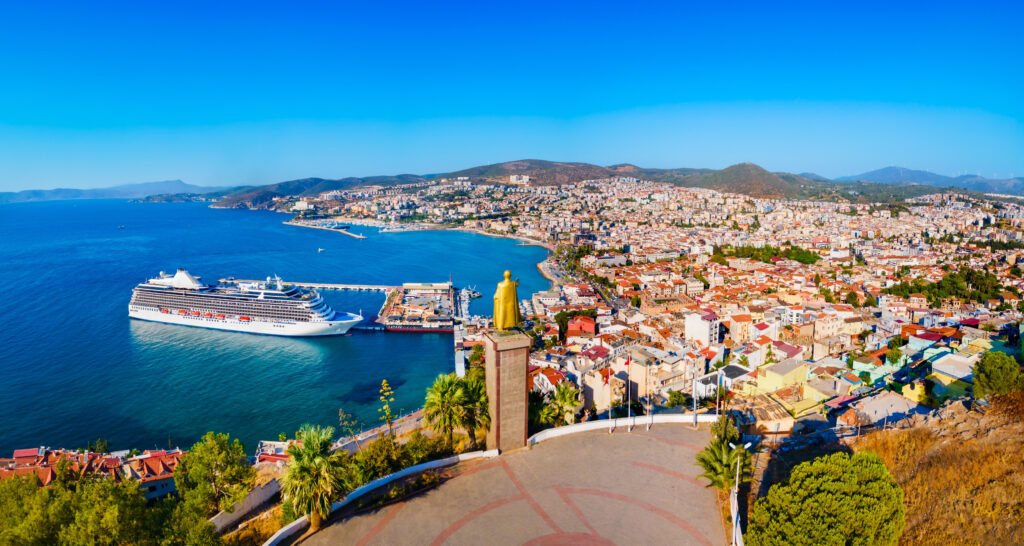
The journey towards the Aegean coast passes through fertile plains and cultivated landscapes, gradually opening toward coastal views. Kusadasi serves as a gateway to the historical and biblical sites of western Turquie.
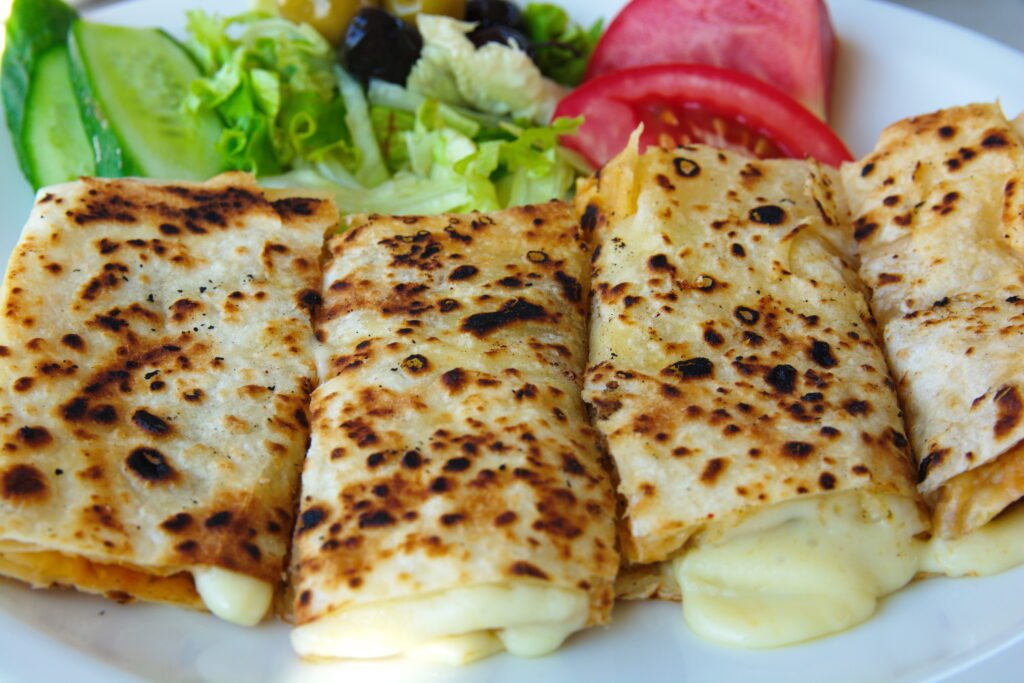
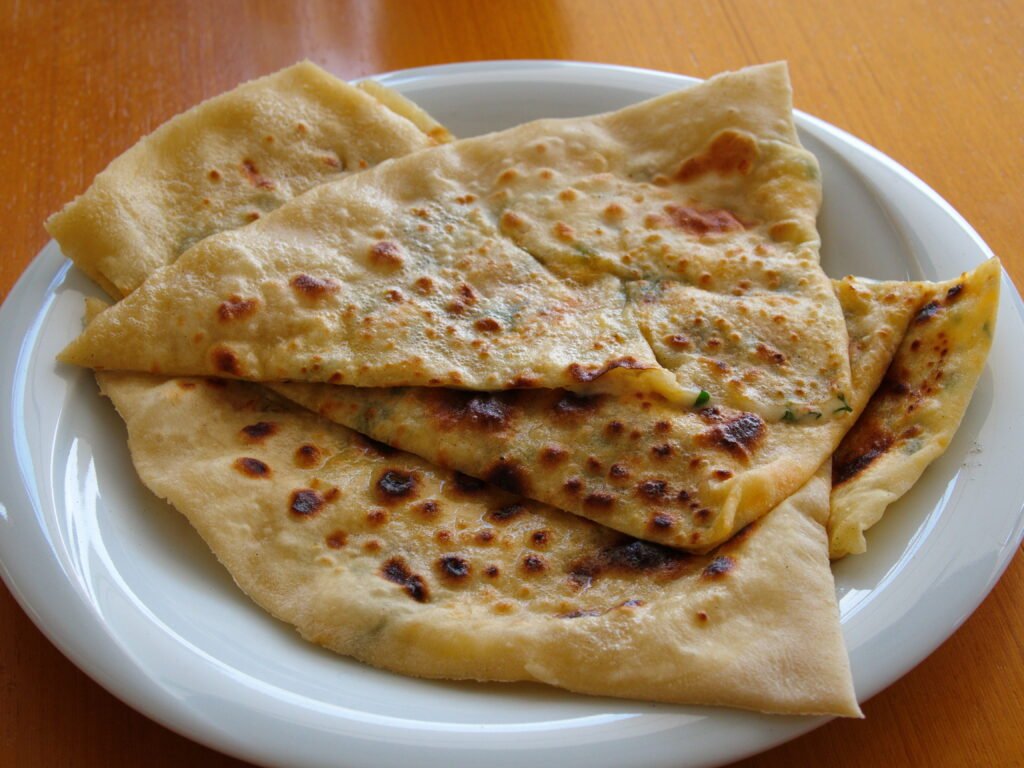
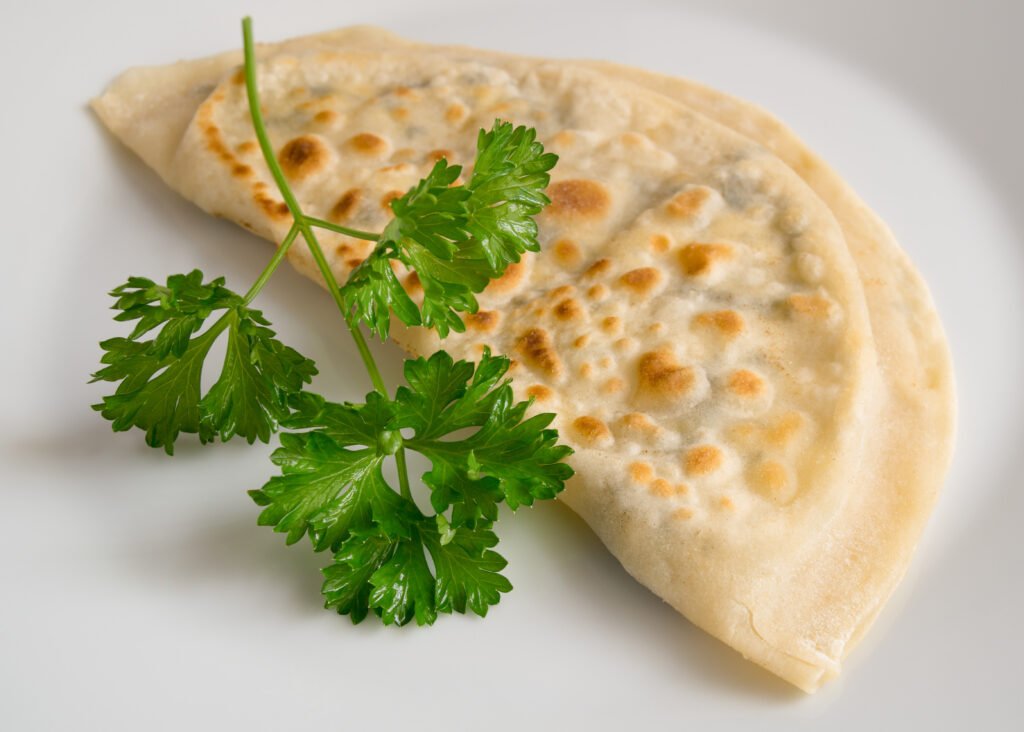
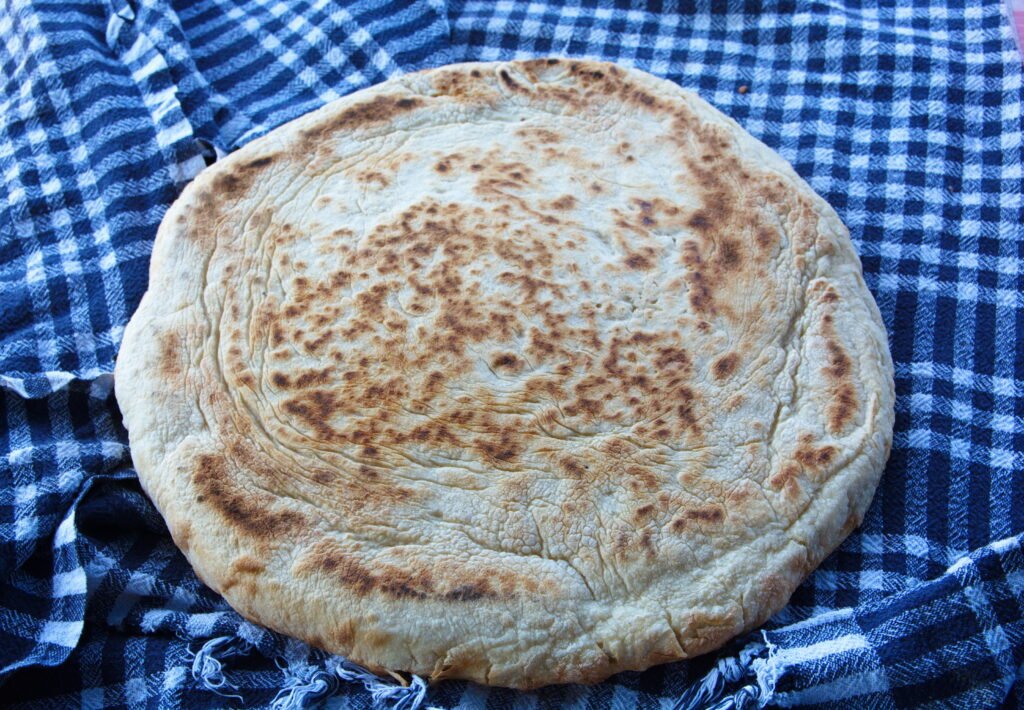
Lunch: Gözleme – Traditional hand-rolled flatbread cooked on a griddle, filled with spinach and cheese or minced meat, served fresh with Ayran, a yogurt-based drink widely consumed across Turquie.
Time at leisure upon arrival to settle in and adjust after the journey.
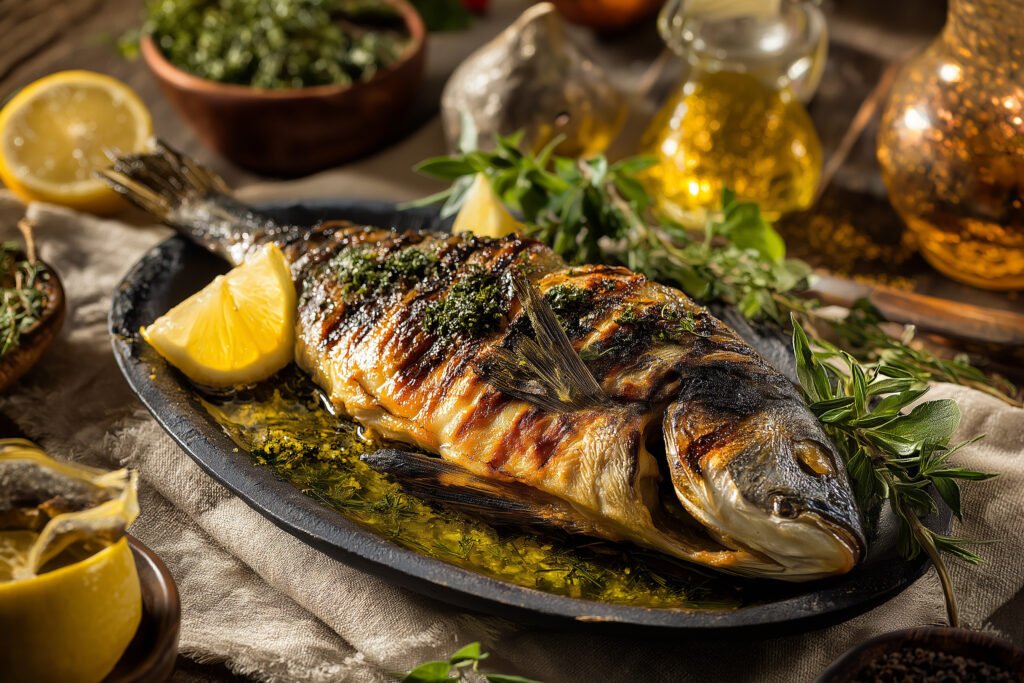
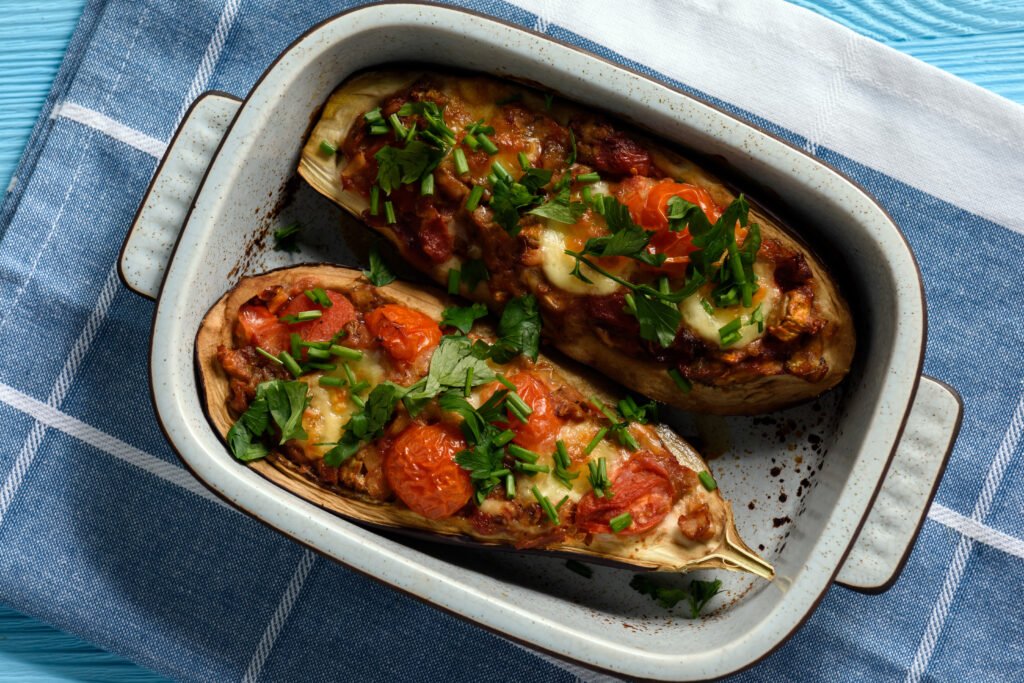
Dinner: Çipura Izgara: Fresh Aegean Sea bream fish grilled over charcoal, lightly seasoned and served with seasonal vegetables. Zeytinyağlı Sebzeler: Vegetables such as beans, eggplant, or artichokes cooked in olive oil, reflecting the coastal culinary tradition of the Aegean region.
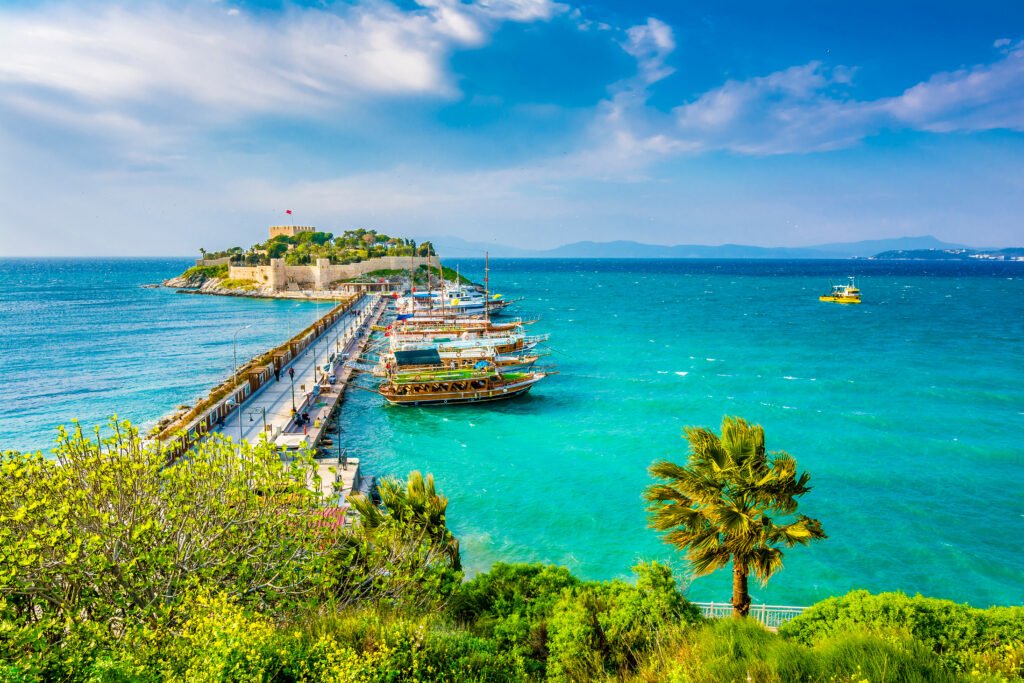
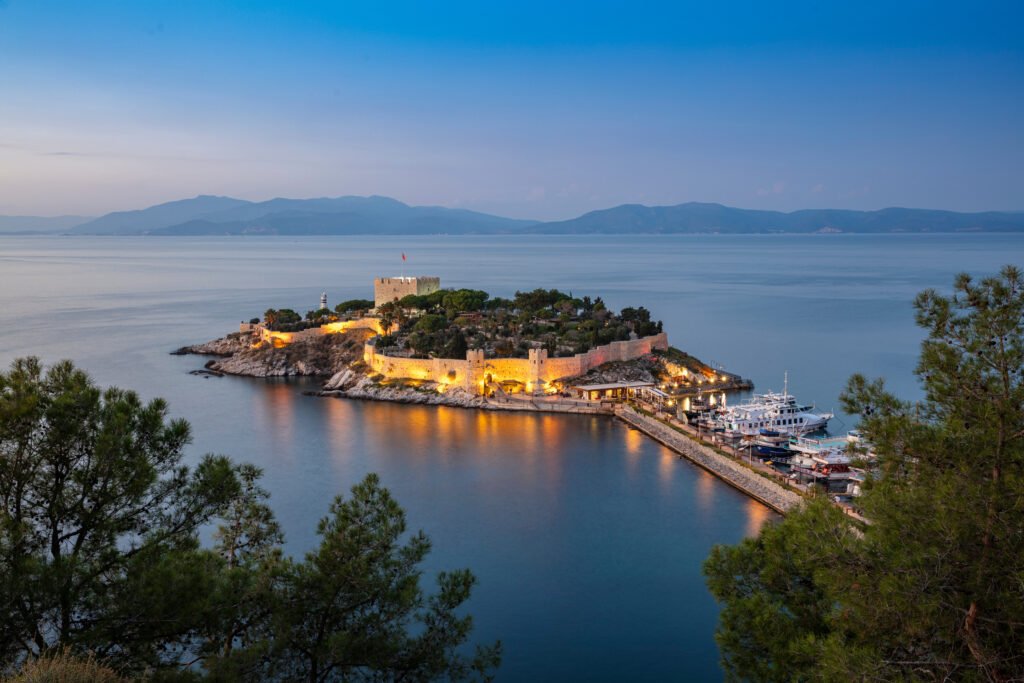
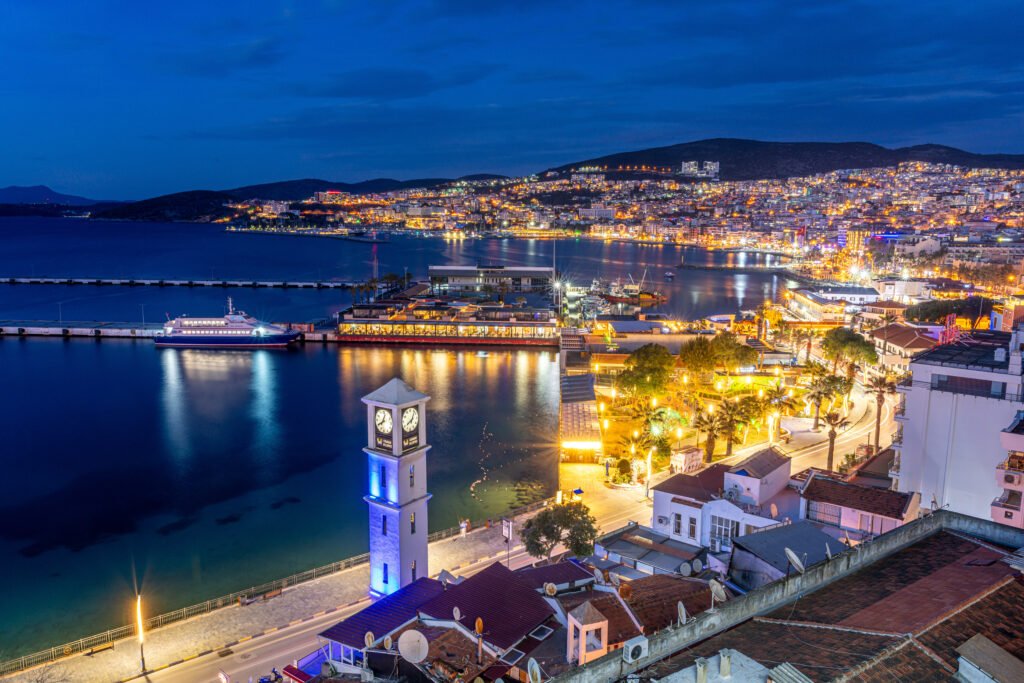
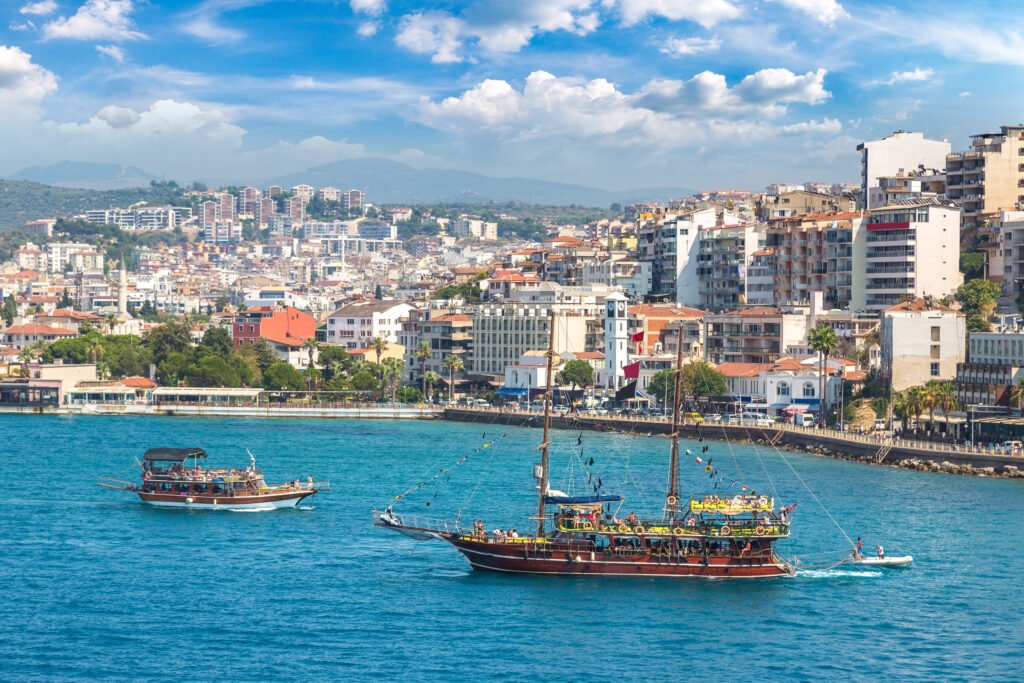
Transfer: Hotel – Kusadasi Port (06:15 hrs). Ferry: Kusadasi – Patmos (08:00 – 10:15).
Transfer: Patmos – Port. Ferry: Patmos – Kusadasi (17:00 – 19:15). Transfer: Kusadasi Port – Hotel.
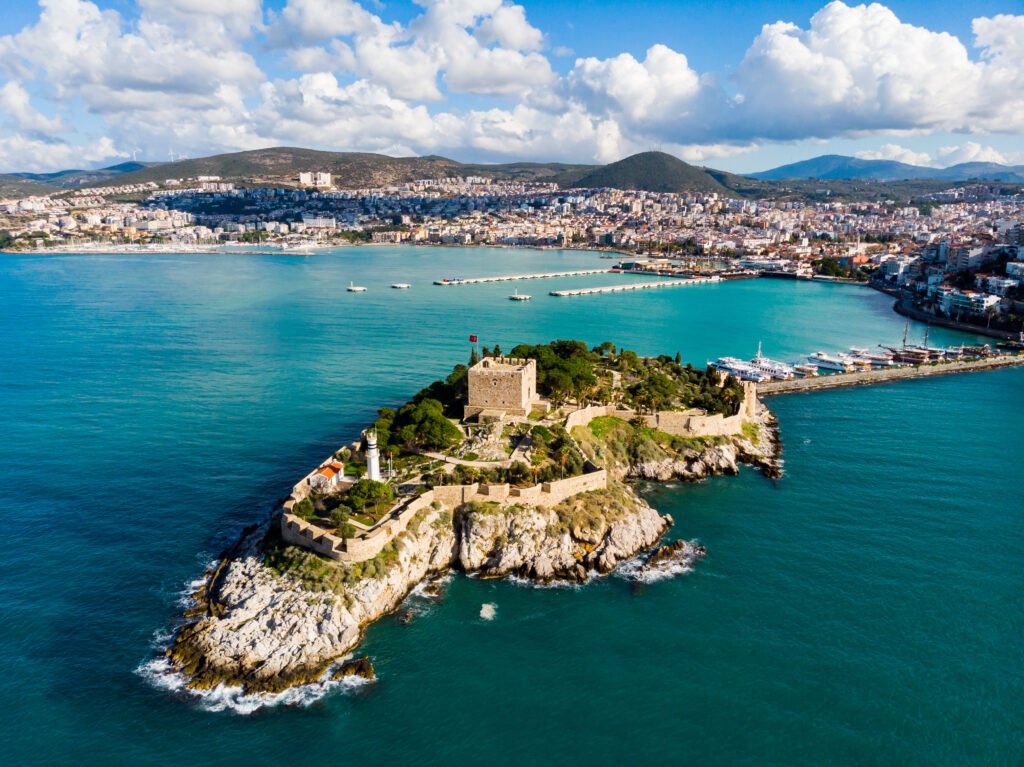
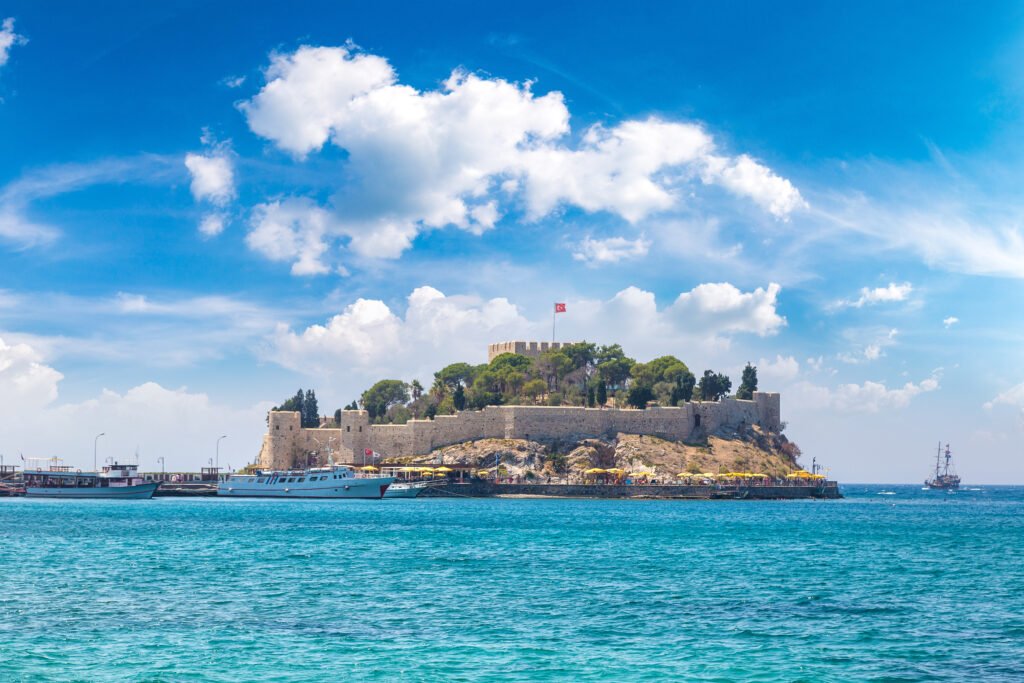
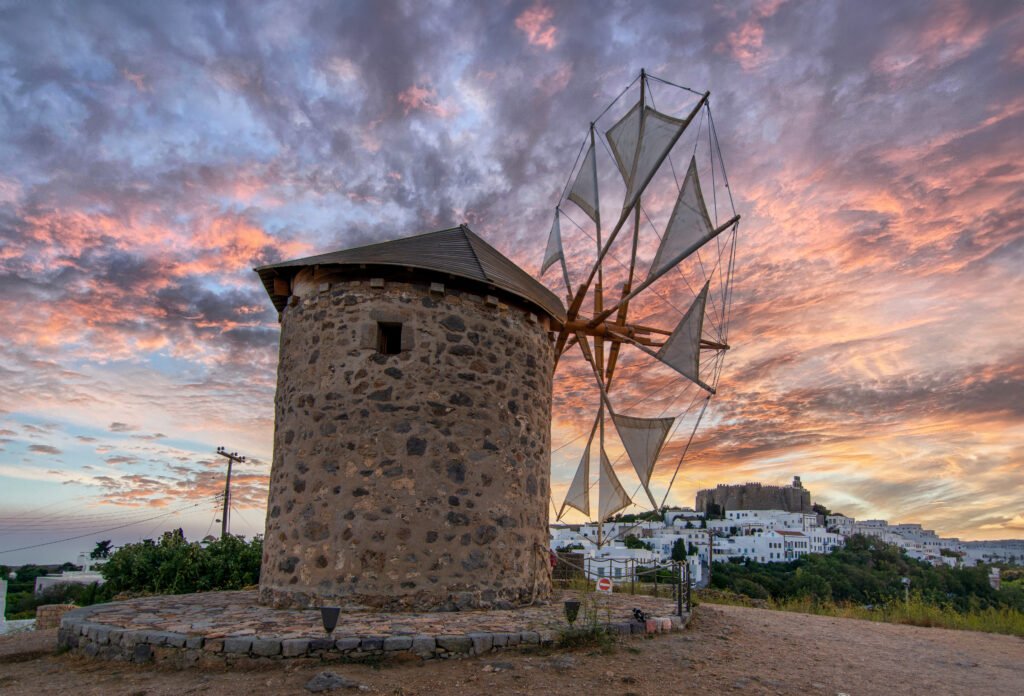
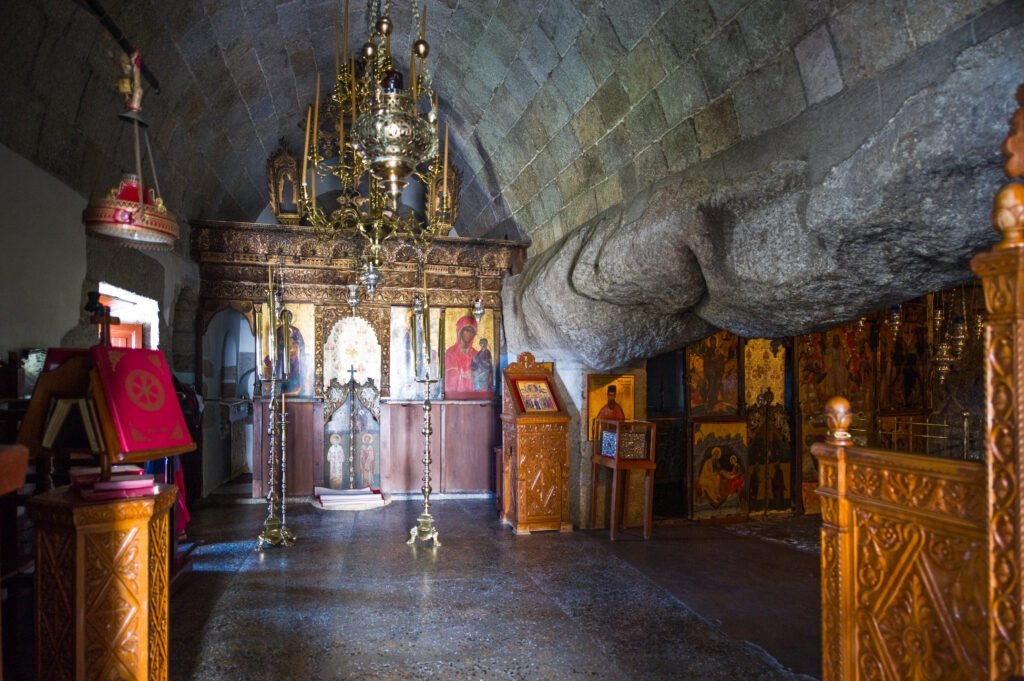
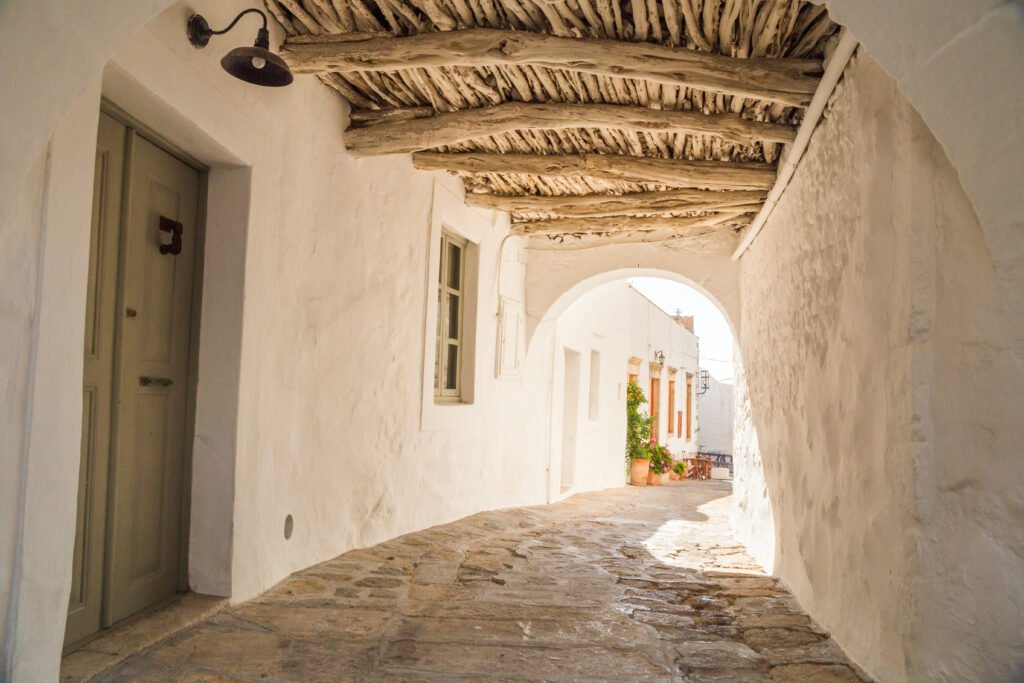
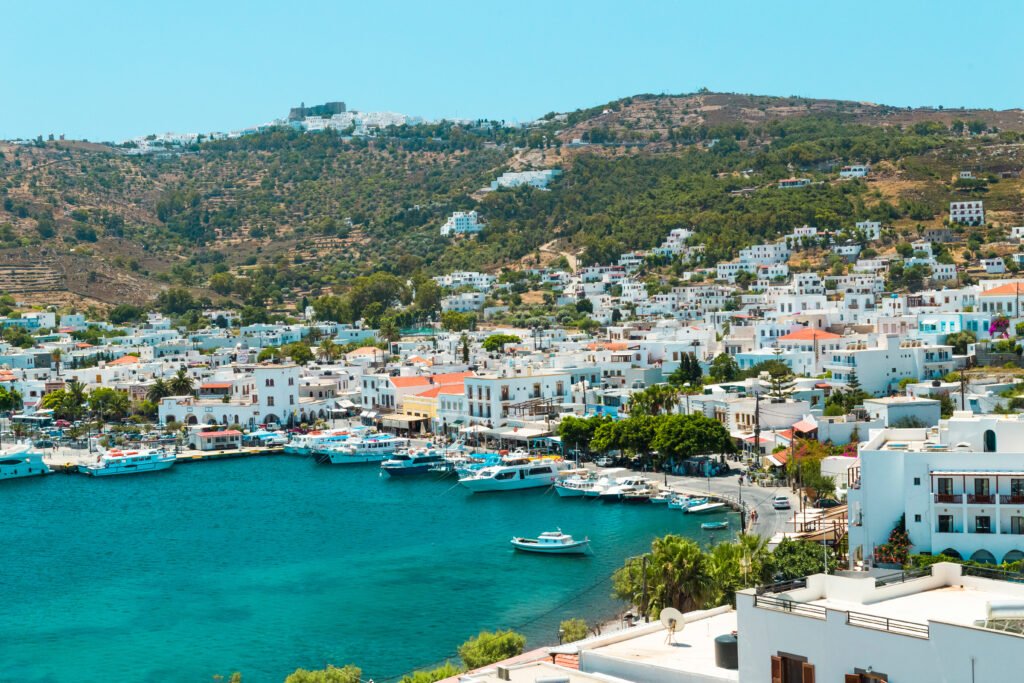
Early morning transfer from the hotel to Kusadasi port for the scheduled ferry departure to Patmos. The crossing over the Aegean Sea connects the western coast of Turquie with Patmos - one of the most significant pilgrimage islands in early Christianity.
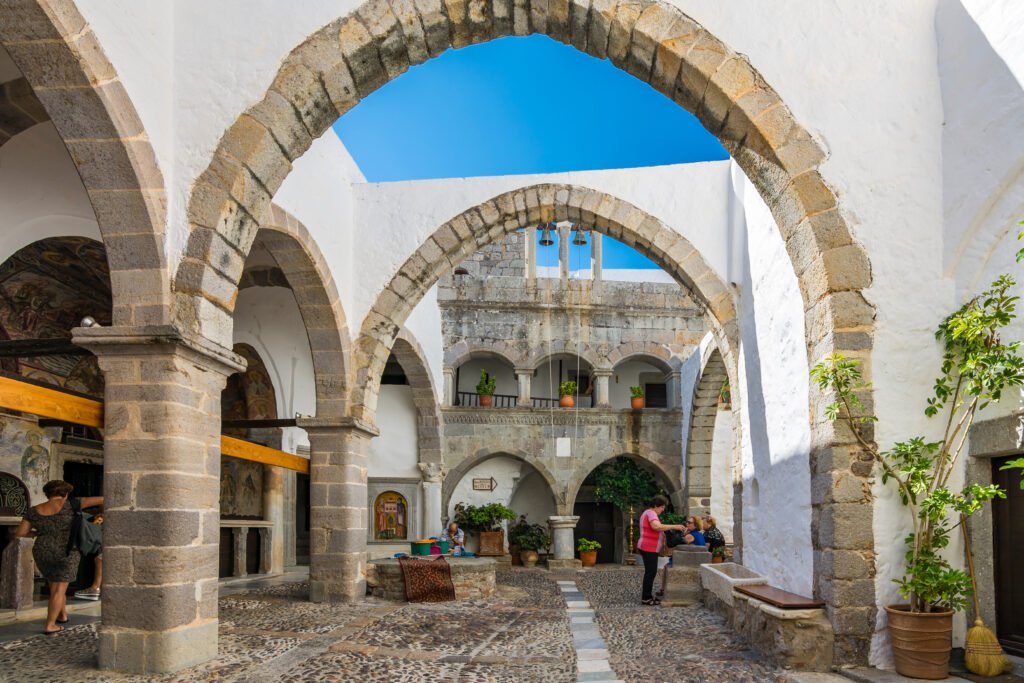
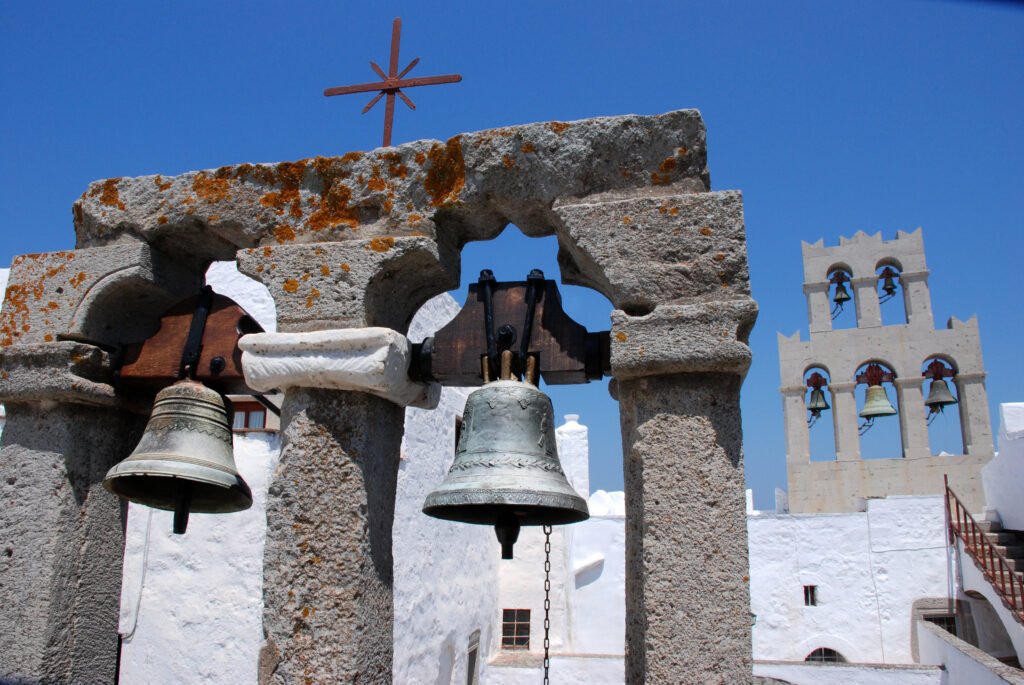
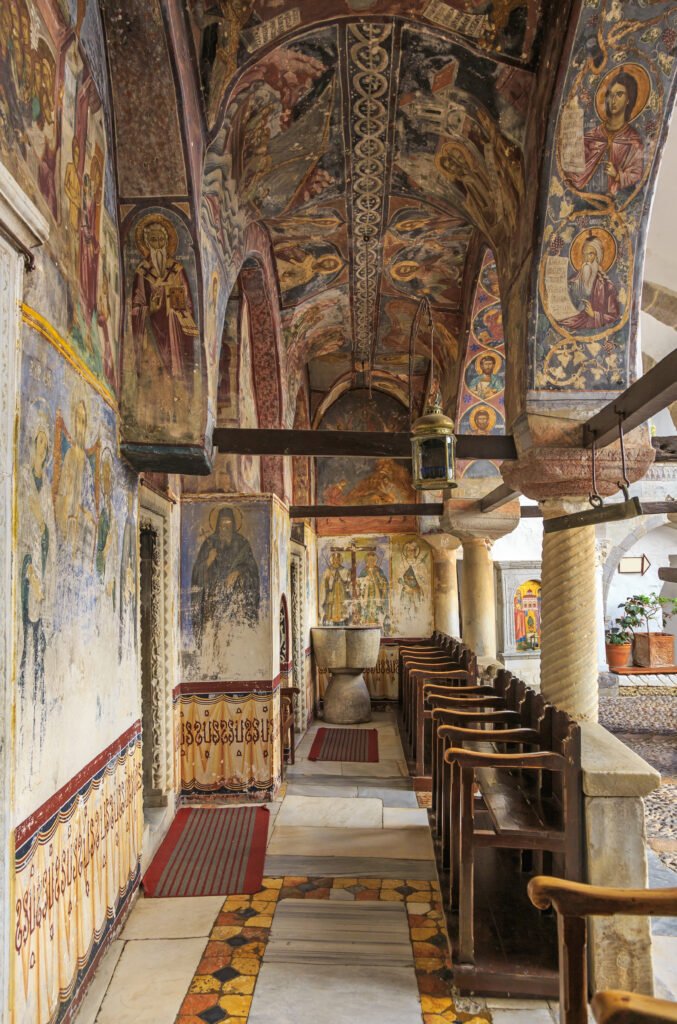
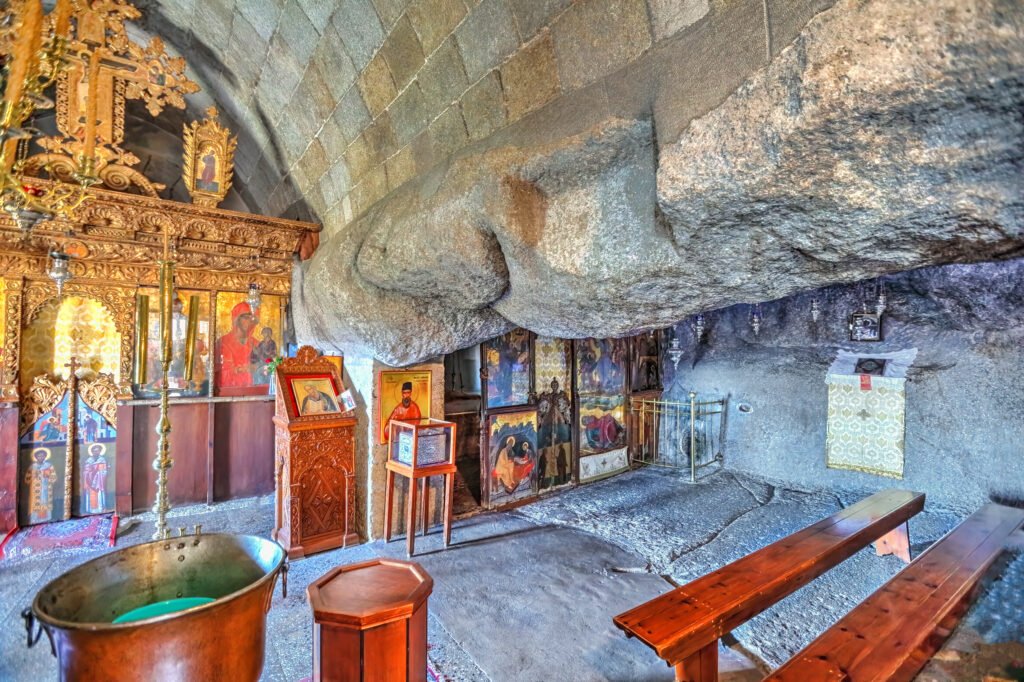
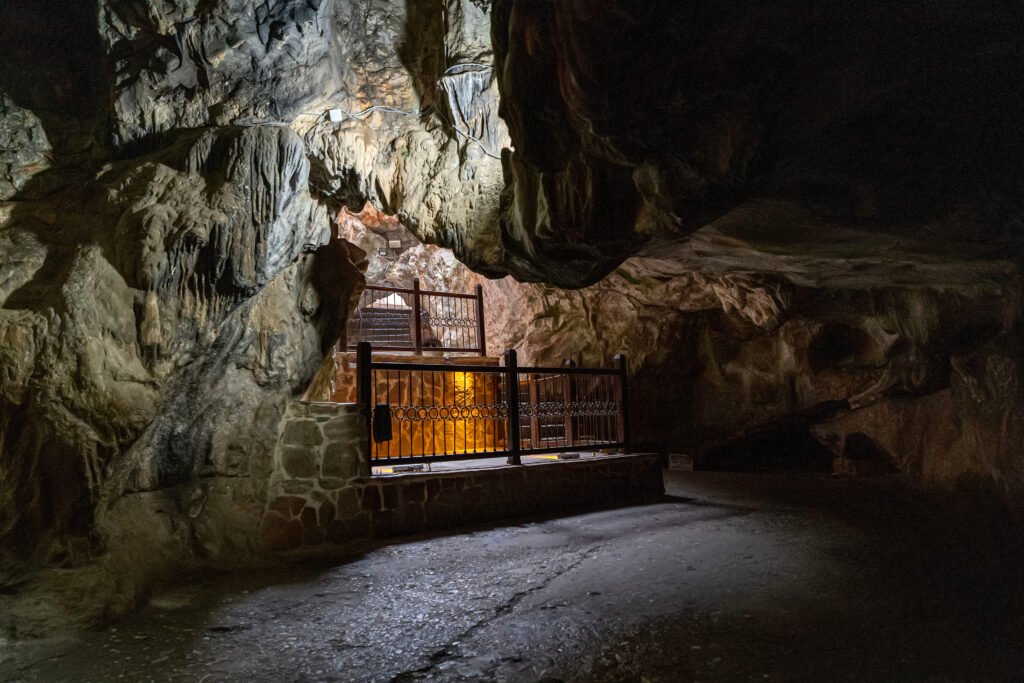
Upon arrival, proceed to the Grotto of the Revelation, where St. John is believed to have received the visions that form the Book of Revelation. The cave remains a place of deep spiritual importance and quiet reflection. Continue to the Monastery of St. John the Theologian, a fortified complex that dominates the island skyline and preserves a long-standing monastic tradition, recognized as a UNESCO World Heritage Site.
Lunch:
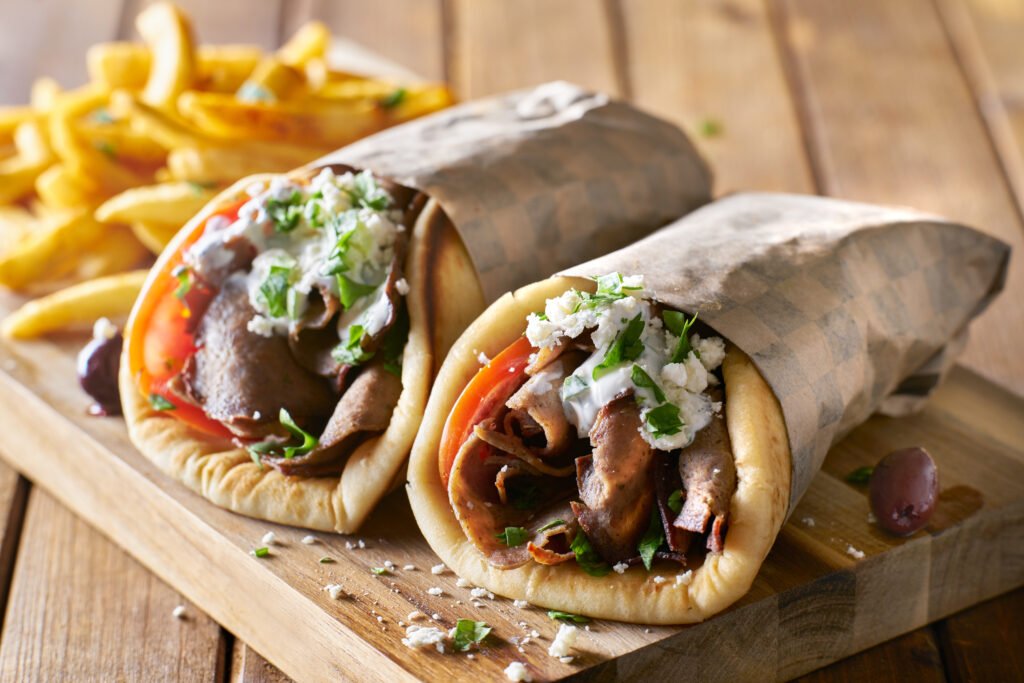
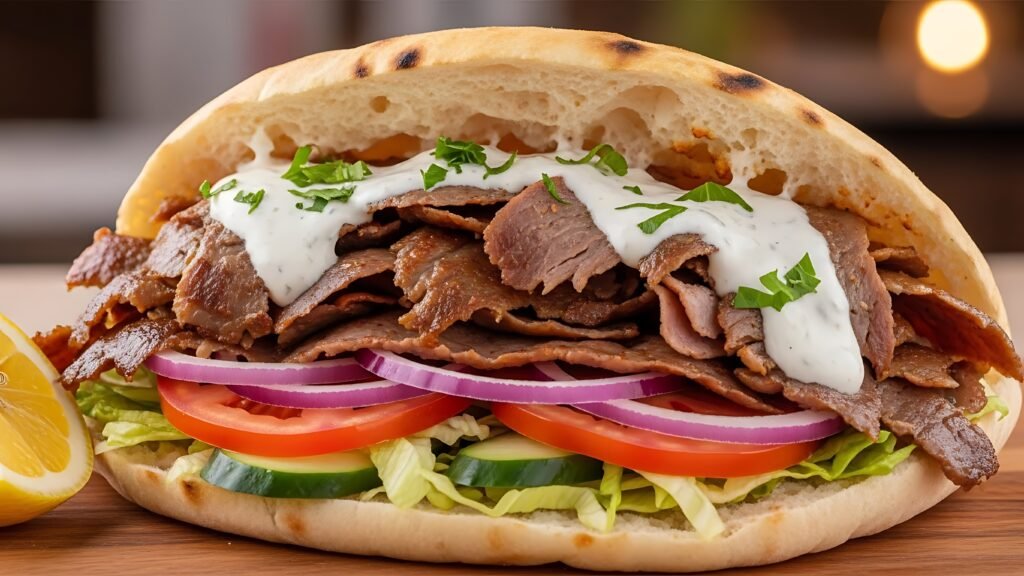
Pita Gyro – Soft flatbread filled with grilled chicken or pork, served with fresh vegetables and tzatziki, reflecting the simple island-style cuisine of Patmos.
Tzatziki – Yogurt with cucumber and garlic, served with warm bread.
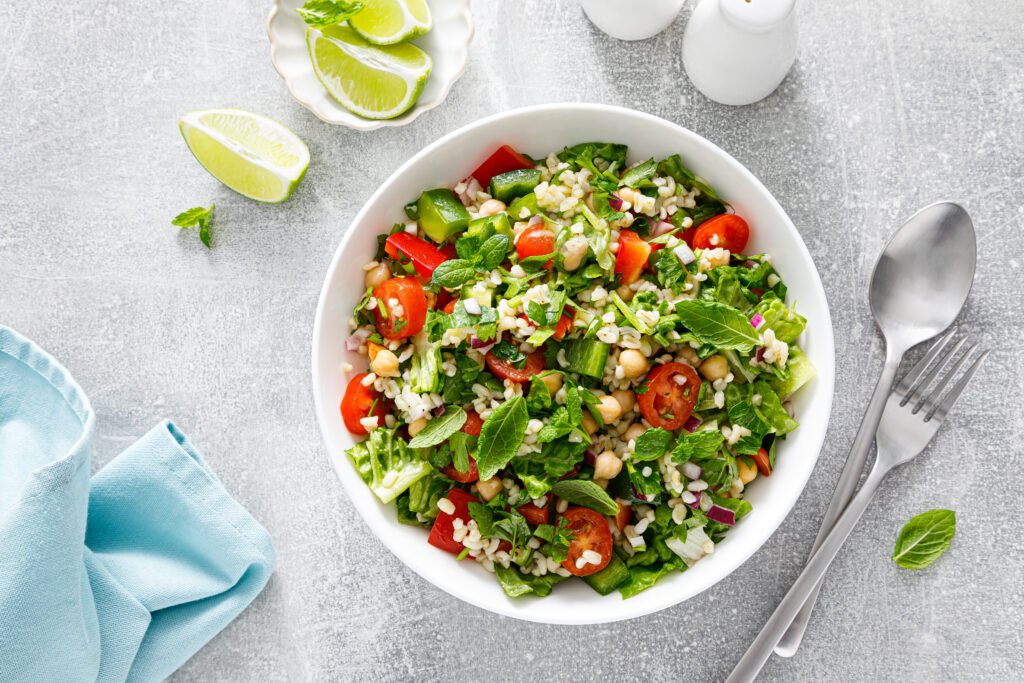
Greek Salad – Tomatoes, cucumber, olives, and feta cheese dressed with olive oil.
Transfer to the port for the return ferry to Kusadasi, arriving in the evening, followed by transfer back to the hotel.
Dinner:
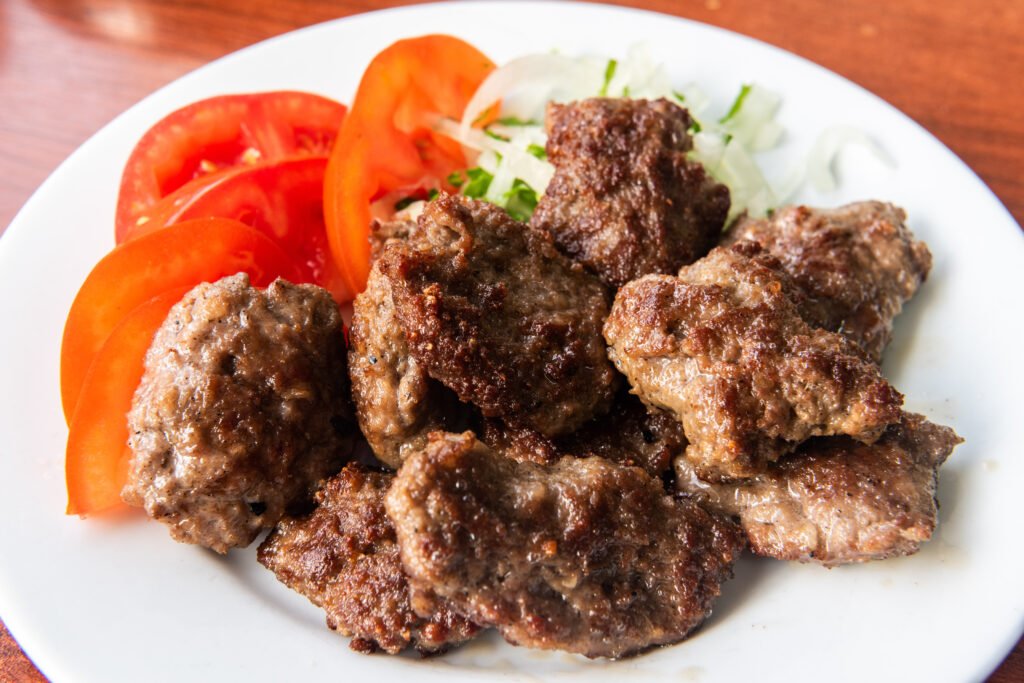
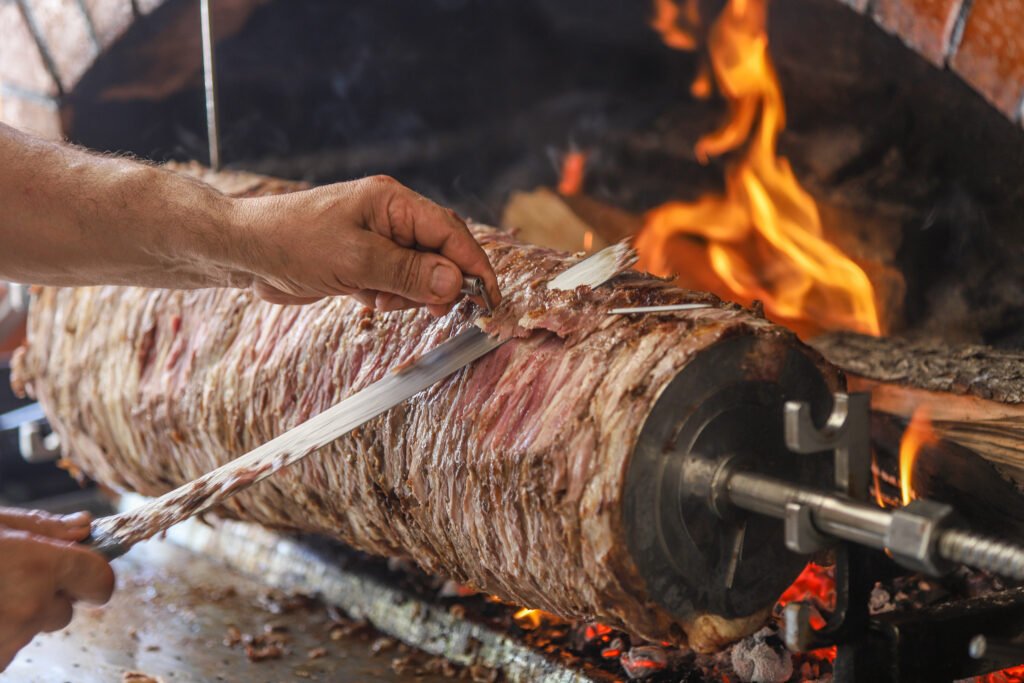
Karma Izgara – Mixed grill of lamb, chicken, and köfte prepared over charcoal, commonly served as a shared meal.
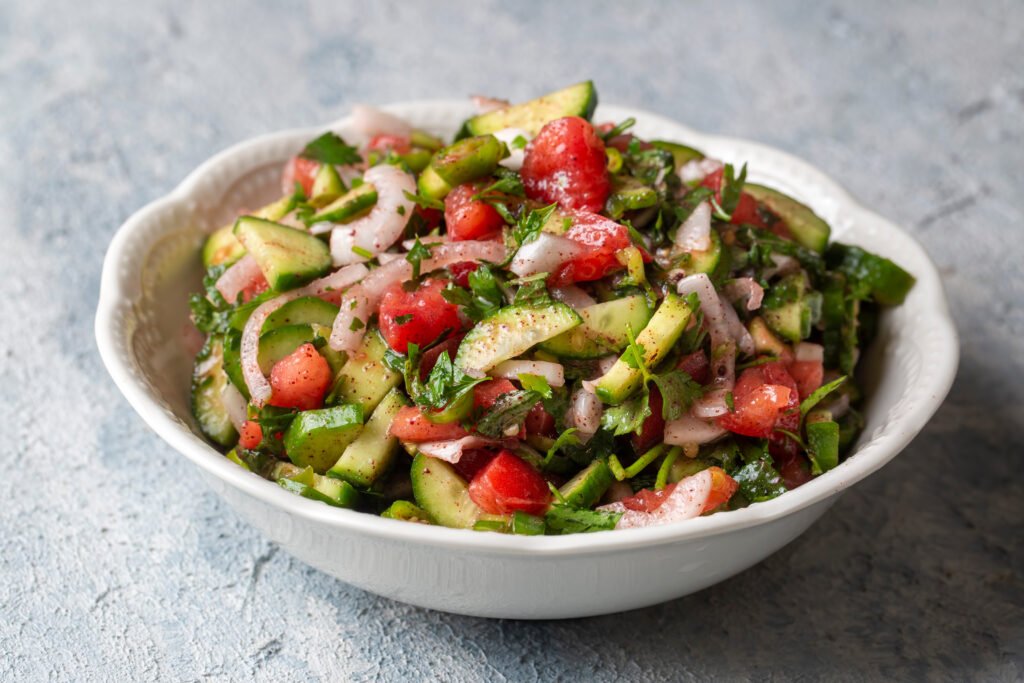
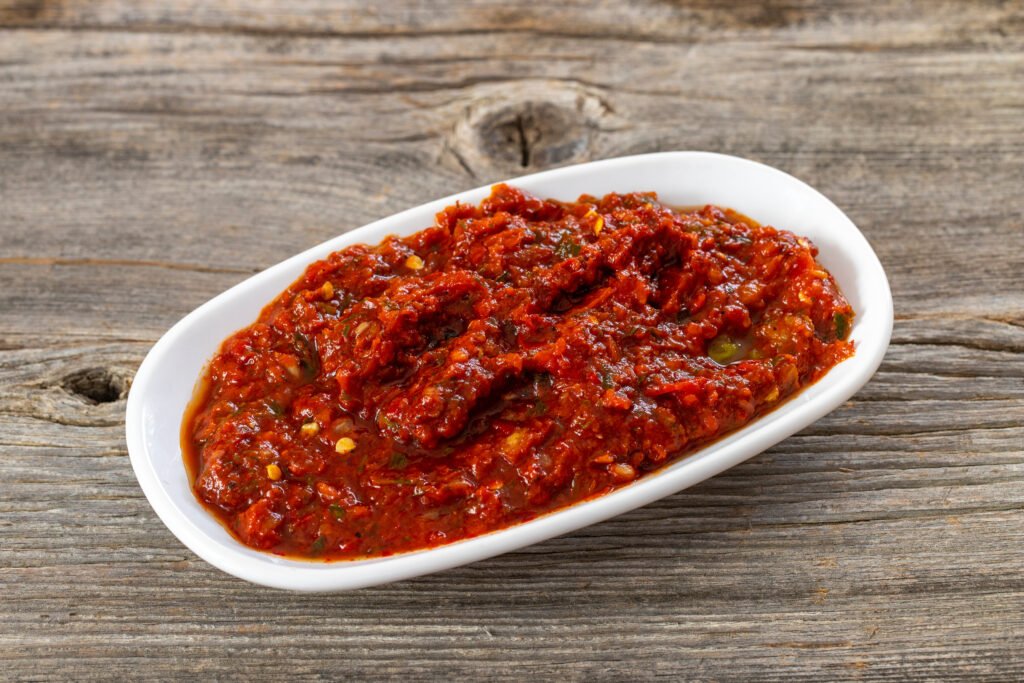
Ezme – Finely chopped mixture of tomatoes, peppers, herbs, and spices, served as a meze.
Transfer: Kusadasi – Ephesus | 20 km | approx. 30 mins
Transfer: Ephesus – Izmir | 80 km | approx. 1 hr 15 mins
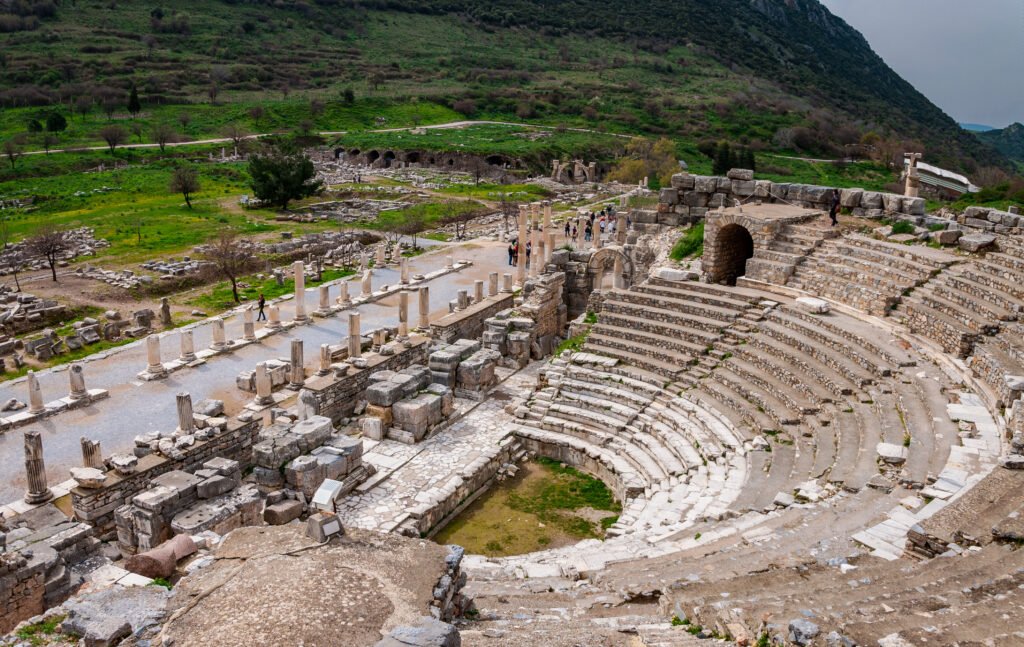
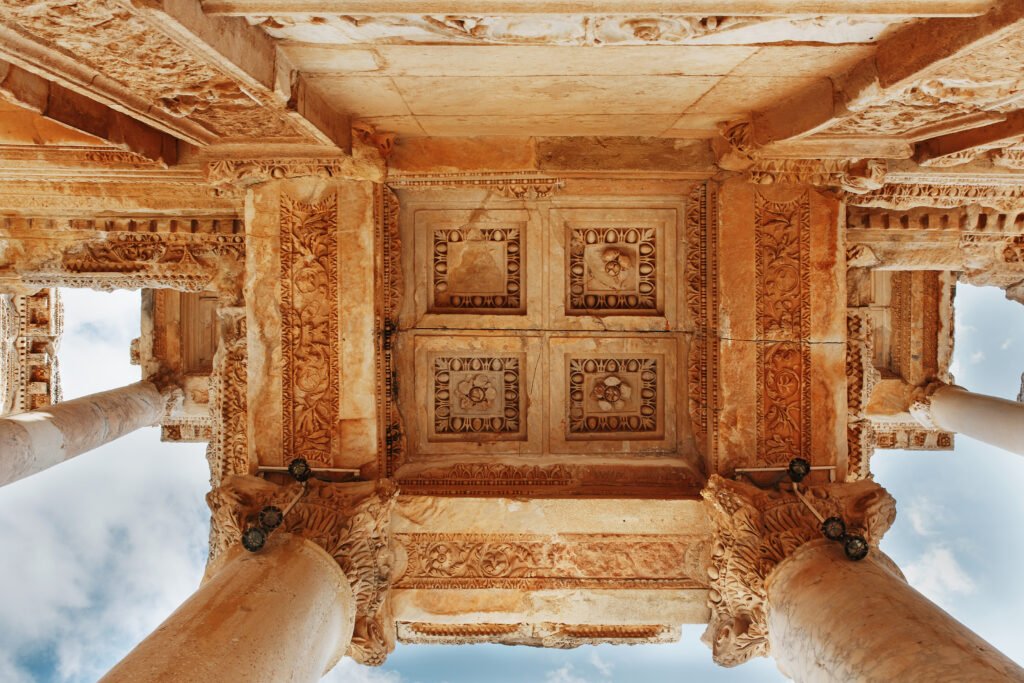
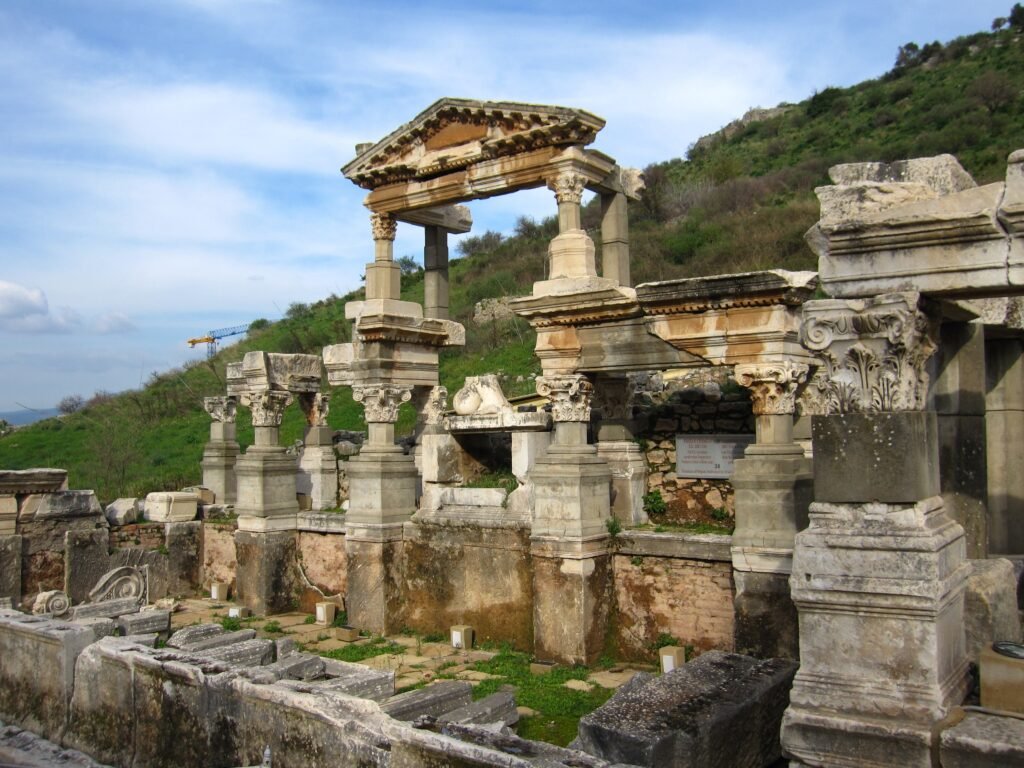
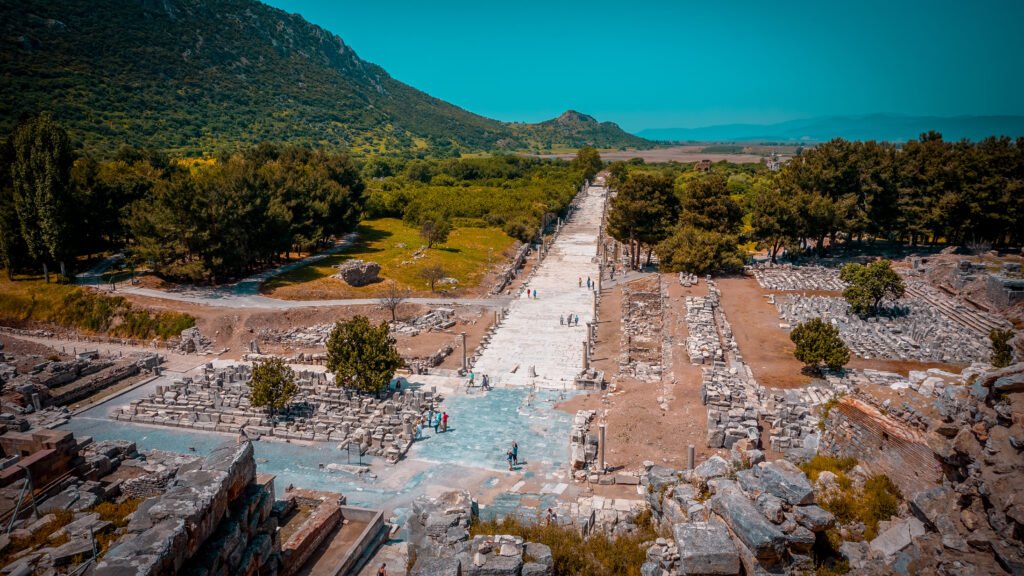
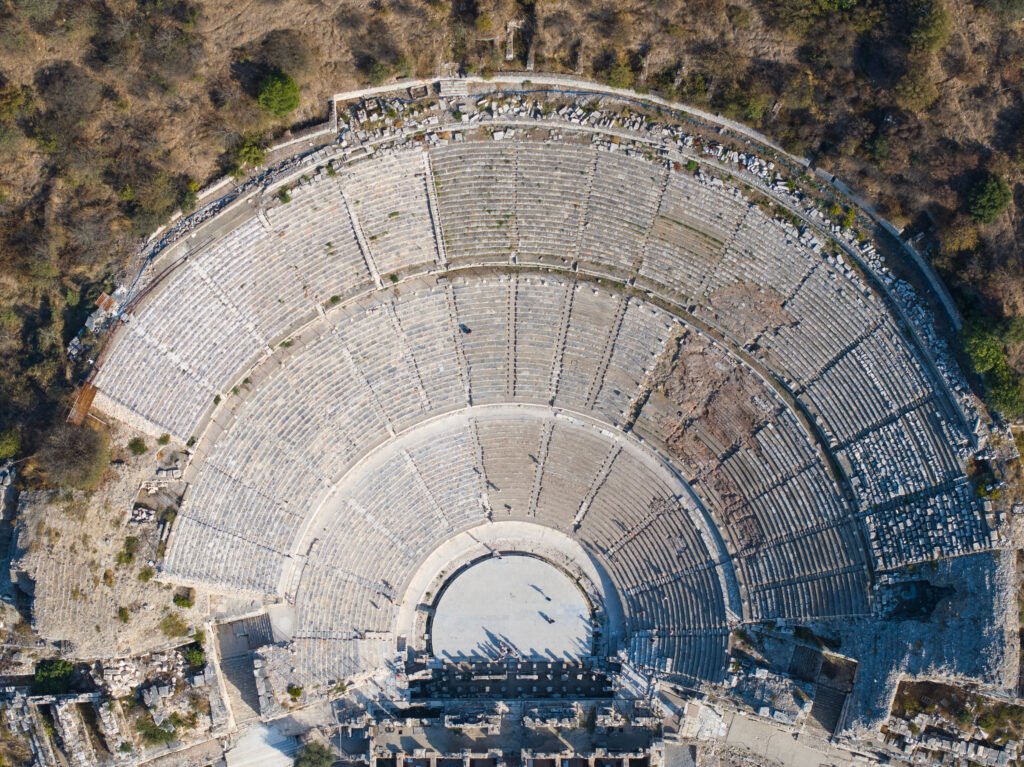
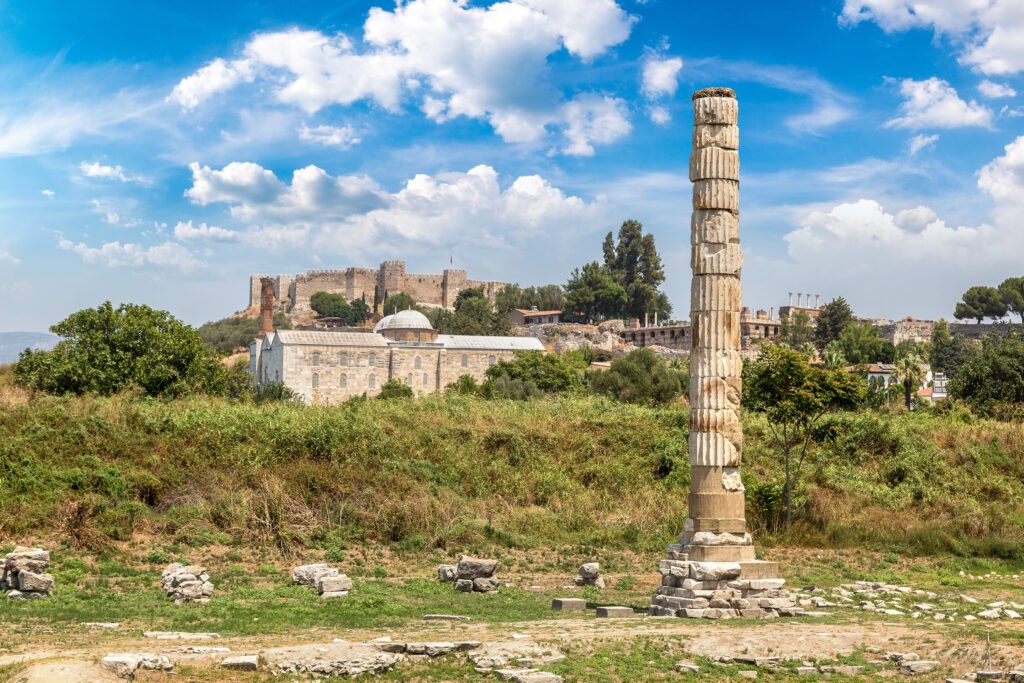
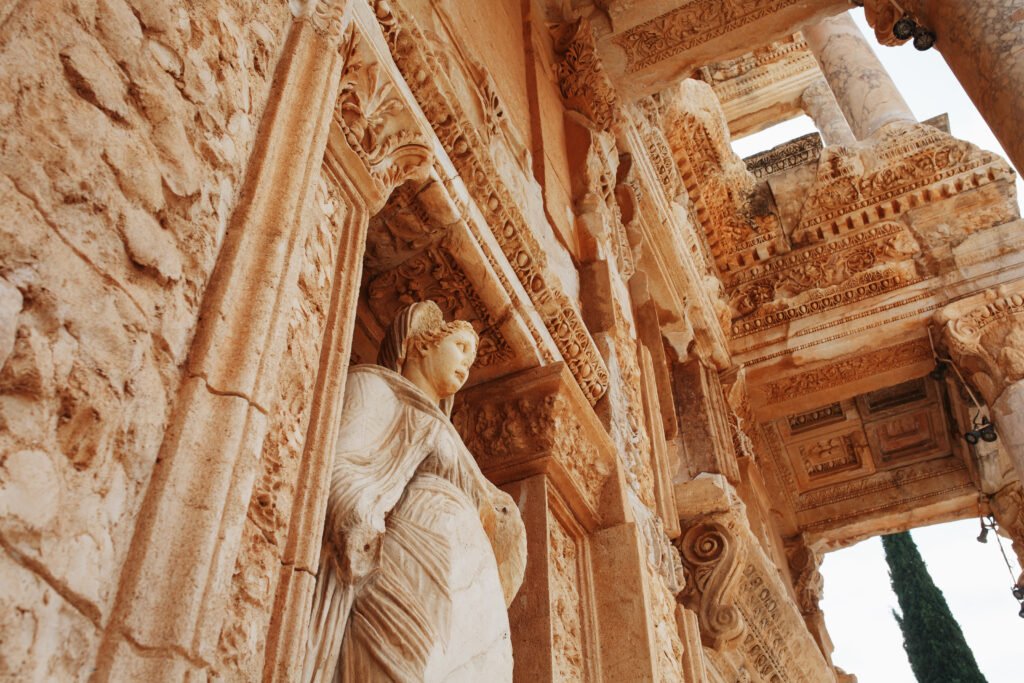
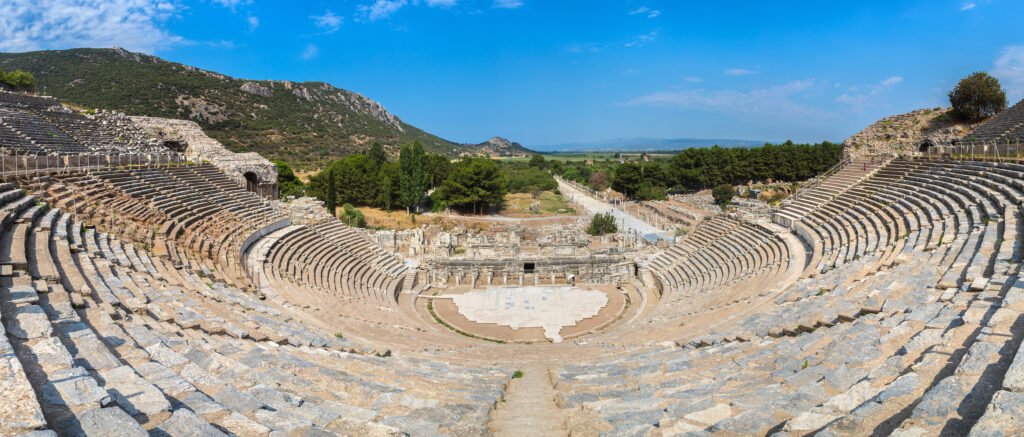
Depart Kusadasi for Ephesus, one of the most significant centers of early Christianity and among the best-preserved classical cities in the Mediterranean world. The walk through its marble streets reveals a city that once served as a major religious and commercial hub. Key monuments include the Library of Celsus, an architectural symbol of learning, the Temple of Hadrian, the Baths of Scholastica, and the Great Theatre where early Christian preaching took place. The site reflects both Roman grandeur and the formative years of the Christian faith.
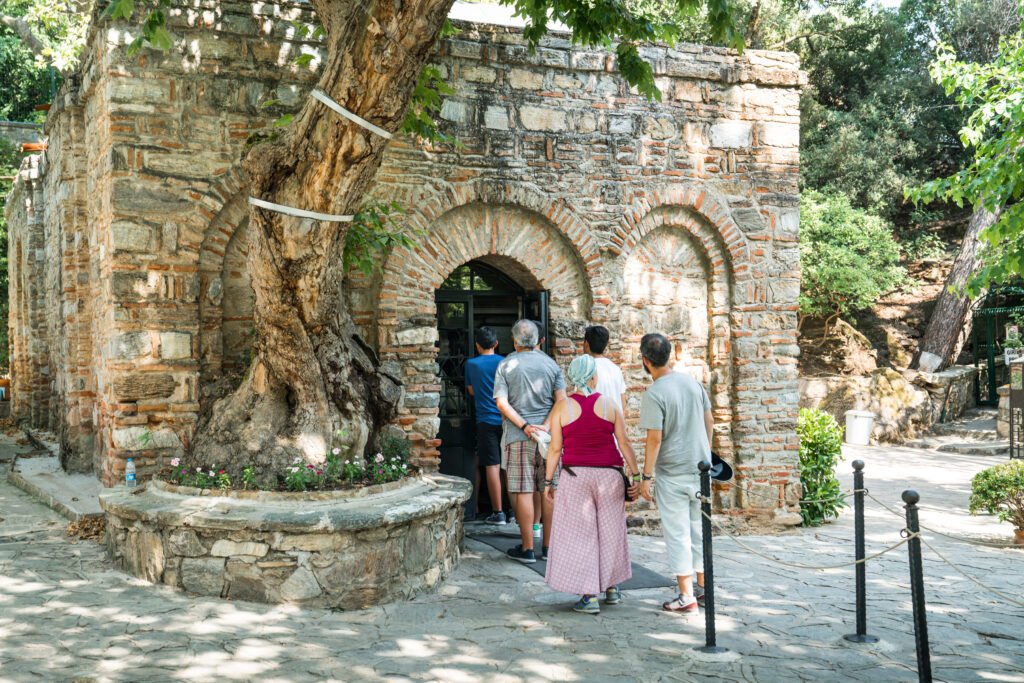
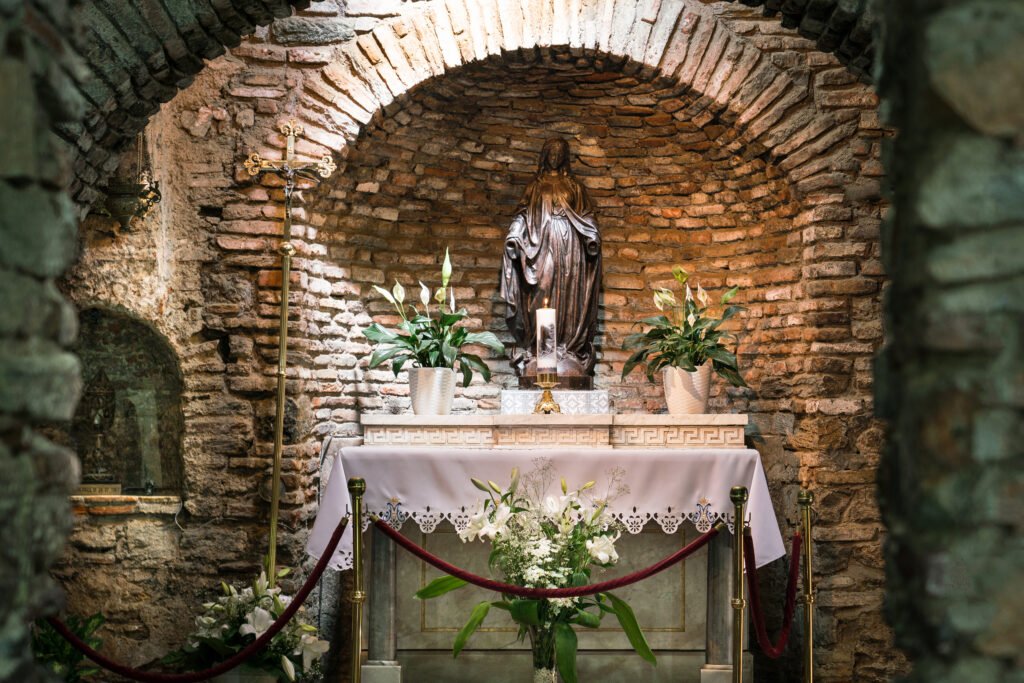
Continue to the Basilica of St. John, built over the believed burial site of the Apostle. The structure stands as a reminder of the spread of Christianity in this region and its enduring legacy.
Lunch:
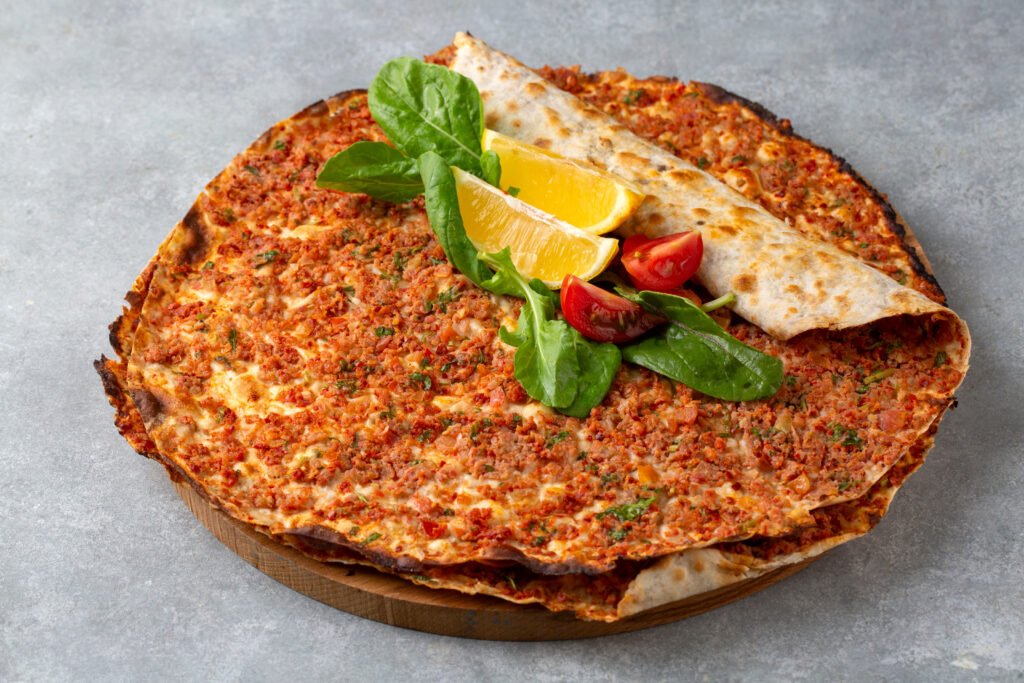
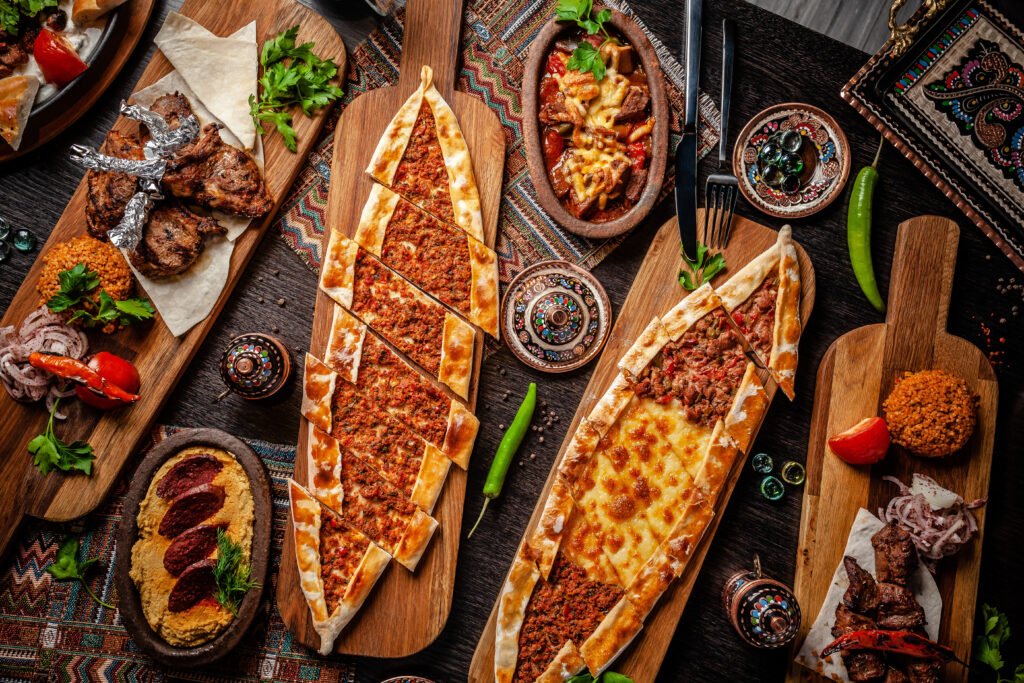
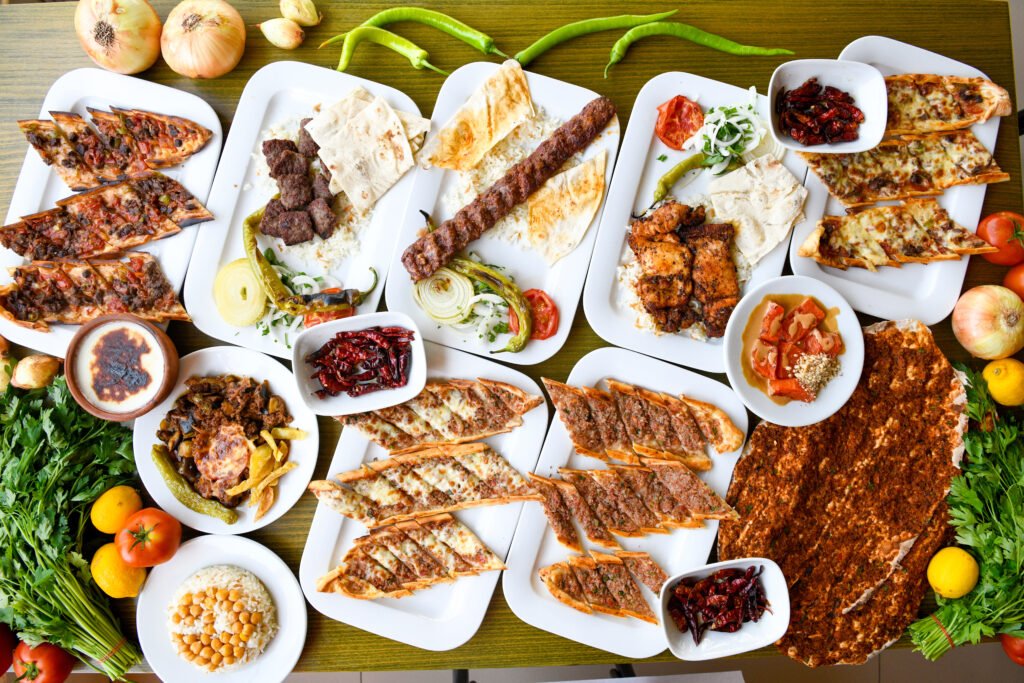
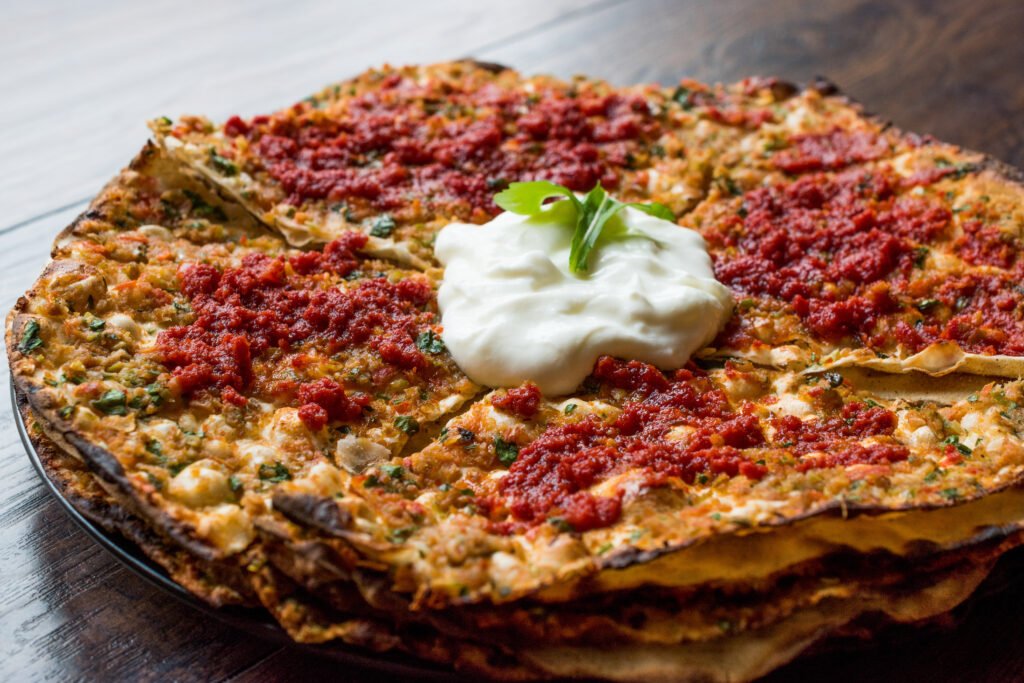
Lahmacun – Thin baked flatbread topped with minced meat, herbs, and spices, typically served with fresh greens and a squeeze of lemon.
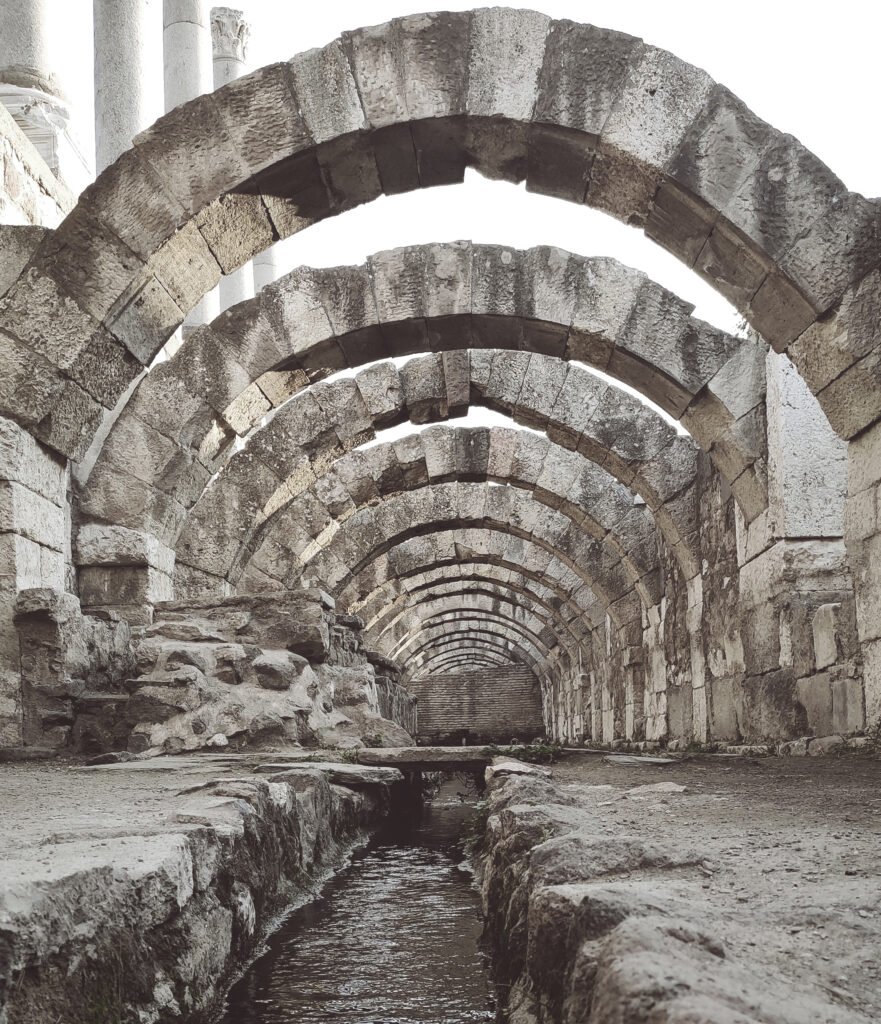
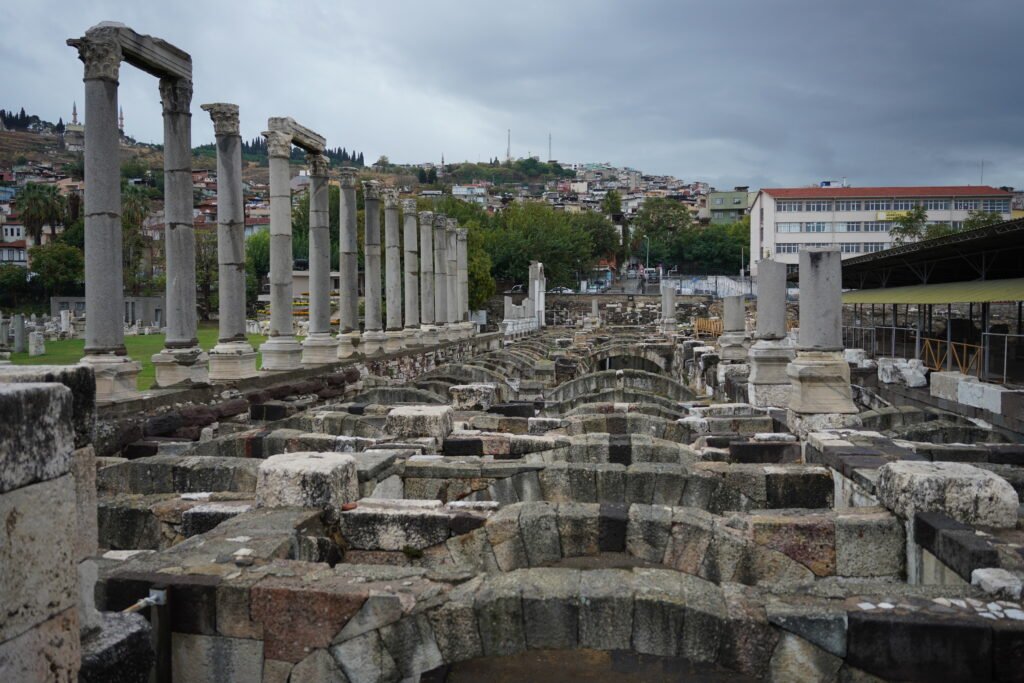
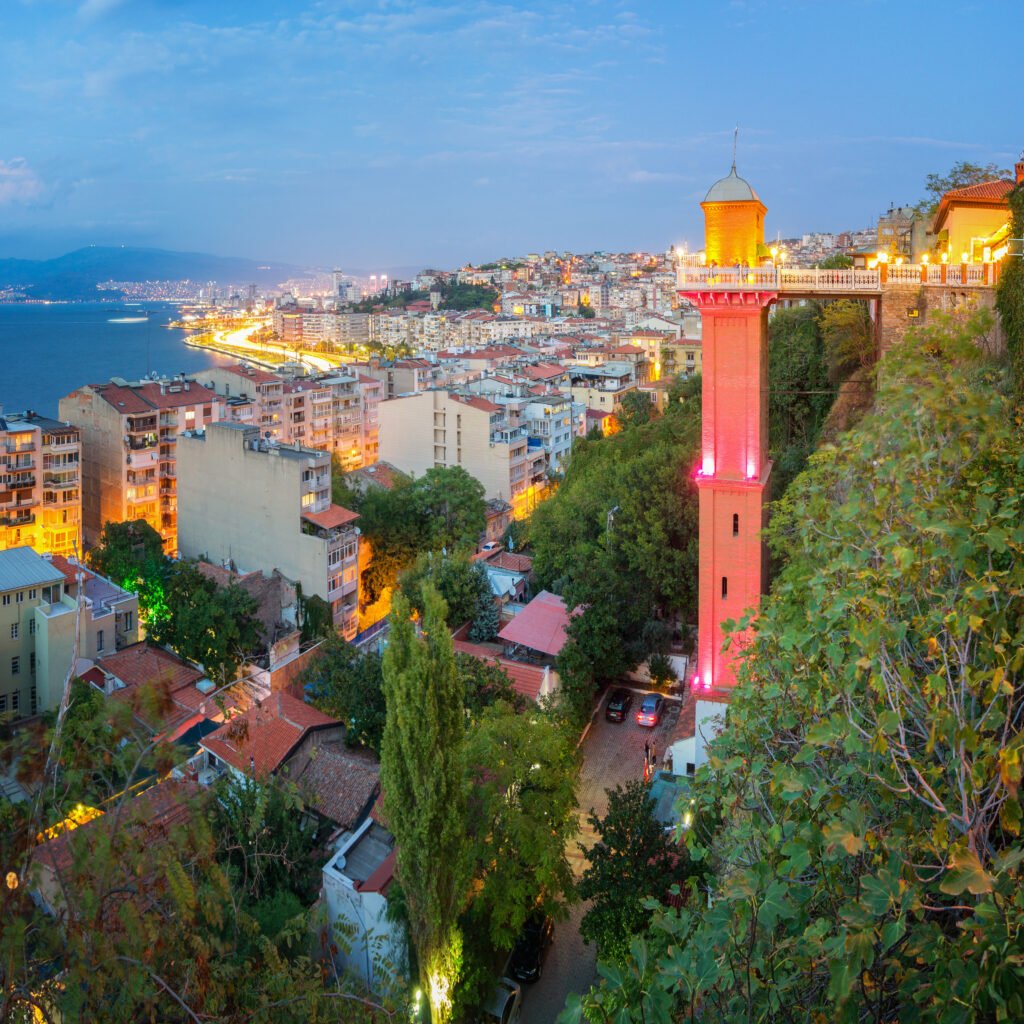
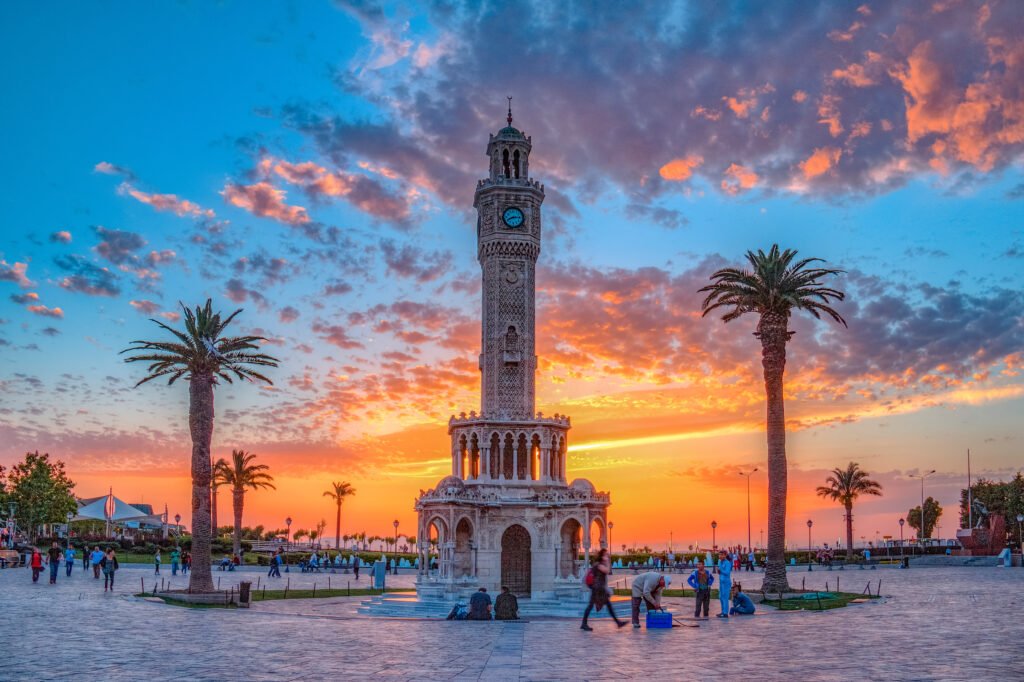
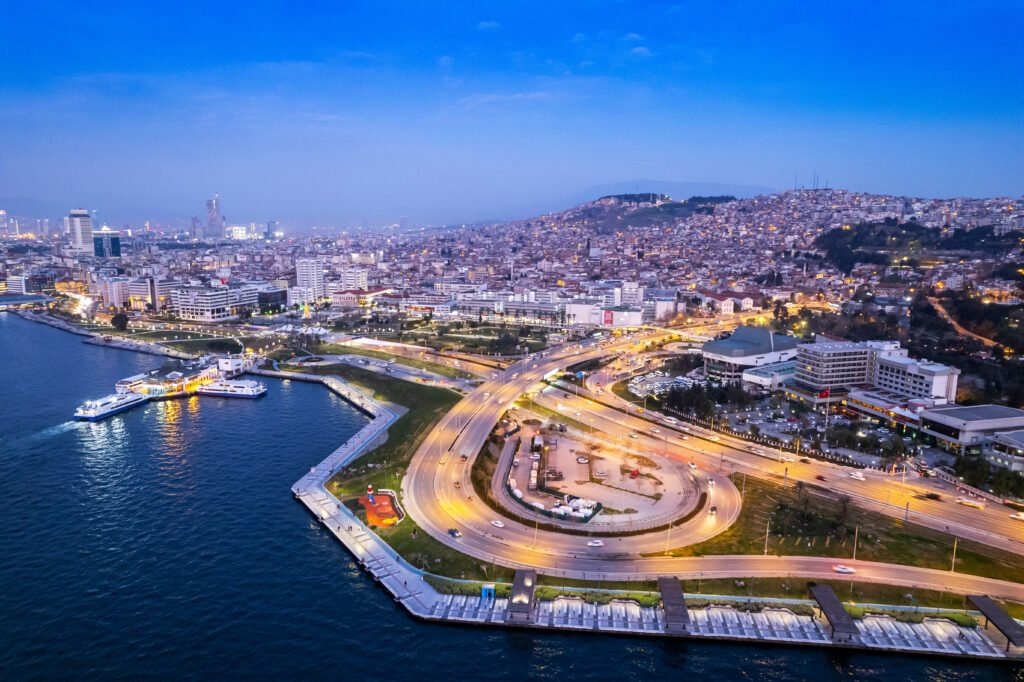
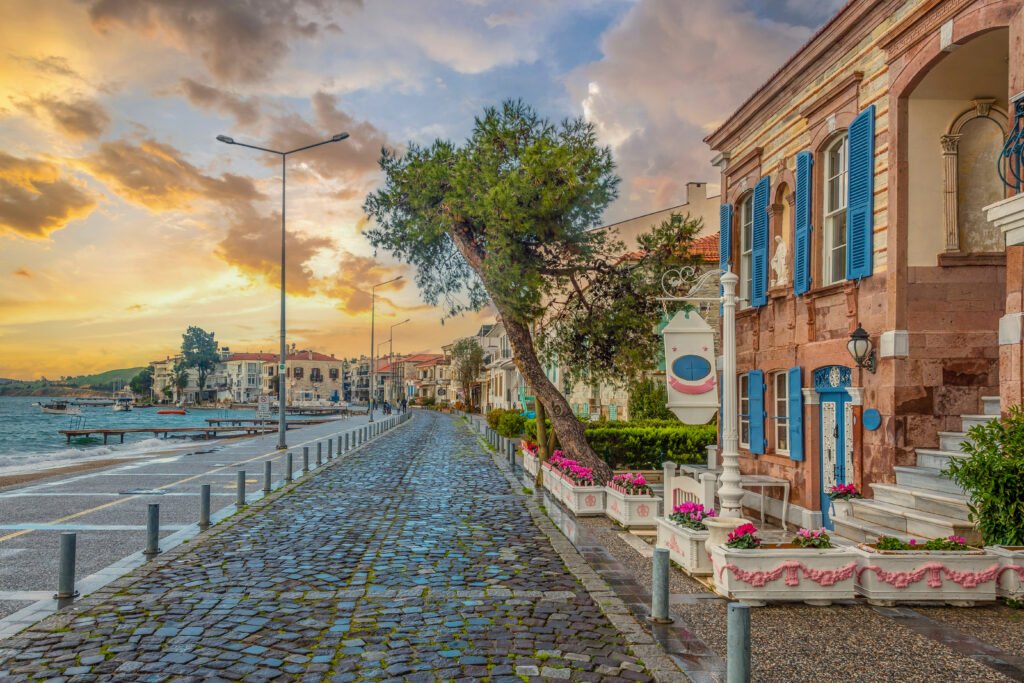
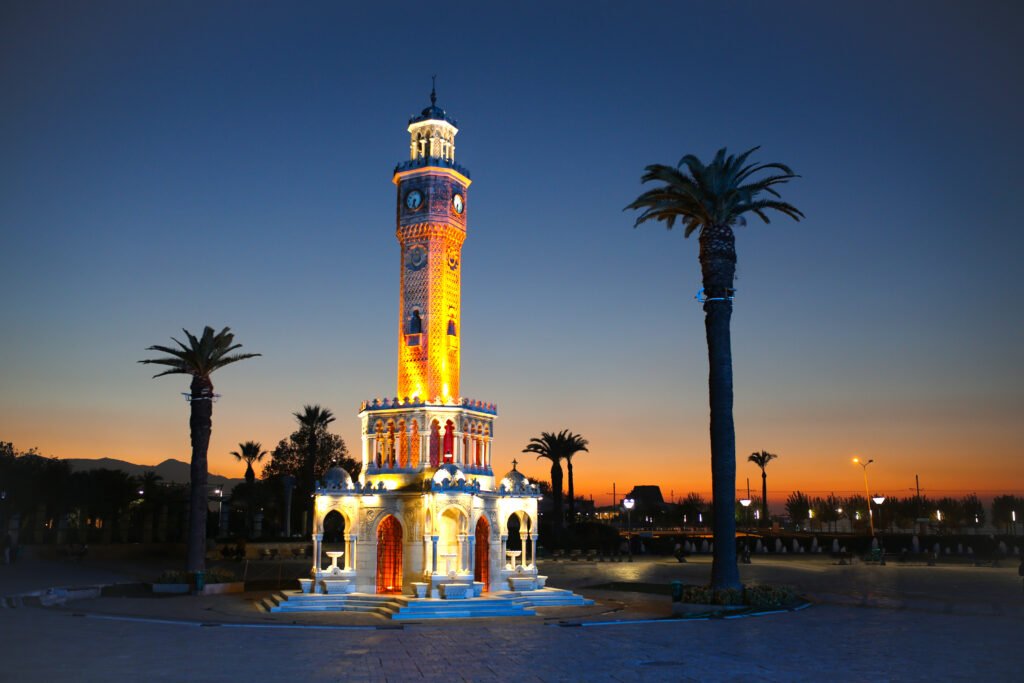
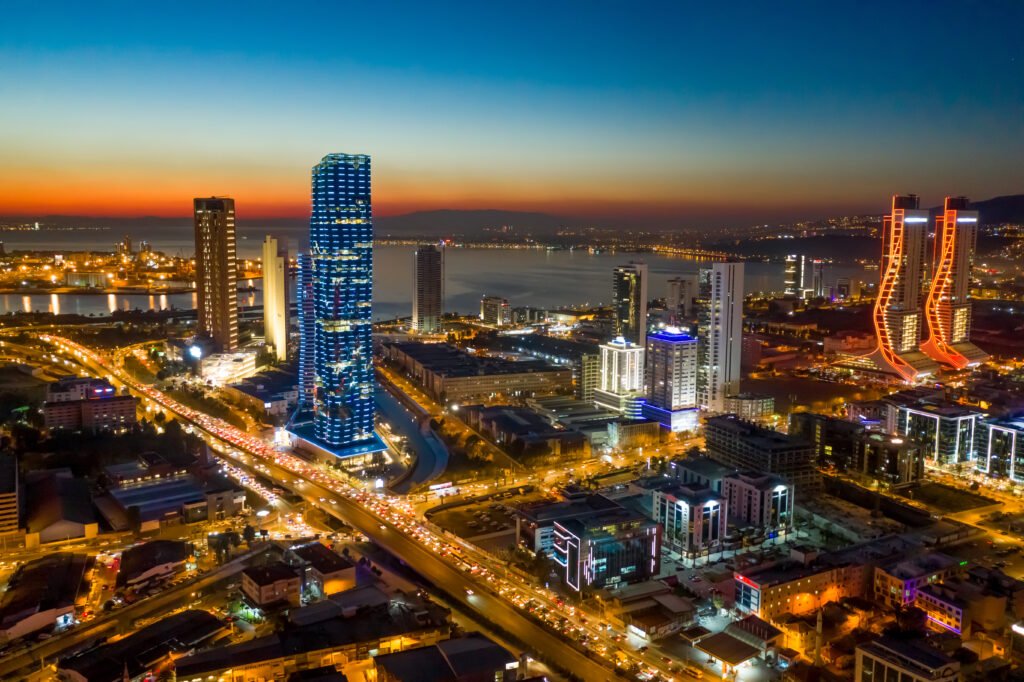
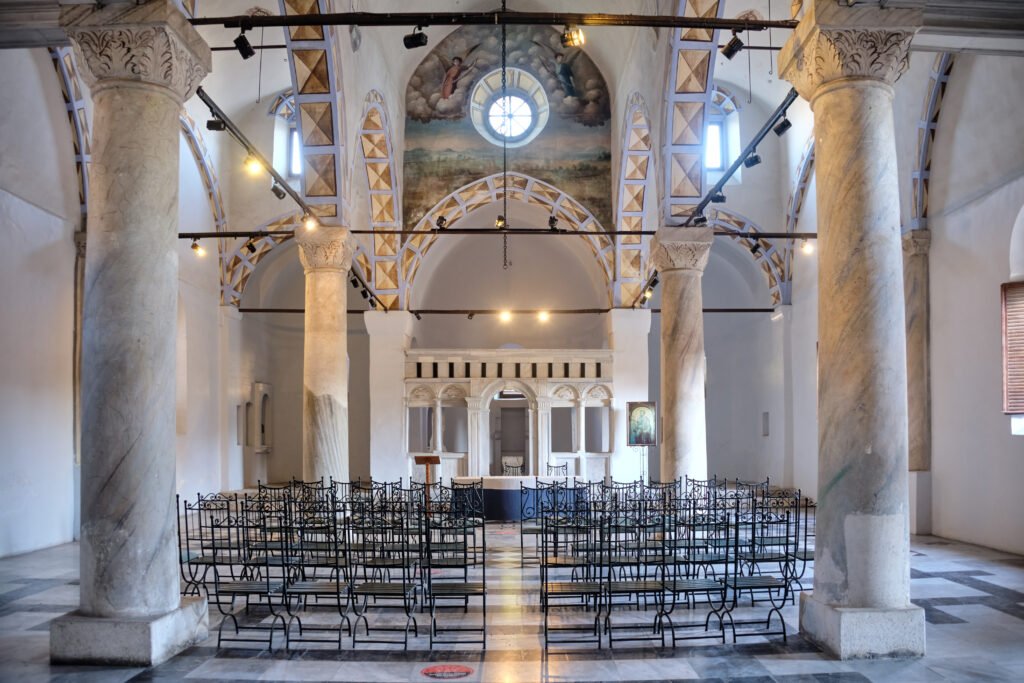
Proceed to Izmir, known in antiquity as Smyrna, one of the Seven Churches of Revelation. The city held an important position in early Christian history and was known for its steadfast faith during periods of persecution. Visit the Church of St. Polycarp, dedicated to the bishop of Smyrna who is regarded as one of the early Church Fathers.
Dinner:
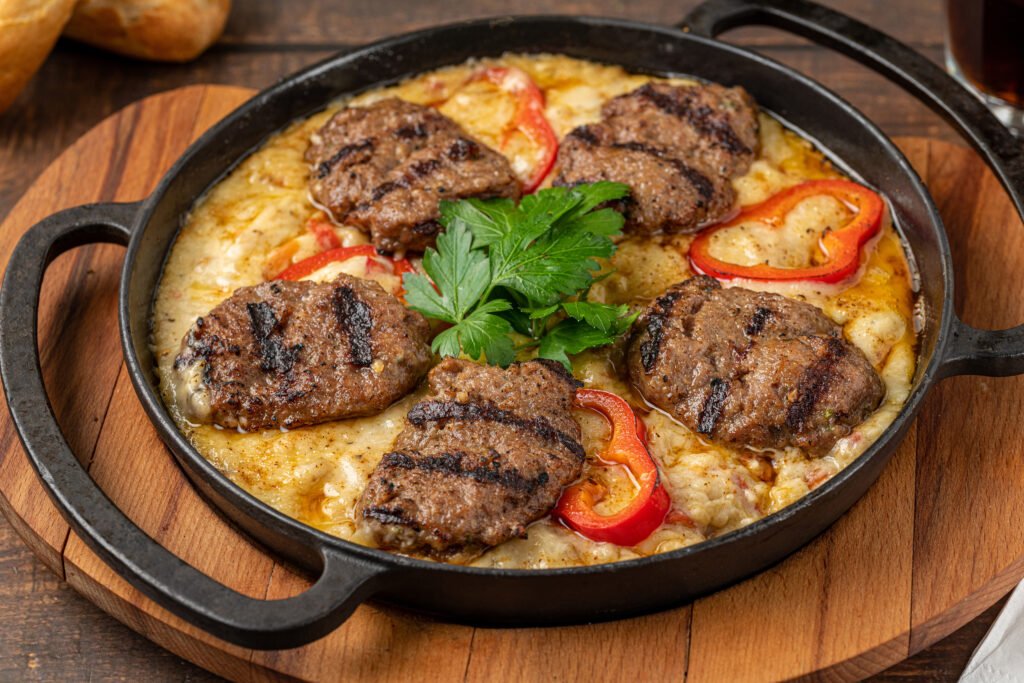
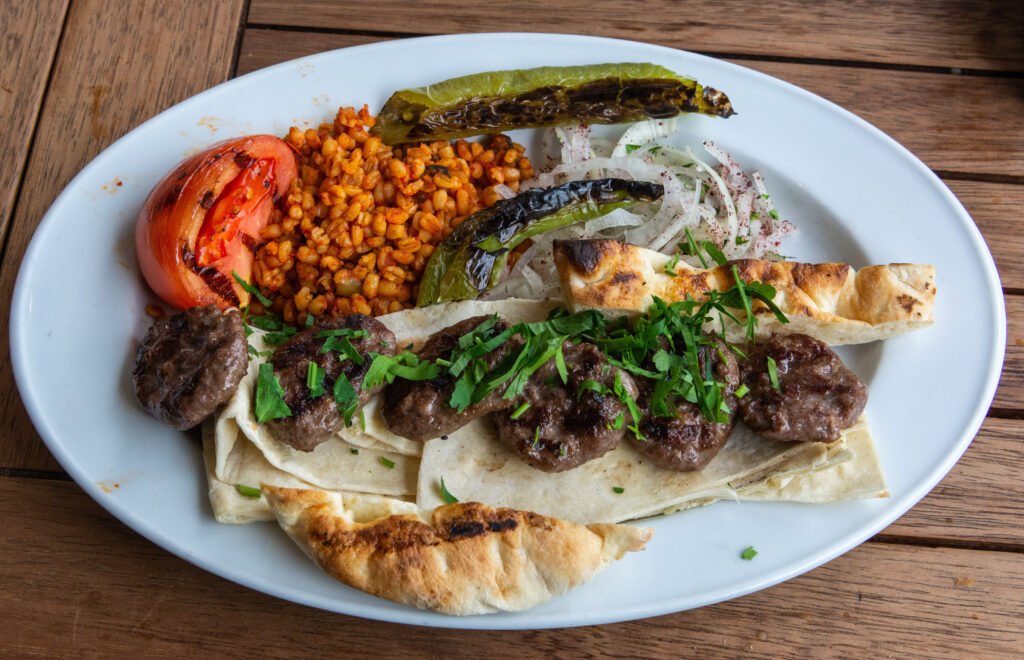
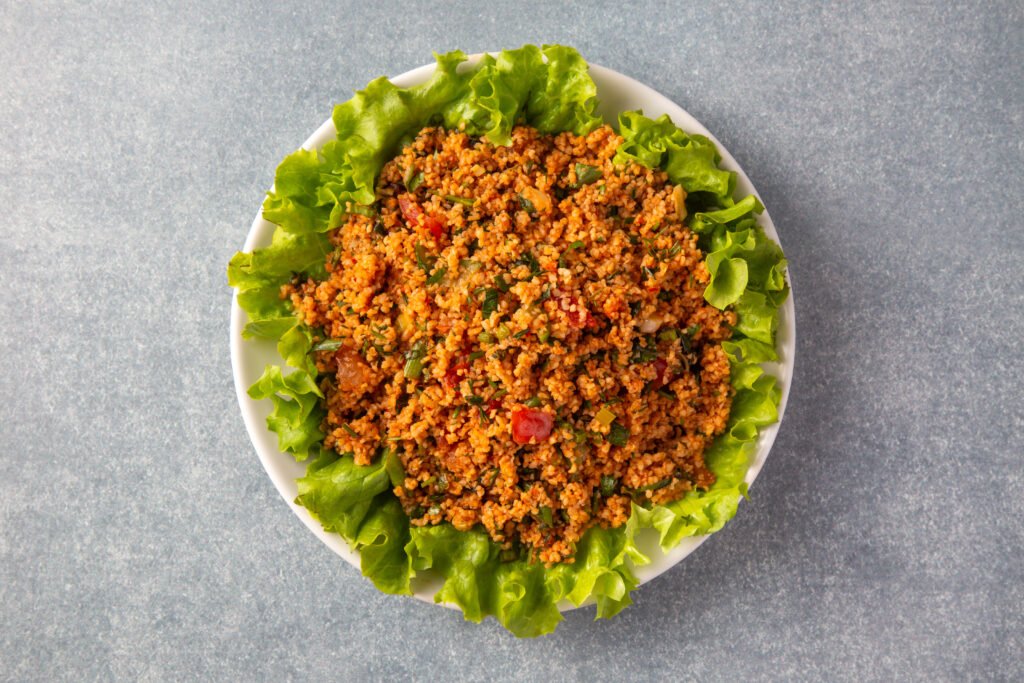
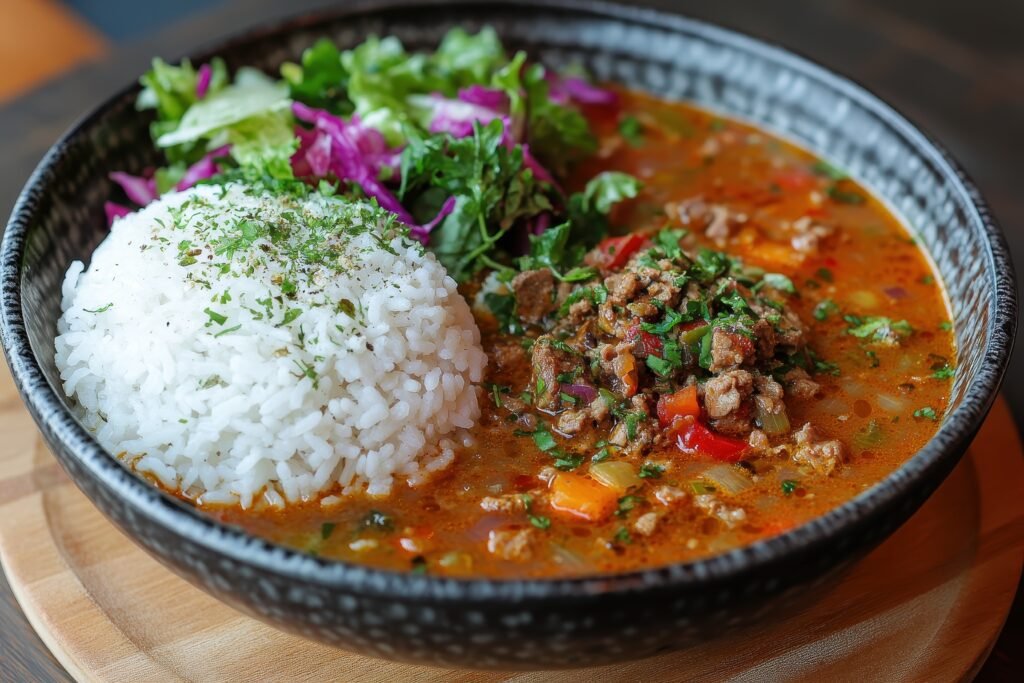
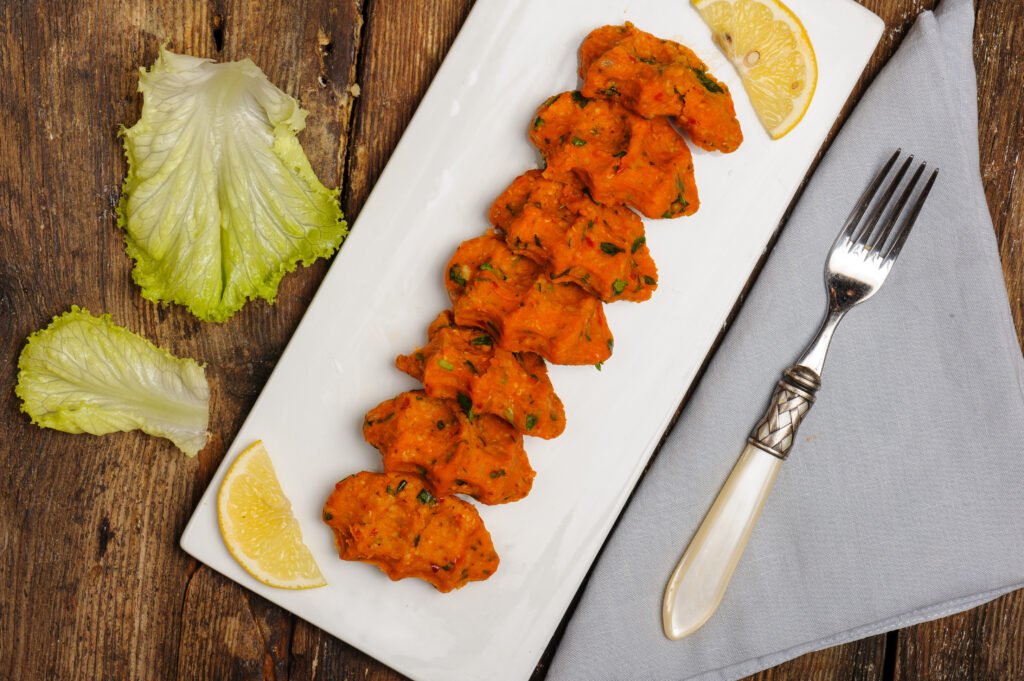
İzmir Köfte – Meatballs cooked with potatoes in a tomato-based sauce, a well-known regional dish.
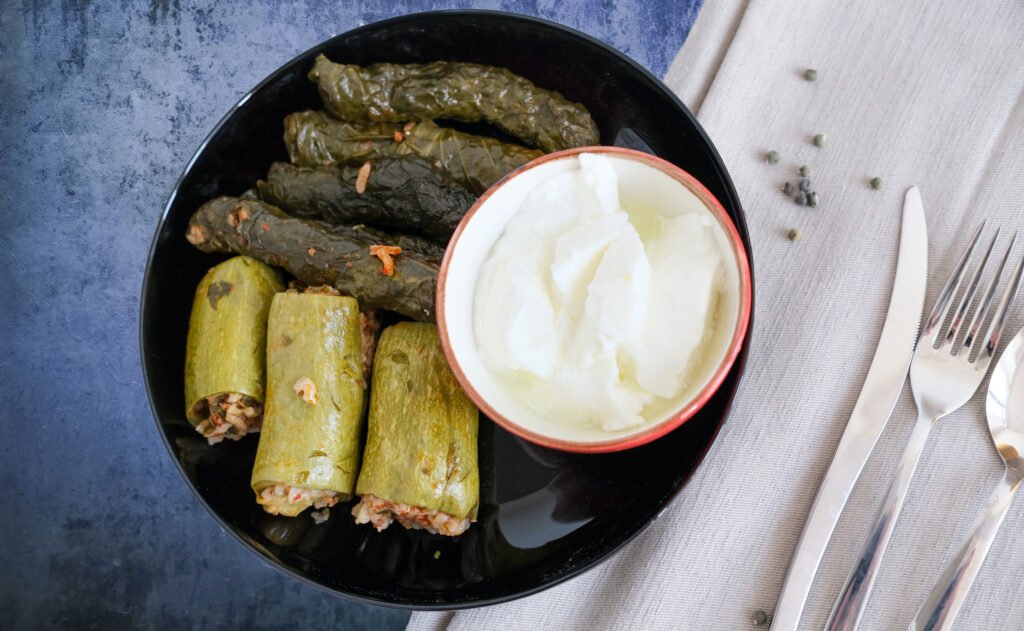
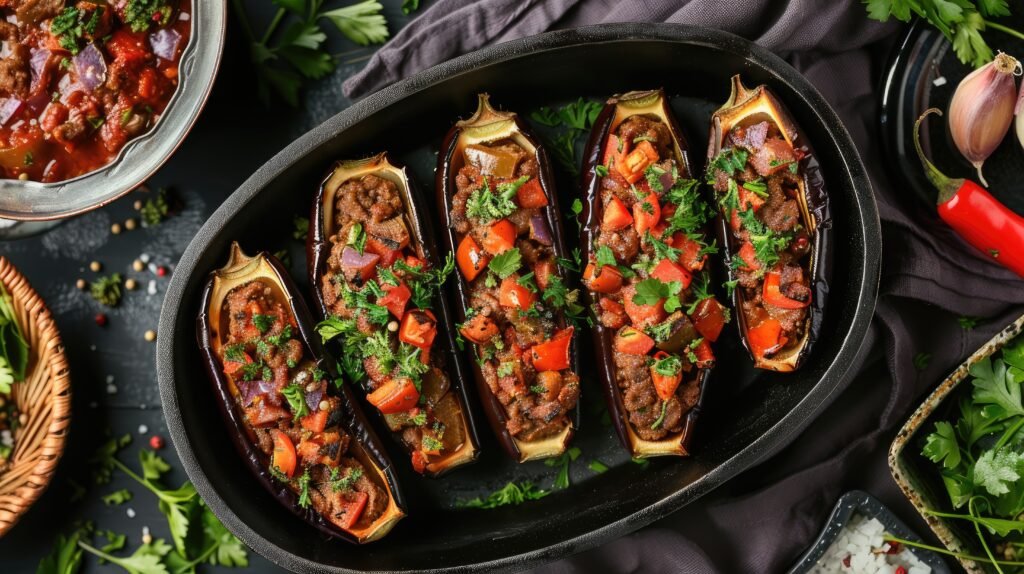
Şakşuka – Fried vegetables served with tomato sauce, commonly presented as part of a meze selection.
Transfer: Izmir – Bergama (Pergamon) | 110 km | approx. 1 hr 30 mins
Transfer: Bergama – Akhisar (Thyatira) | 95 km | approx. 1 hr 30 mins
Transfer: Akhisar – Izmir | 90 km | approx. 1 hr 30 mins
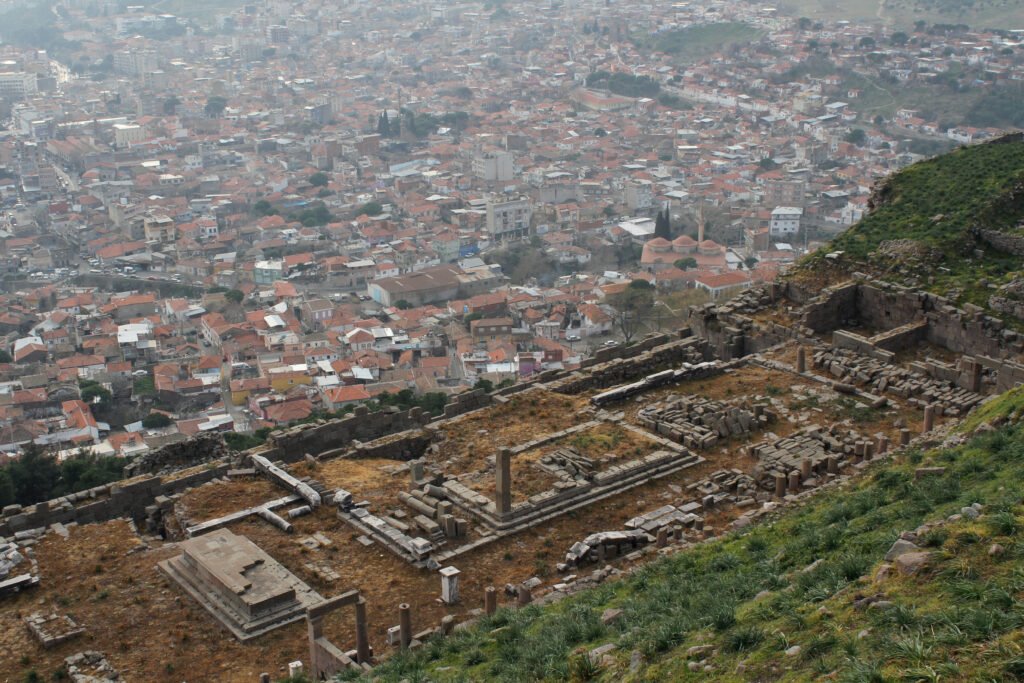
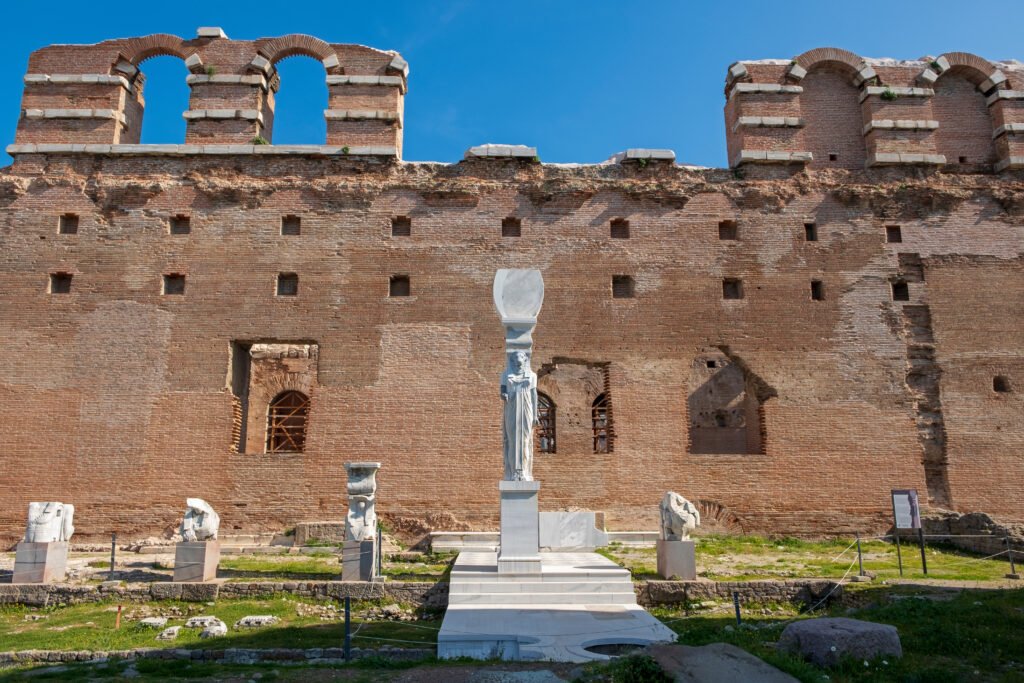
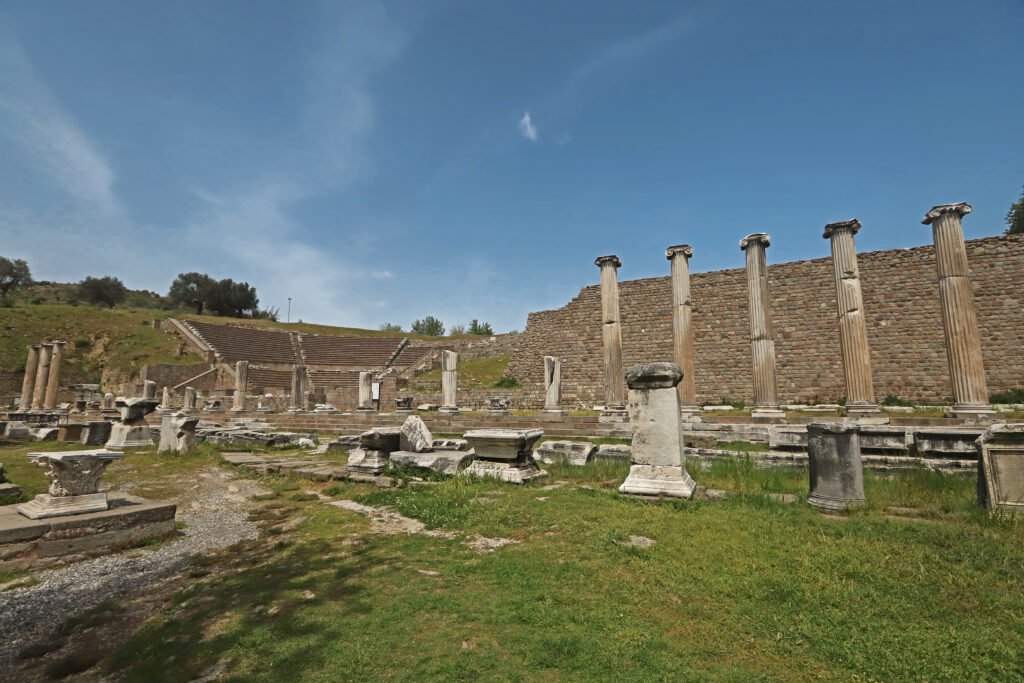
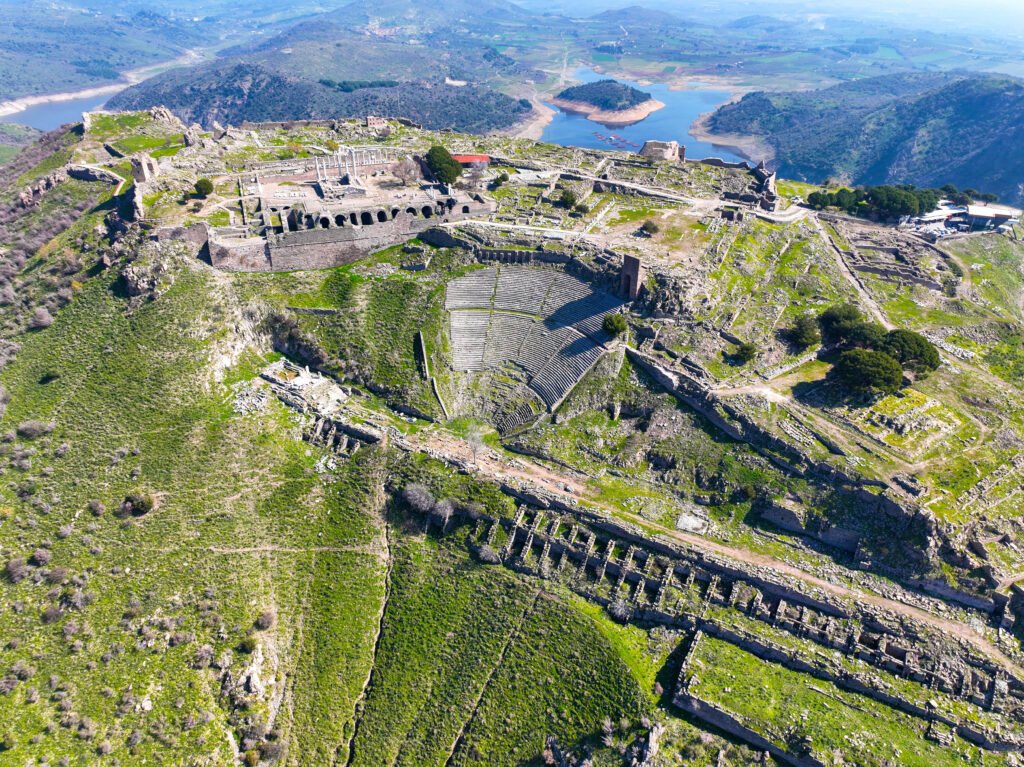
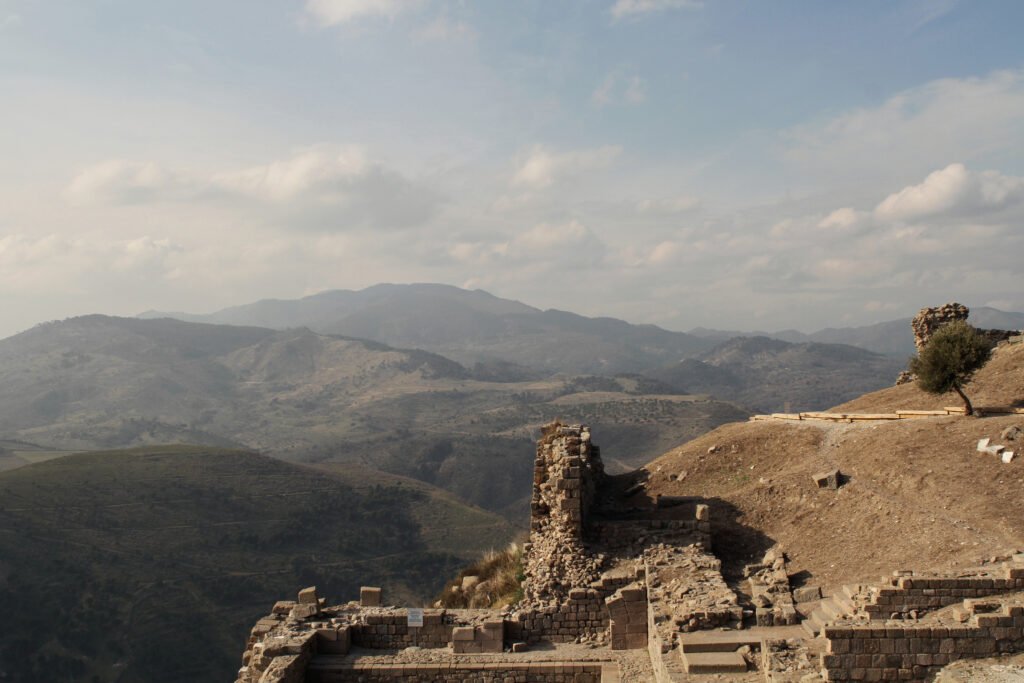
Depart Izmir for Bergama to visit the ancient city of Pergamon, one of the prominent cities of the Roman and early Christian periods. The ascent to the acropolis reveals a settlement set high above the surrounding plains, reflecting its historical importance as a center of learning and religion. The remains of the Temple of Trajan, the Altar of Zeus, and the steeply built theatre illustrate the scale and ambition of the city. Pergamon is also noted as one of the Seven Churches of Revelation, often associated with the challenges of maintaining faith within a complex society.
Continue to Akhisar, the site of ancient Thyatira, another of the Seven Churches. Though modest in its present remains, Thyatira held significance as a center of trade and craftsmanship, particularly in textiles and dyeing. The message addressed to this church reflects themes of faith, conduct, and perseverance within a working community shaped by guild life and commerce.
Lunch:
Kumru Sandwich – Local specialty of the Izmir region, prepared with crusty bread filled with grilled sausage, cheese, and vegetables.
Return to Izmir. The route passes through cultivated lands and small towns that reflect the agricultural character of the region.
Dinner:
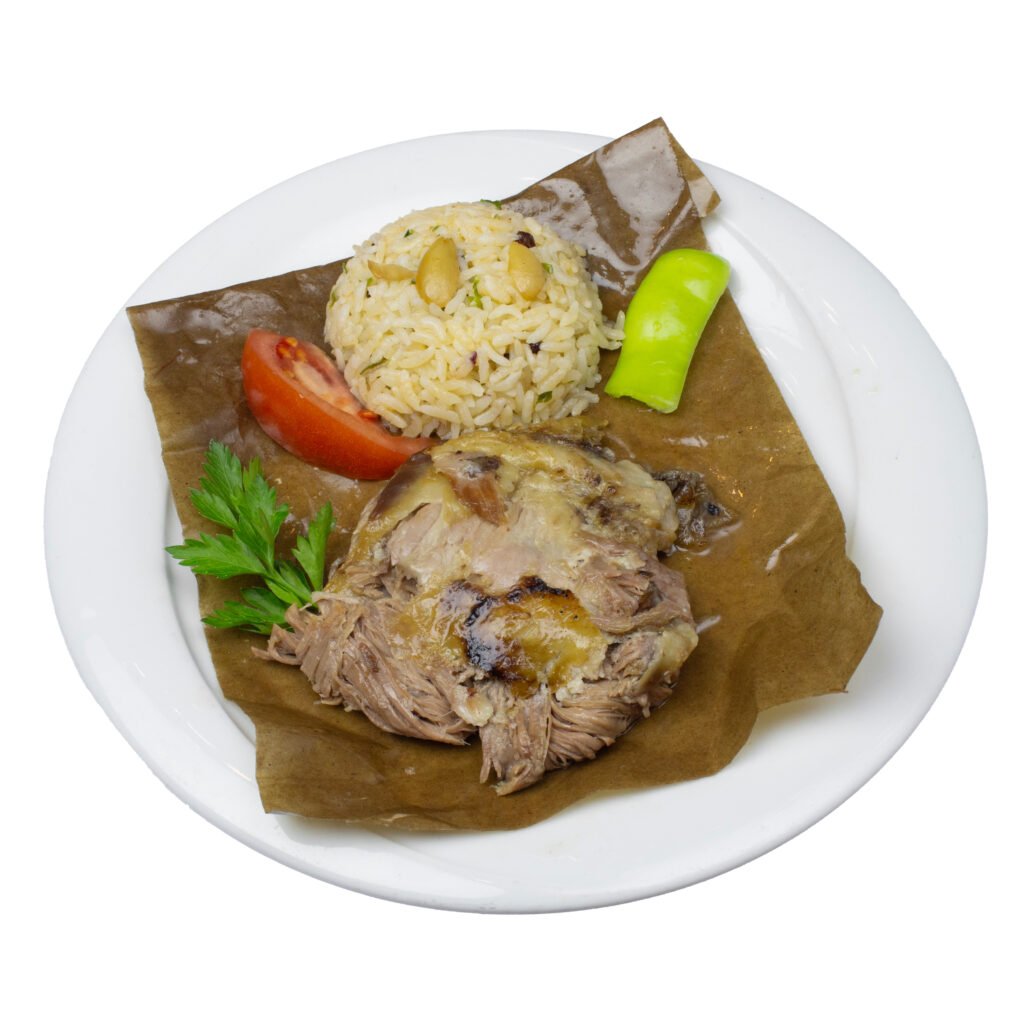
Kuzu Tandır – Lamb slow-roasted until tender, a traditional preparation widely enjoyed across Anatolia.
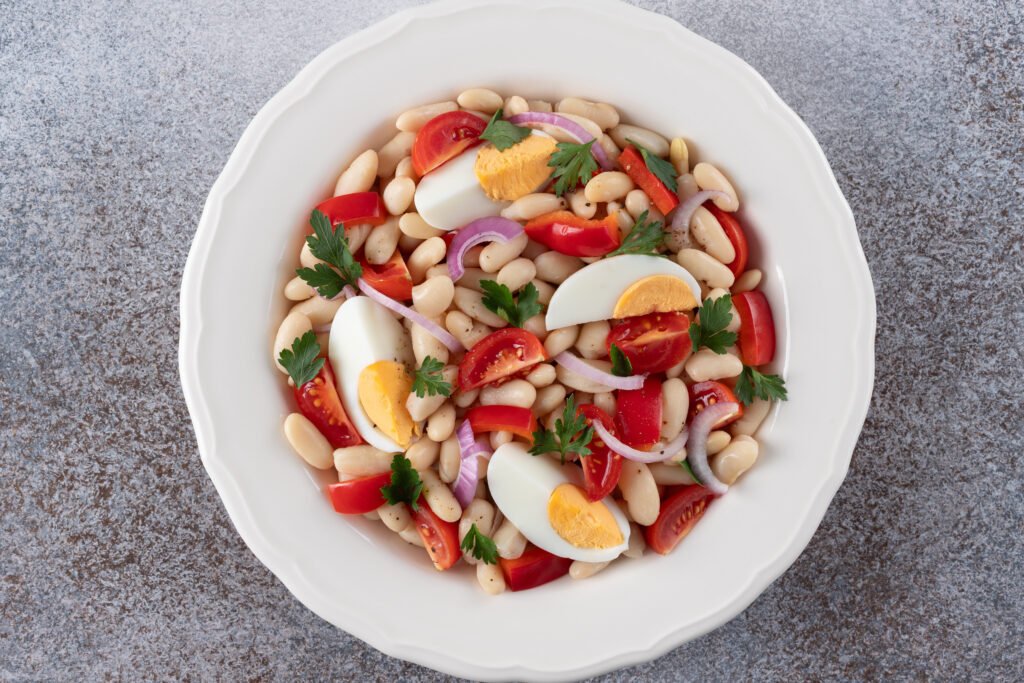
Piyaz – Bean salad prepared with olive oil and herbs, commonly served as a side dish.
Sütlaç – Rice pudding baked lightly on top, served as a classic dessert.

Transfer: Izmir – Sardis | 85 km | approx. 1 hr 15 mins
Transfer: Sardis – Alaşehir (Philadelphia) | 75 km | approx. 1 hr 15 mins
Transfer: Philadelphia – Laodicea | 140 km | approx. 2 hrs
Transfer: Laodicea – Pamukkale | 15 km | approx. 20 mins
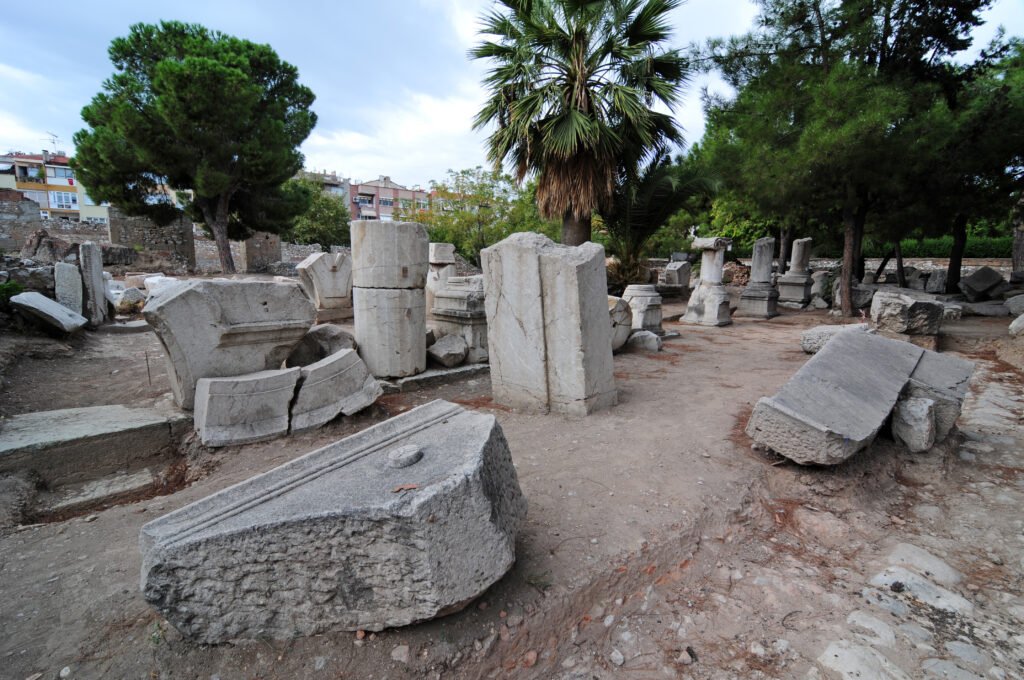
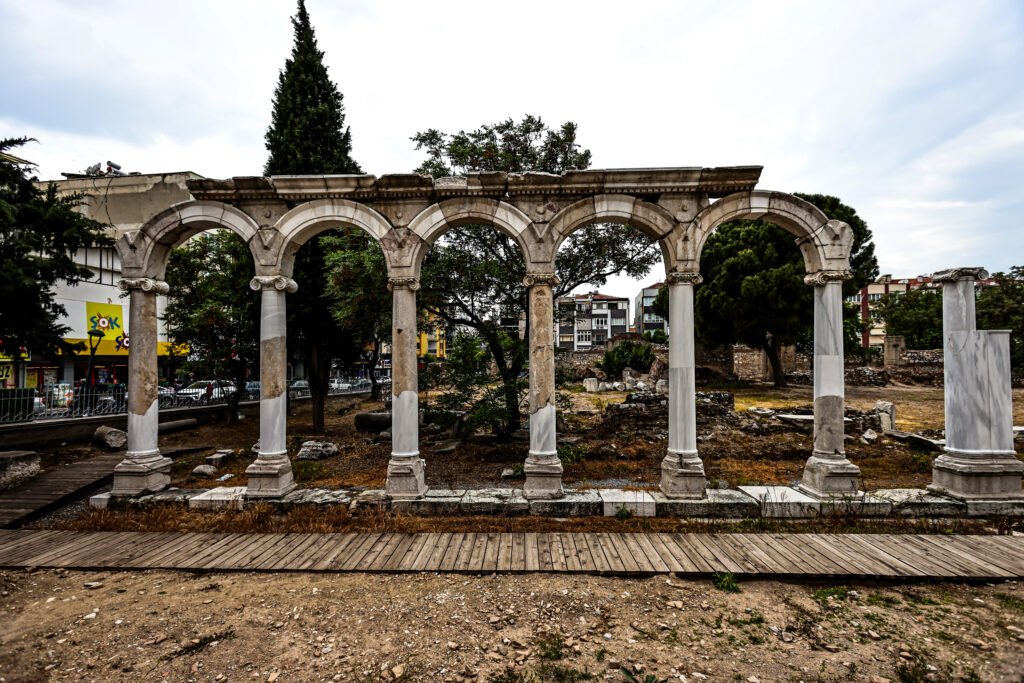
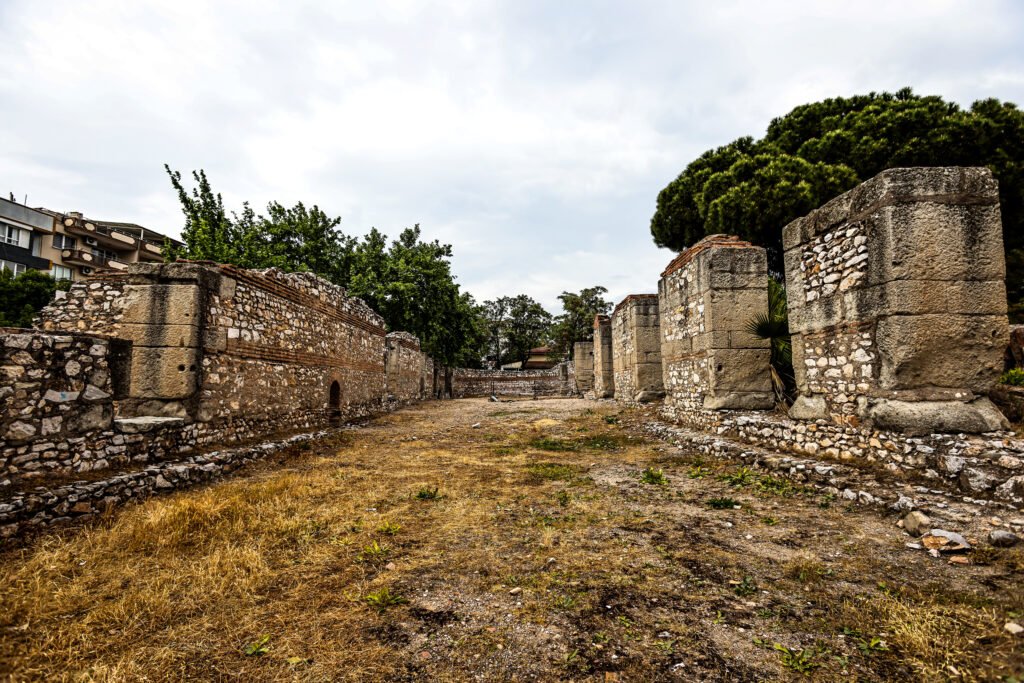
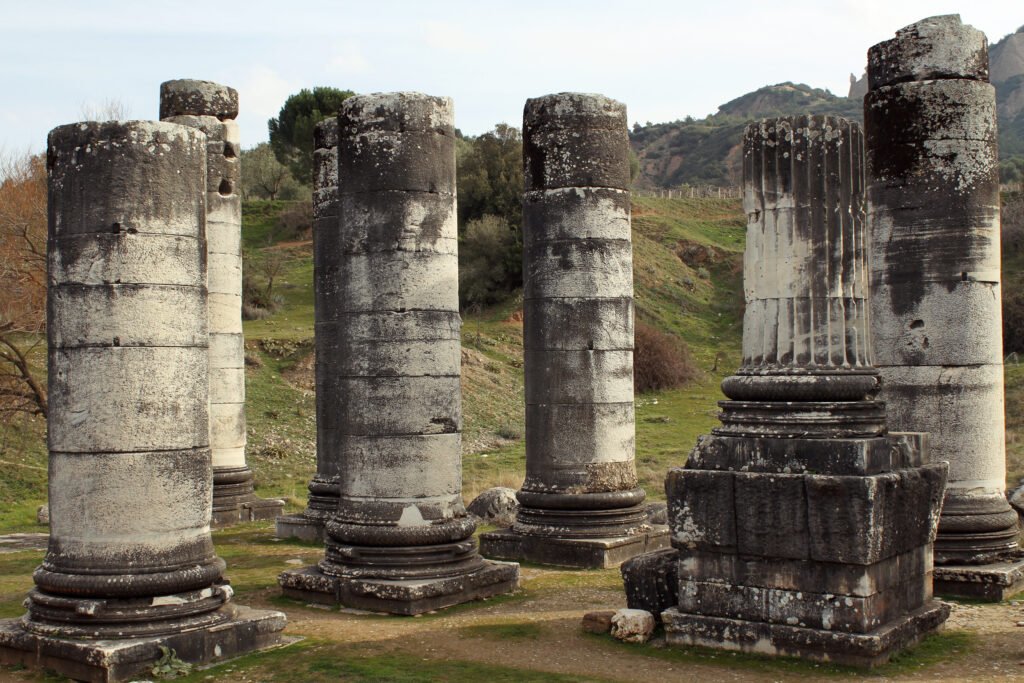
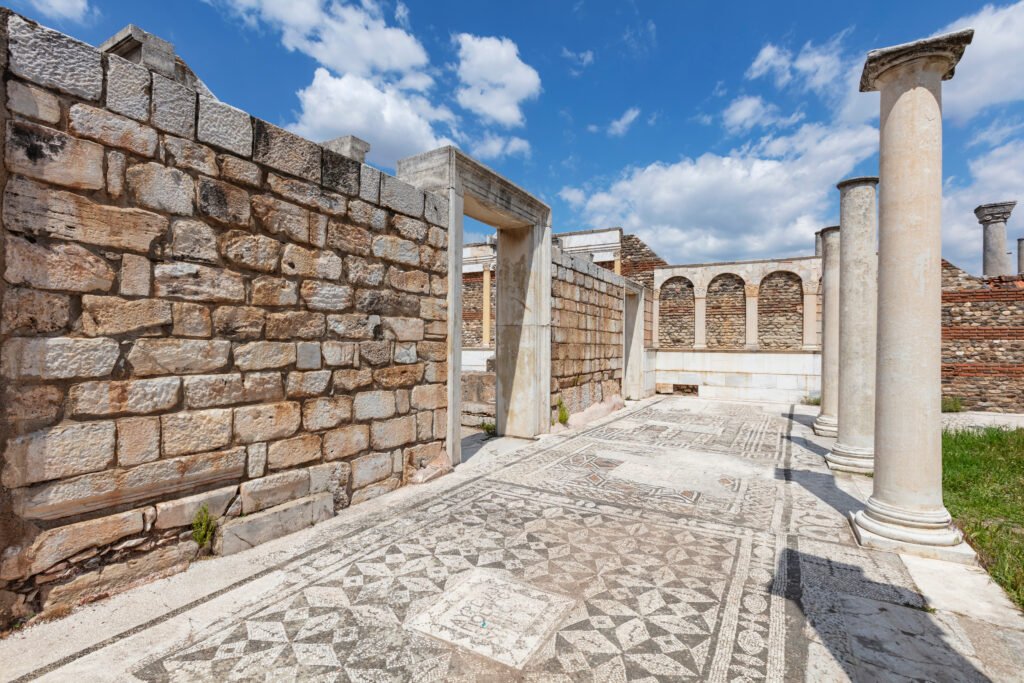
Depart Izmir for Sardis, once the capital of the ancient Kingdom of Lydia and later an important center of early Christianity. The site preserves remains of a grand gymnasium, synagogue, and early church structures, reflecting a city that held both cultural and religious importance. Sardis is remembered as one of the Seven Churches, often associated with the call to renewal and vigilance.
Continue to Alaşehir, the site of ancient Philadelphia, known as the “Church of Brotherly Love.” The city stood along important trade routes and served as a gateway between regions, which contributed to its growth and resilience. The message addressed to this church reflects steadfastness and endurance, themes that are echoed in its long history.
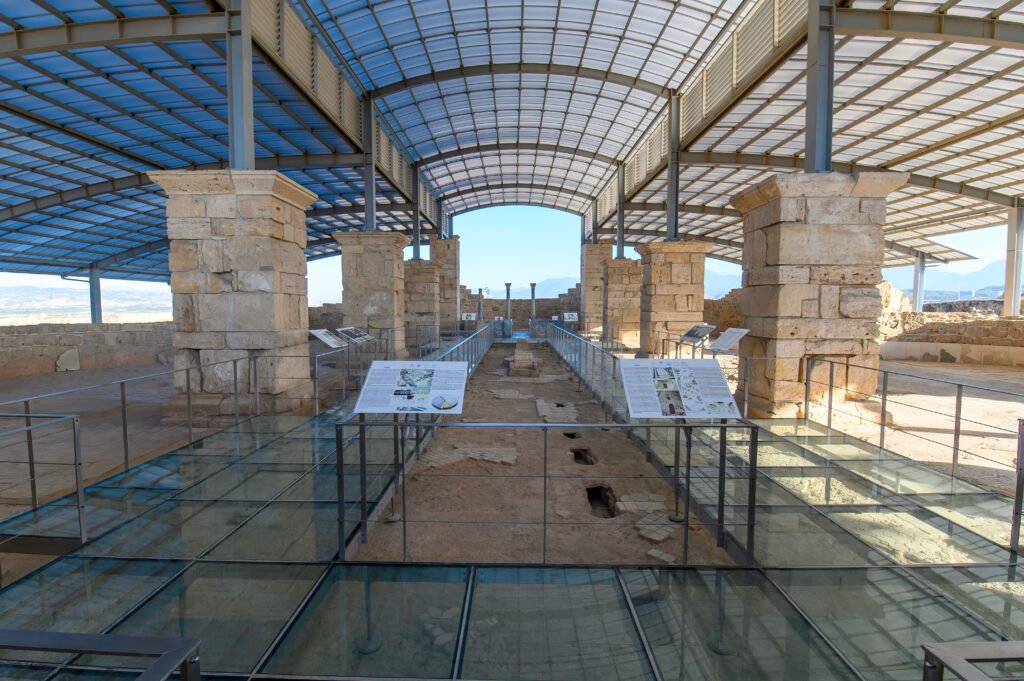
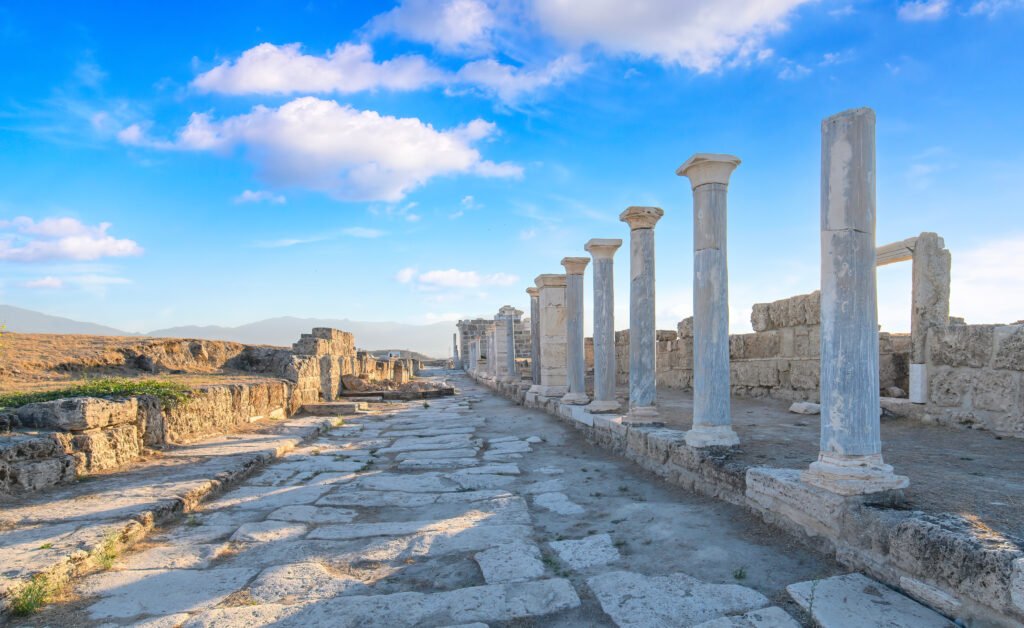
Proceed to Laodicea, located near the Lycus River valley. This city was a prosperous center of commerce, known for banking, textiles, and medical knowledge. The extensive ruins, including streets, churches, and public buildings, indicate its former wealth. Laodicea is referred to as the “Lukewarm Church,” a message that reflects the challenges of spiritual complacency within a thriving society.
Lunch:
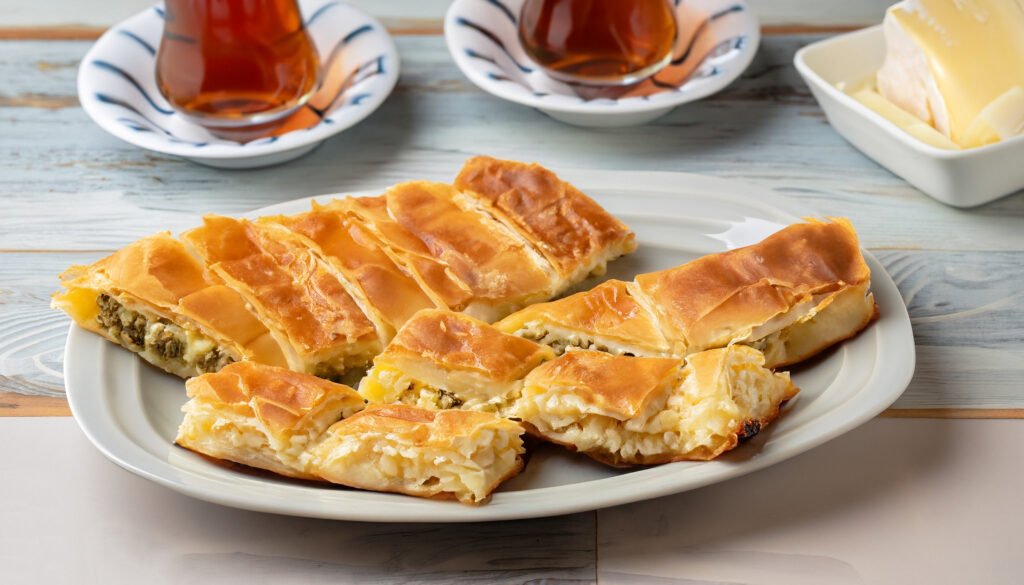
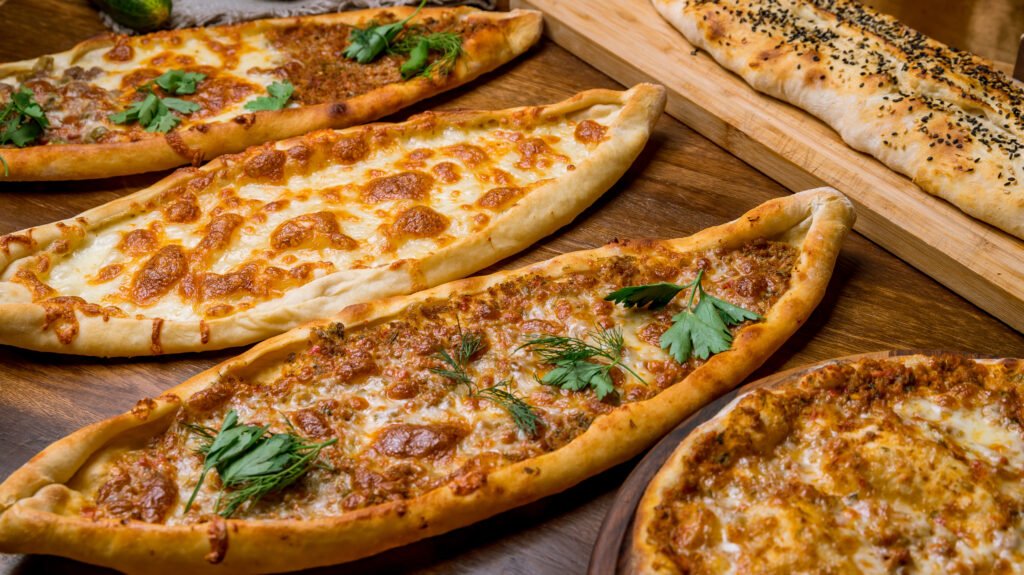
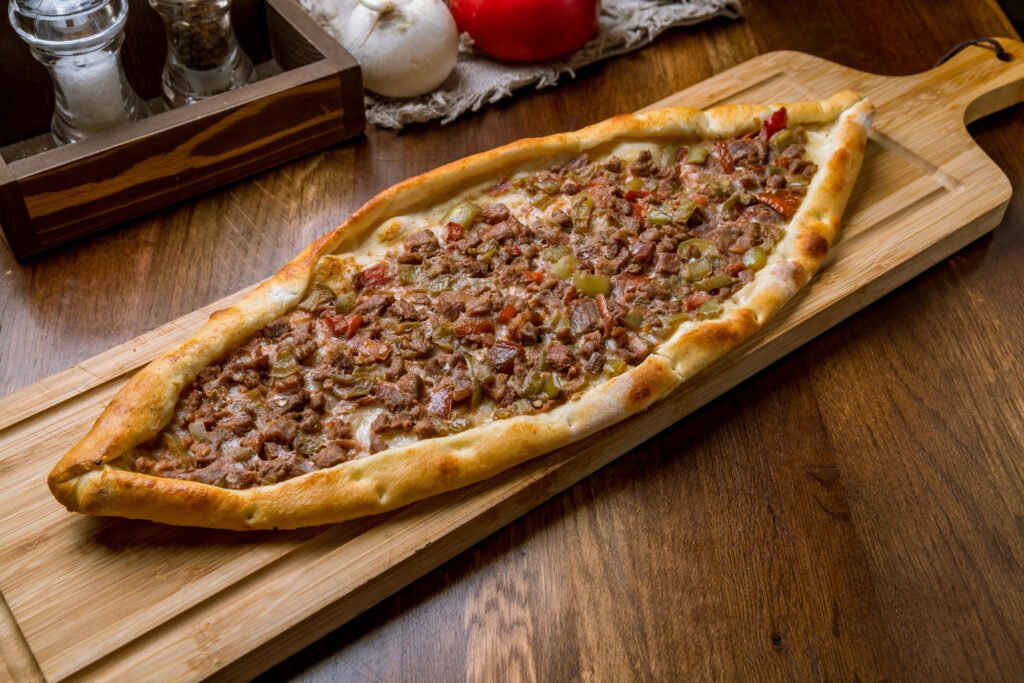
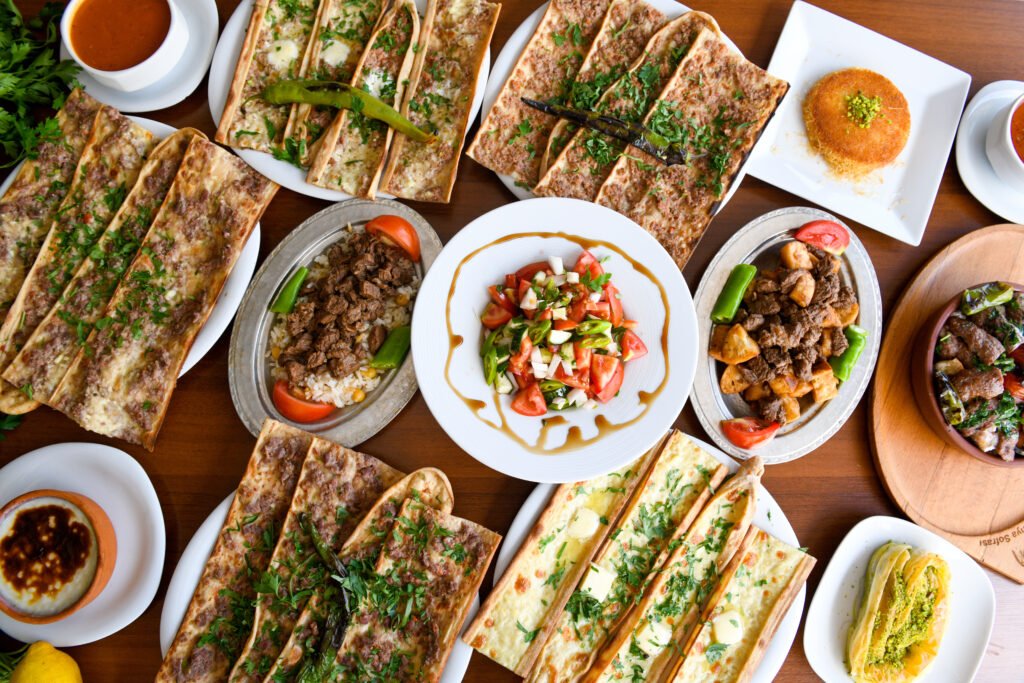
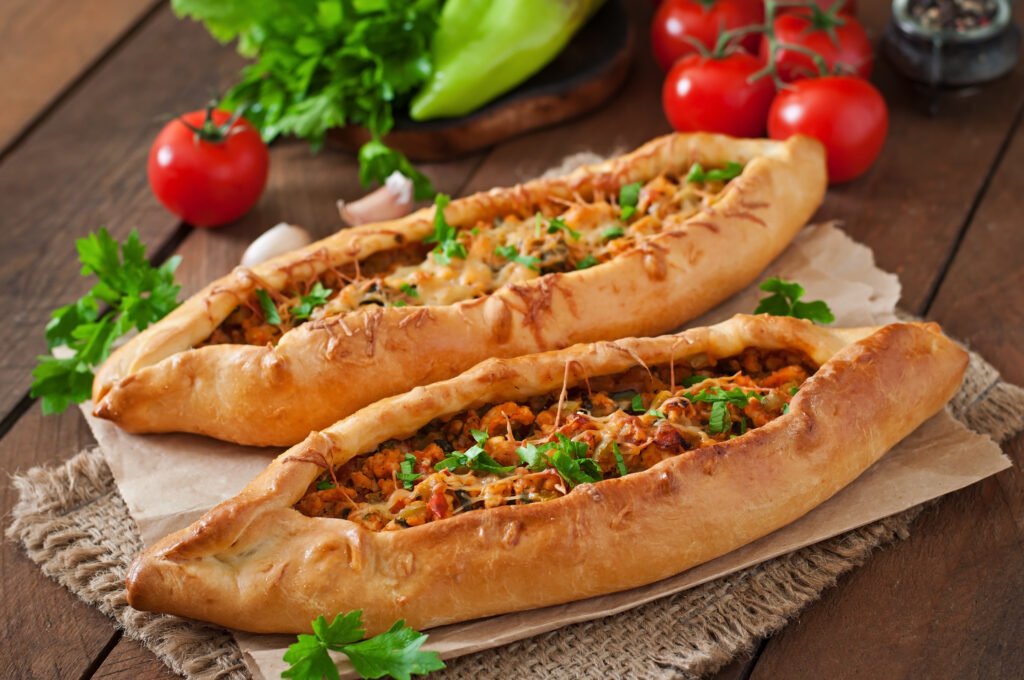
Pide – Oven-baked flatbread prepared with cheese or minced meat, served fresh and commonly enjoyed across the region.
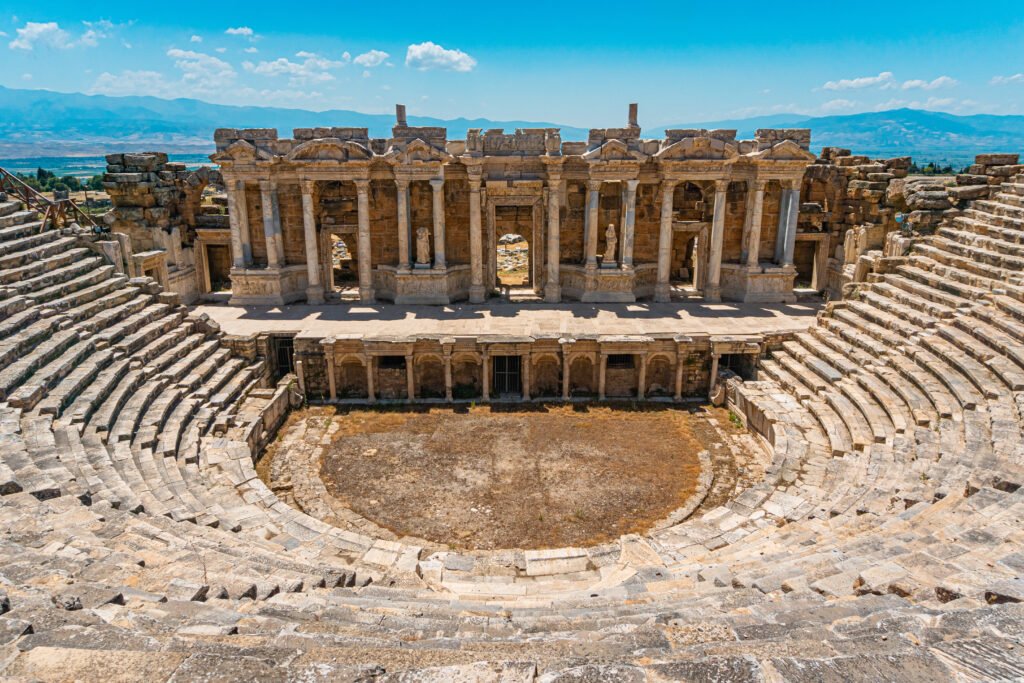
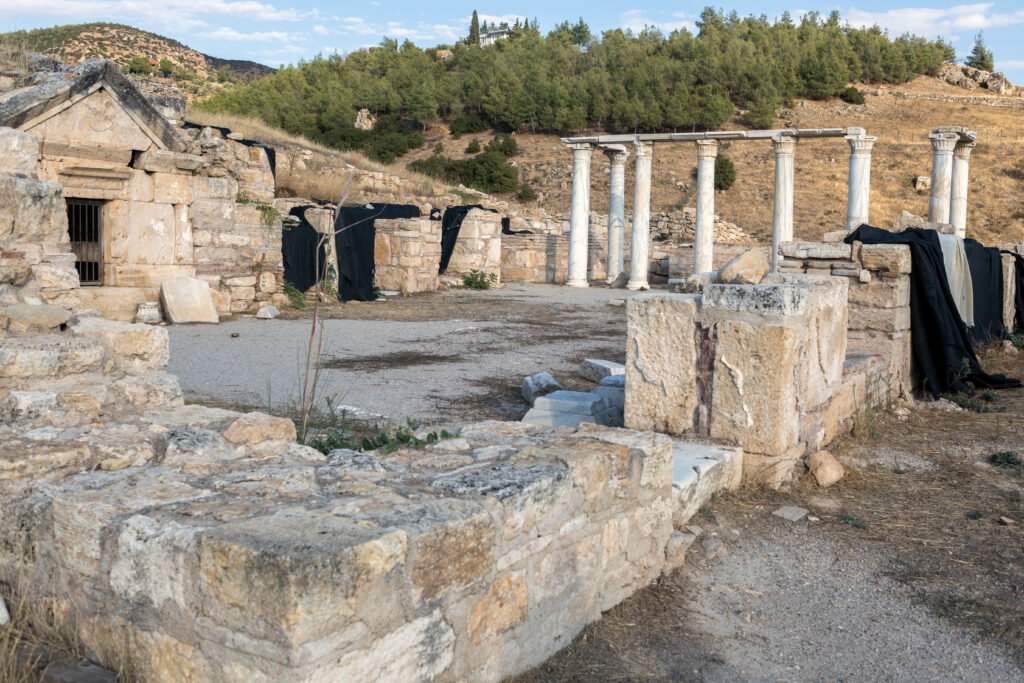
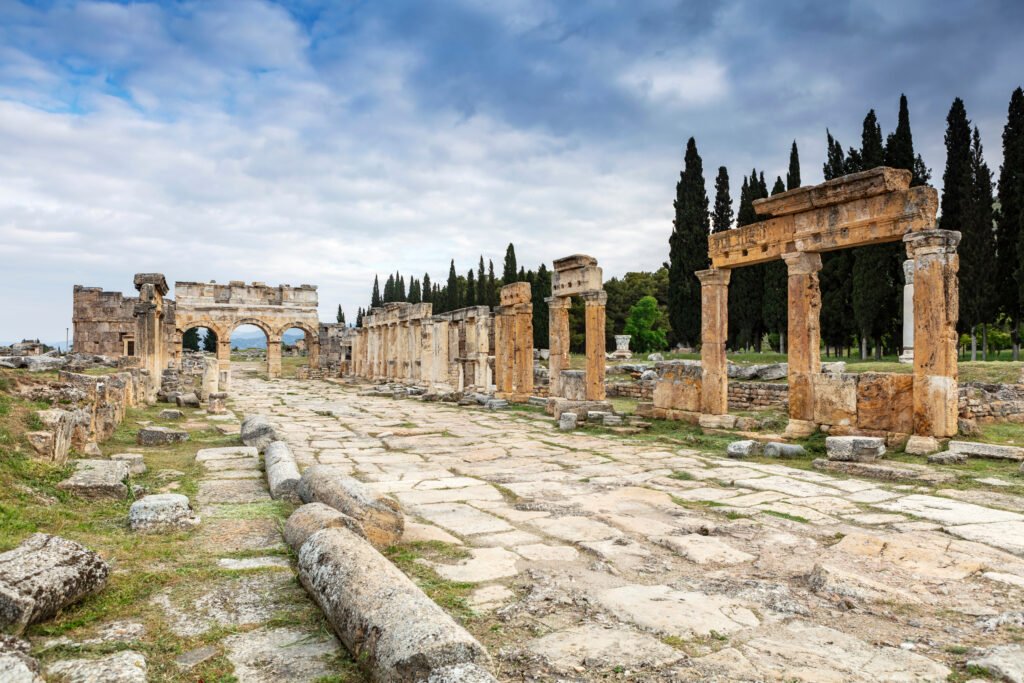
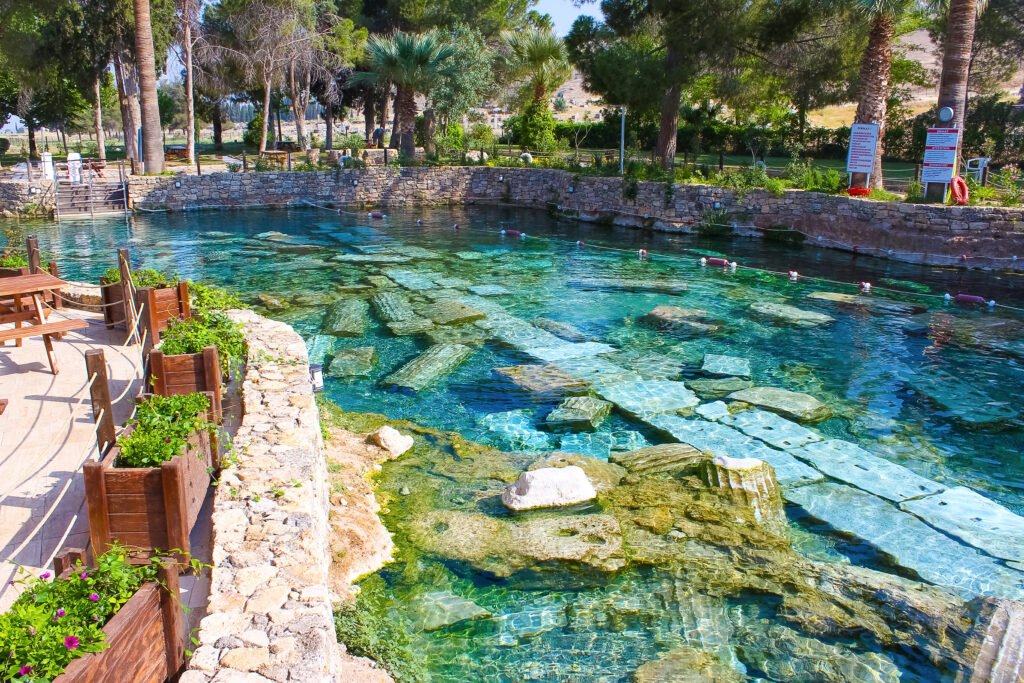
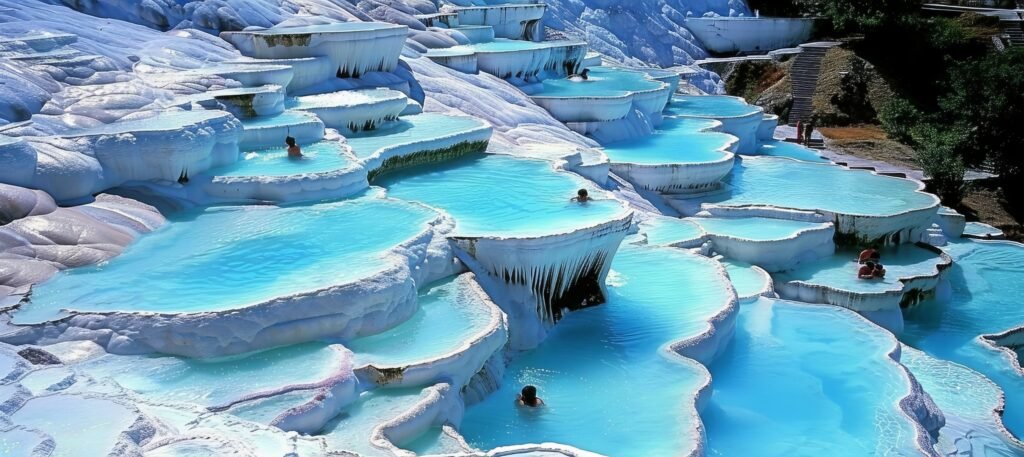
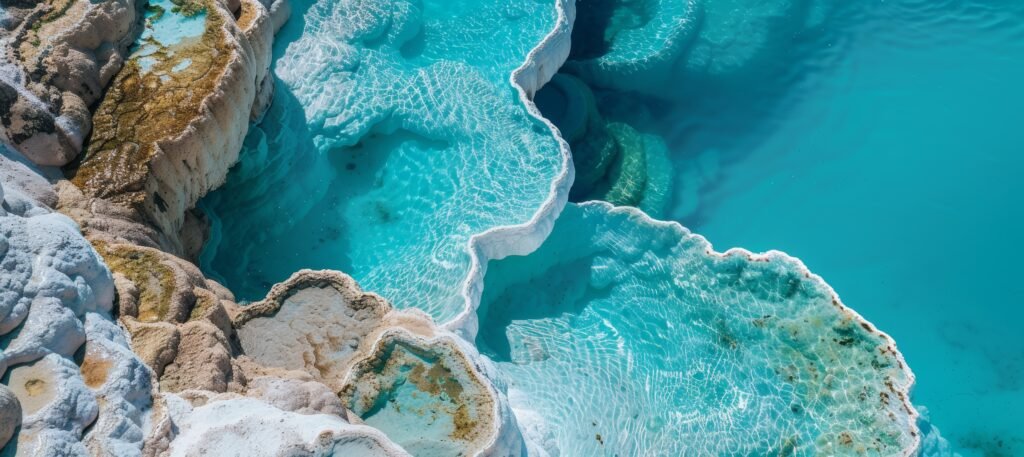
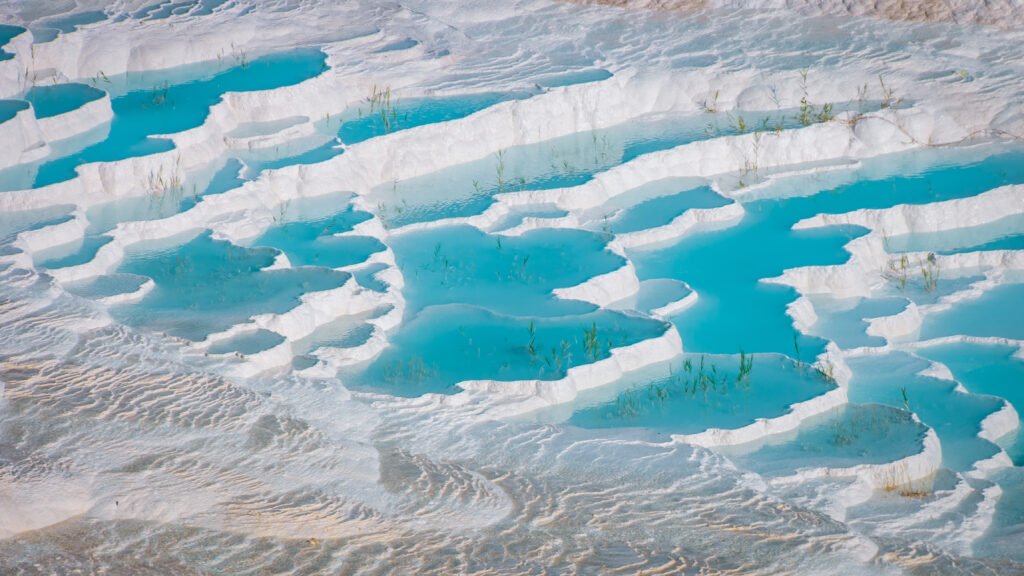
Continue to Pamukkale and visit the ancient city of Hierapolis along with the famous white travertine terraces formed by mineral-rich thermal waters. The landscape presents a unique natural formation that has attracted visitors since antiquity, and the site is also associated with early Christian history.
Dinner:
Tavuk Şiş – Grilled chicken skewers marinated and cooked over charcoal, served with rice and vegetables.
Cacık – Yogurt mixed with cucumber and herbs, served chilled as a refreshing accompaniment.
Kabak Tatlısı – Pumpkin dessert cooked with sugar and served with nuts, reflecting traditional Anatolian sweets.
Transfer: Pamukkale – Antioch of Pisidia | 230 km | approx. 3 hrs 30 mins
Transfer: Antioch of Pisidia – Konya | 170 km | approx. 2 hrs 30 mins
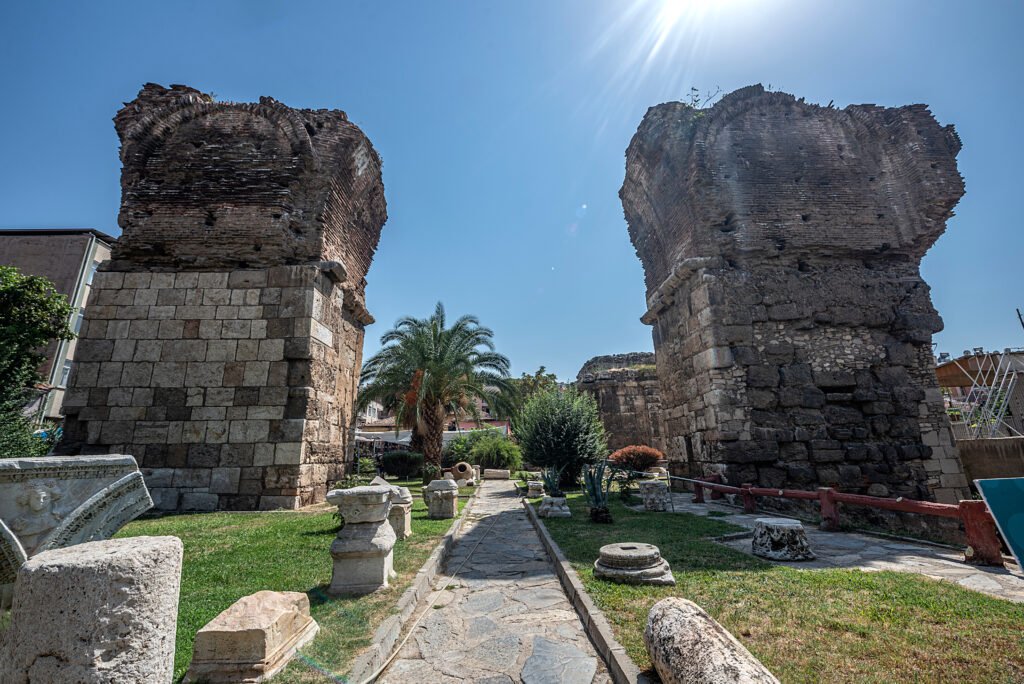
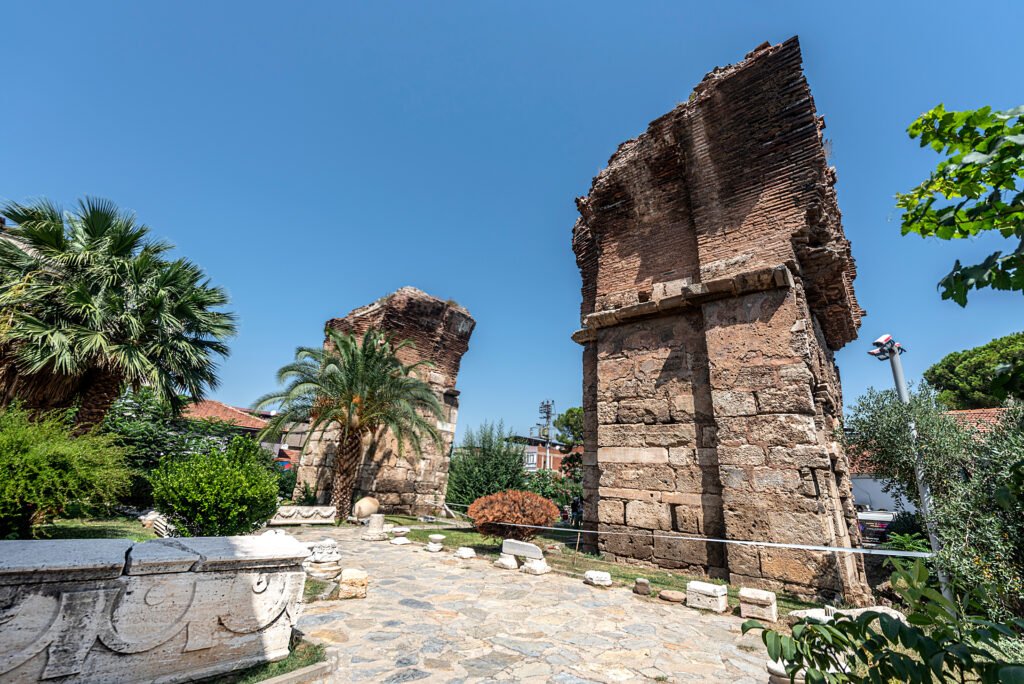
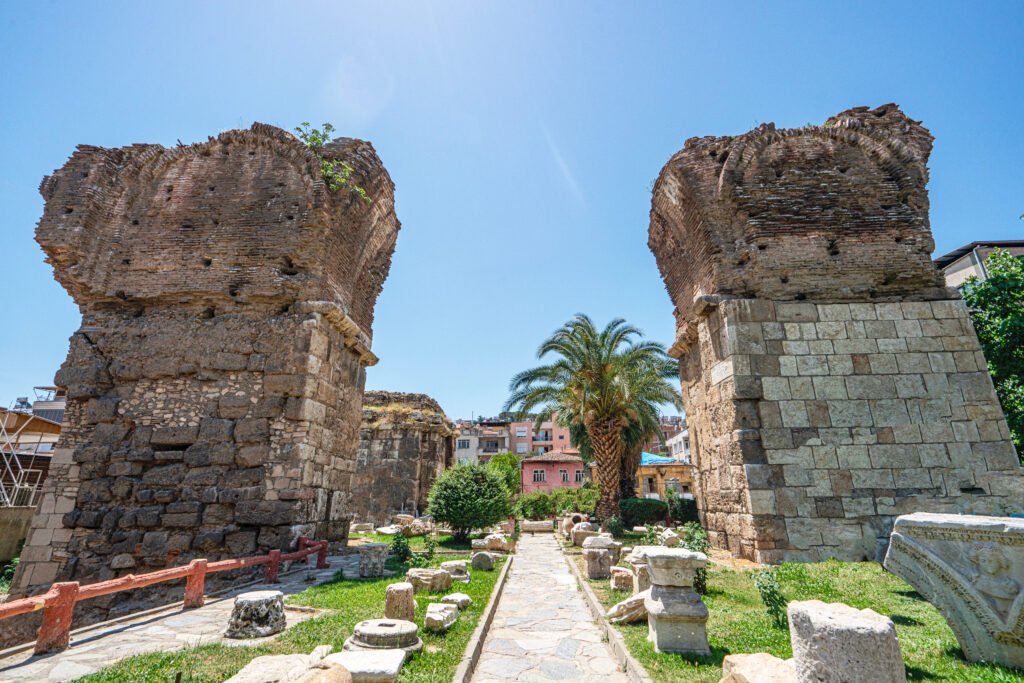
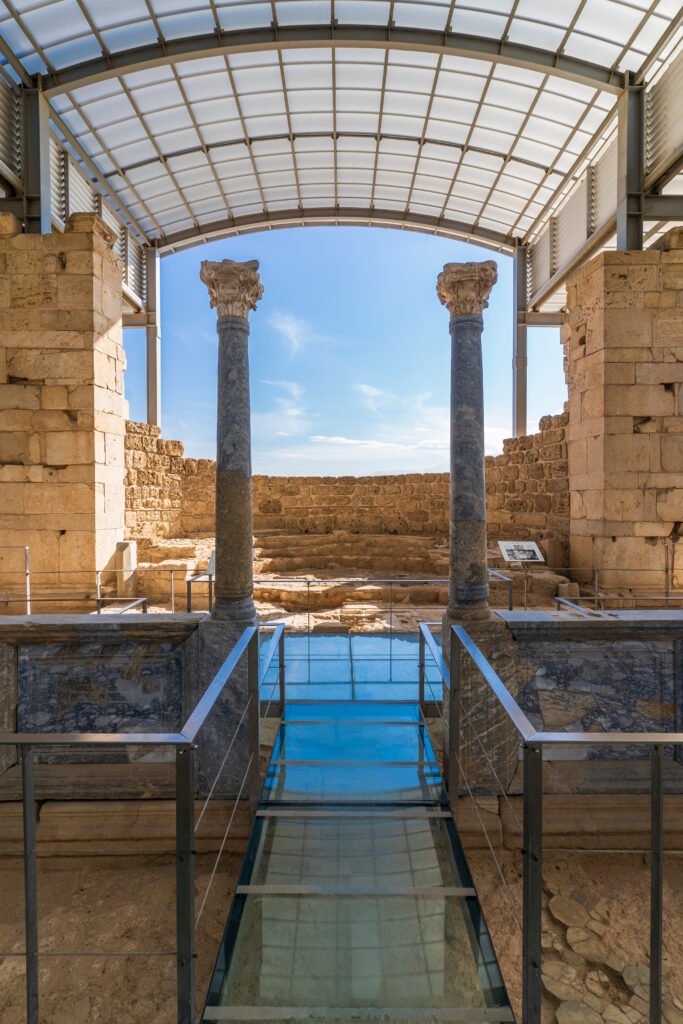
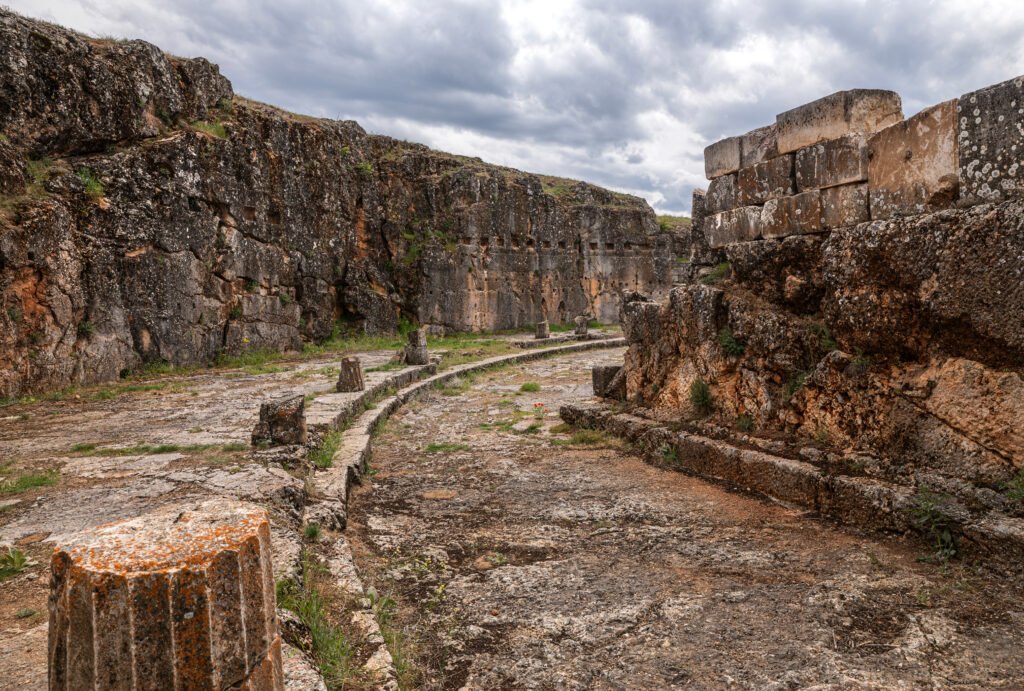
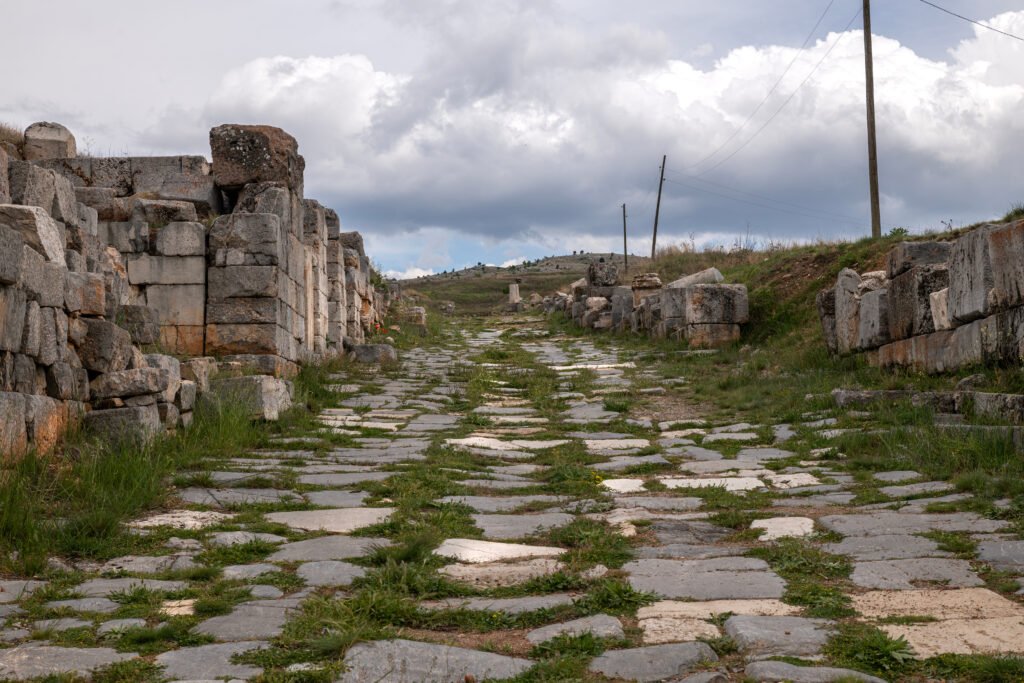
Depart Pamukkale and travel inland toward Antioch of Pisidia, located in the highlands of central Anatolia. The route passes through changing landscapes, from fertile plains to elevated terrain, reflecting the geographical diversity of this region. Antioch of Pisidia holds particular importance in early Christian history as the site of St. Paul’s first recorded sermon during his missionary journeys.
Visit the remains of the ancient city, including the area believed to have housed the synagogue where St. Paul preached. Later, a church dedicated to him was constructed on this site, marking the establishment of one of the earliest non-Jewish Christian communities. The setting offers a sense of the early spread of Christianity beyond its initial centers.
Lunch:
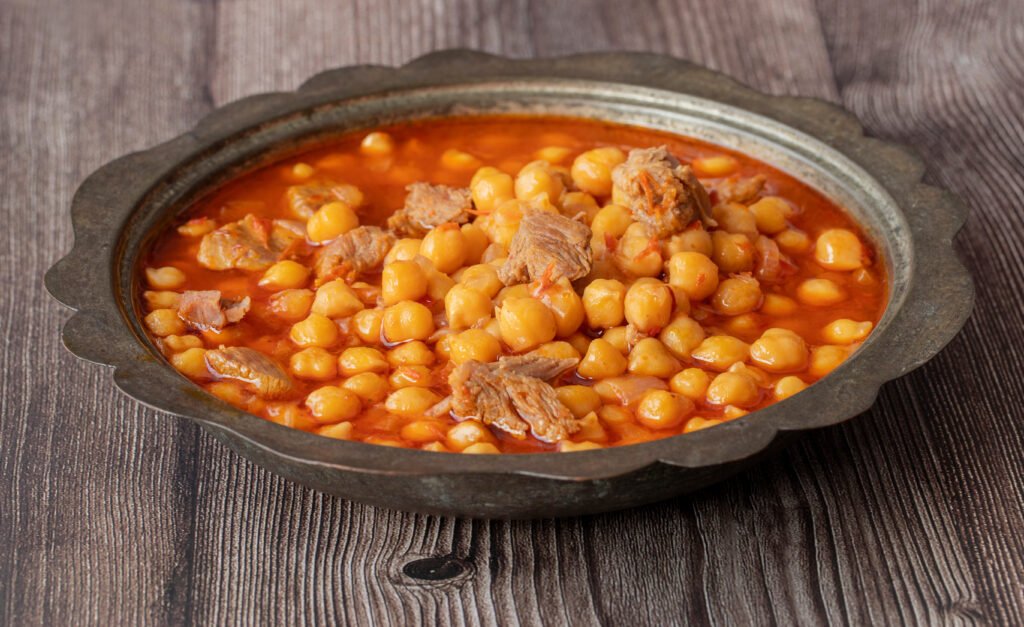
Etli Ekmek – Long, thin flatbread topped with minced meat and baked in a traditional oven, a specialty associated with central Anatolia.
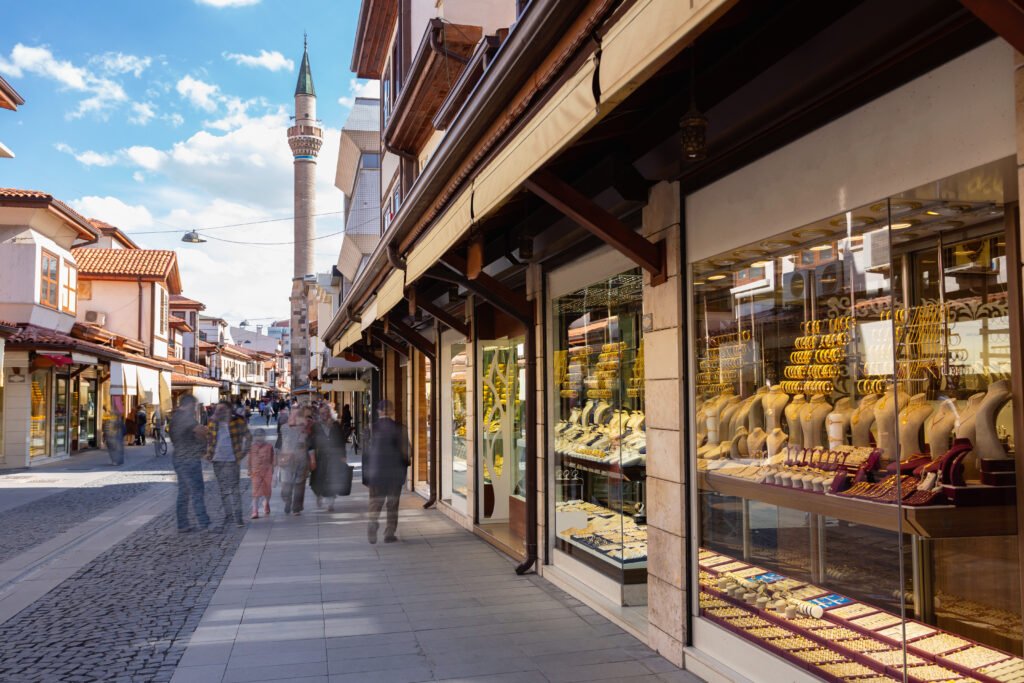
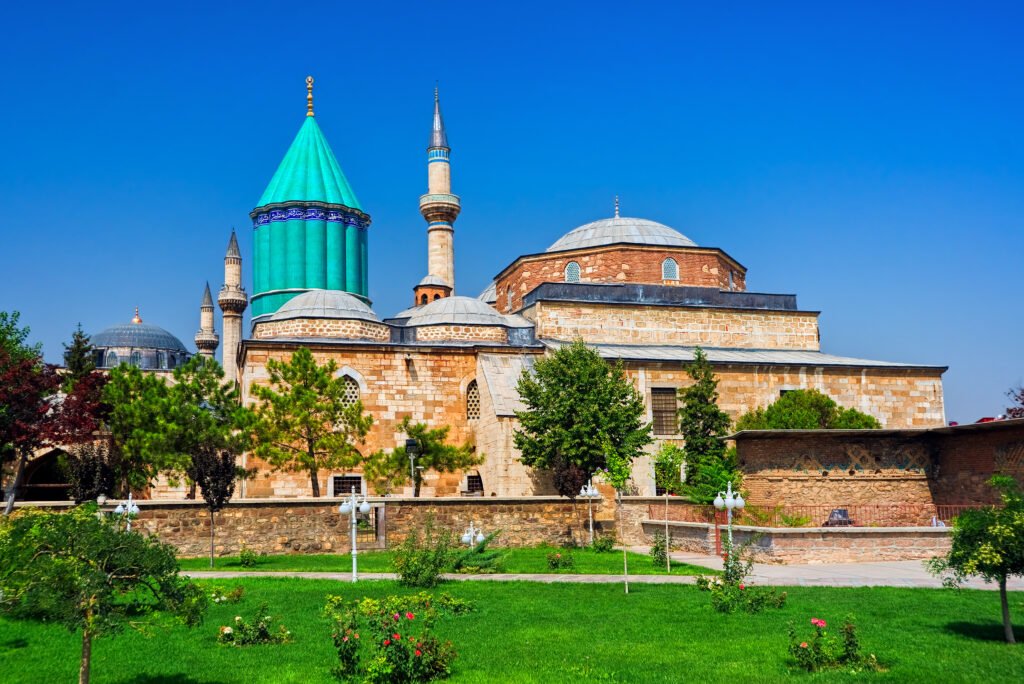
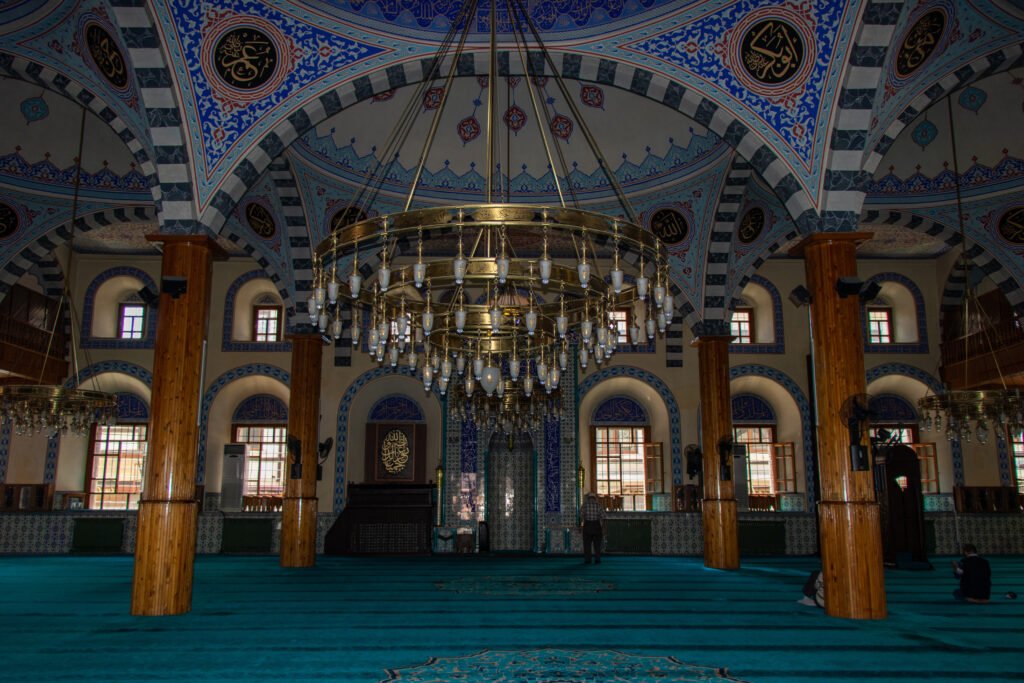
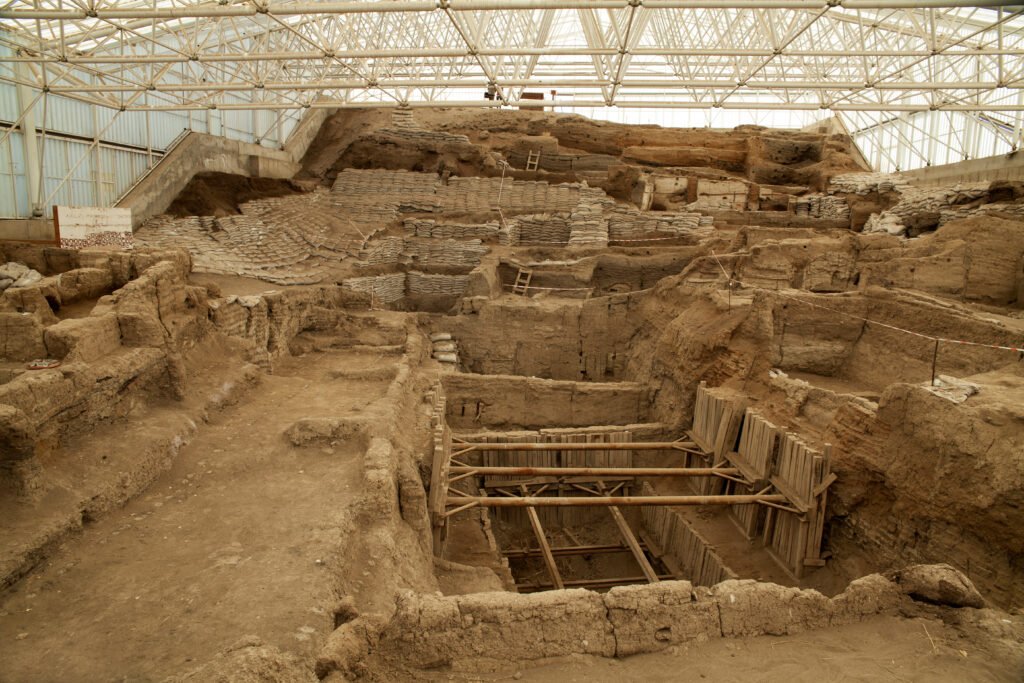
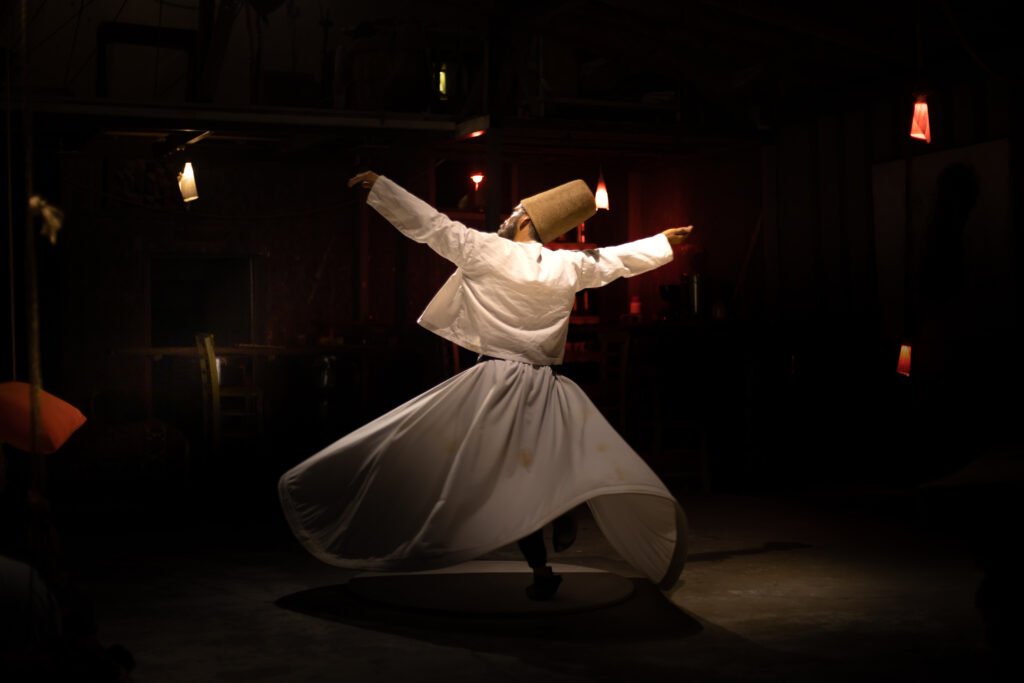
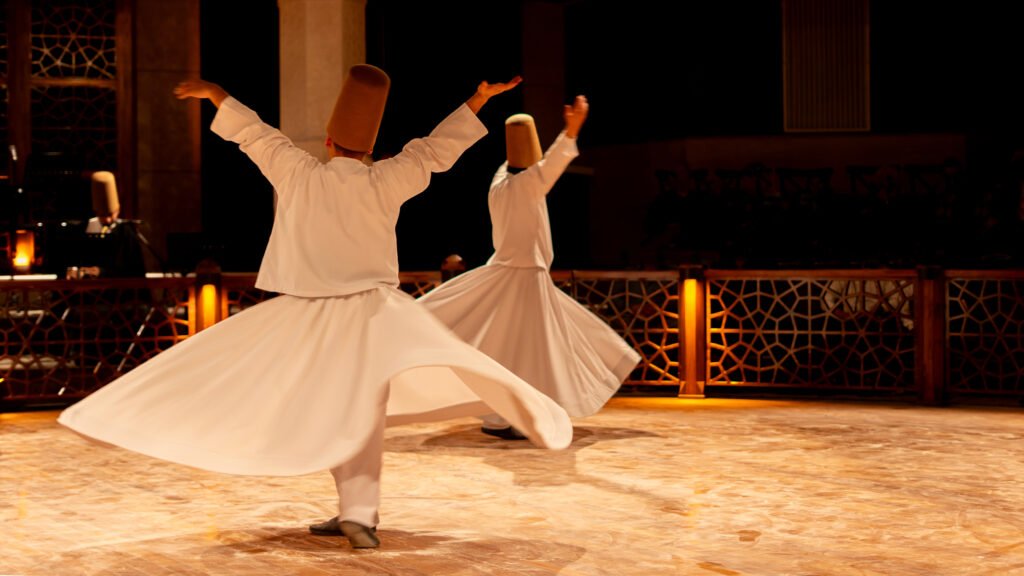
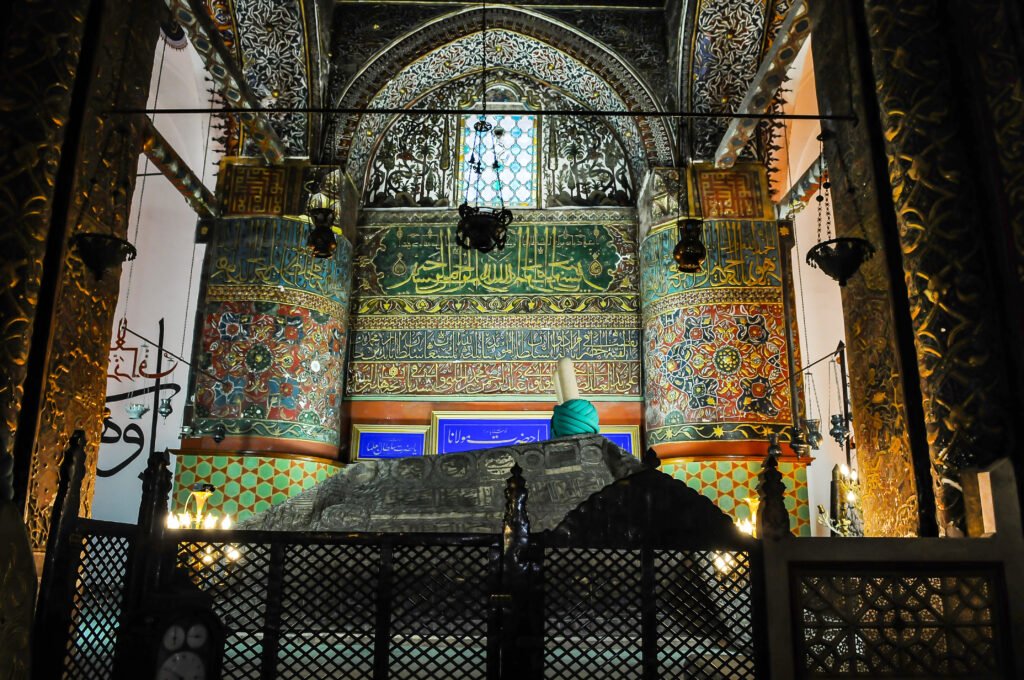
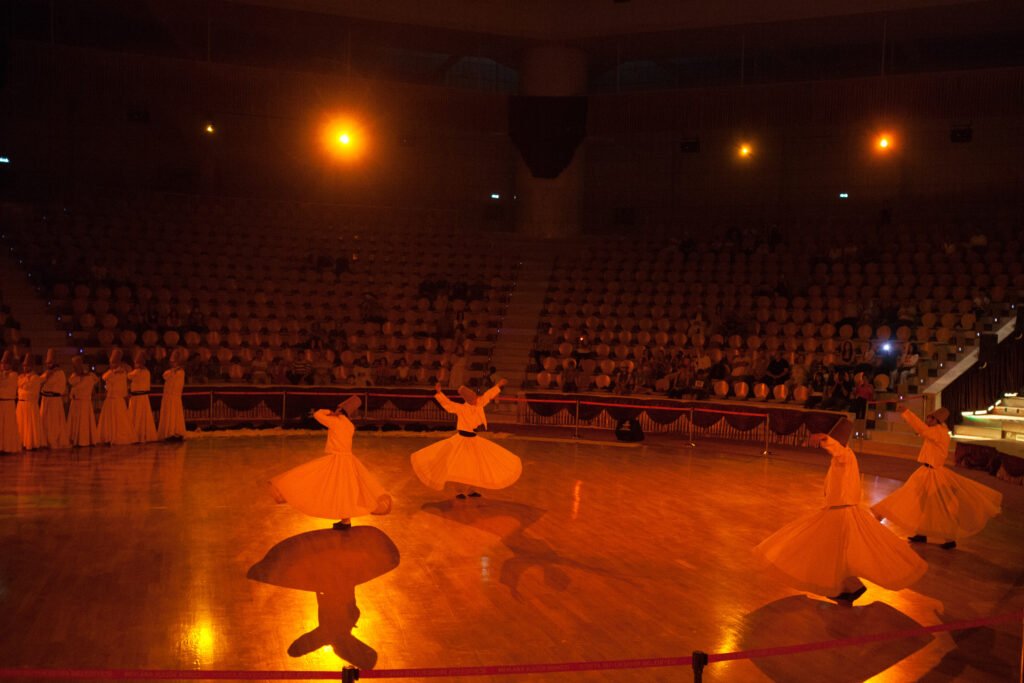
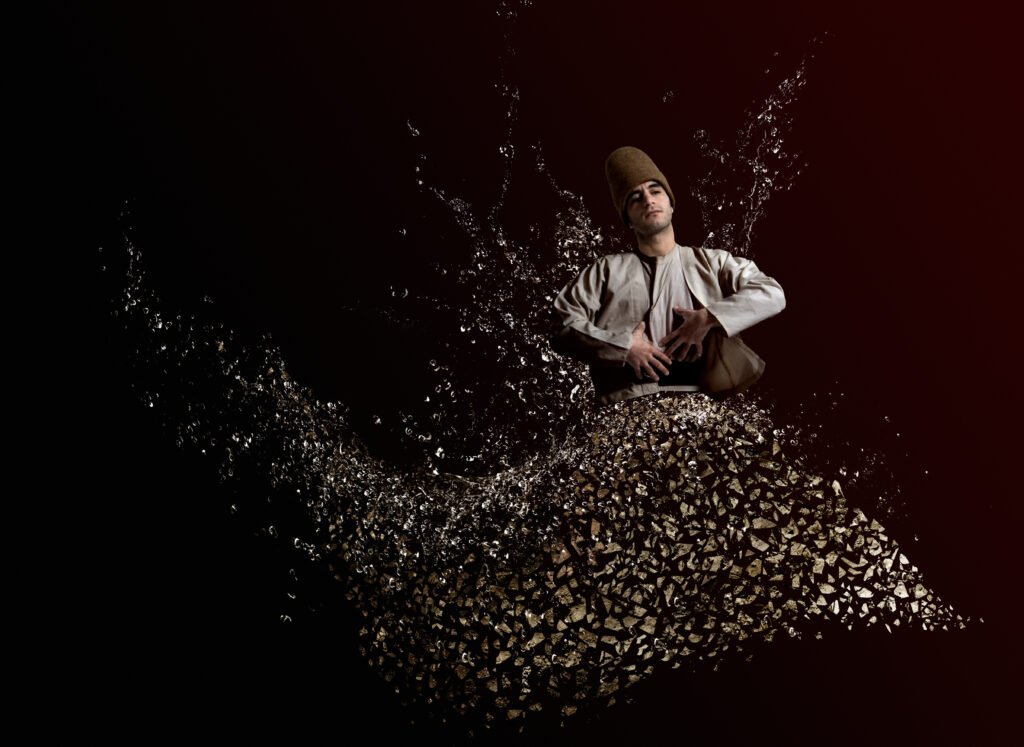
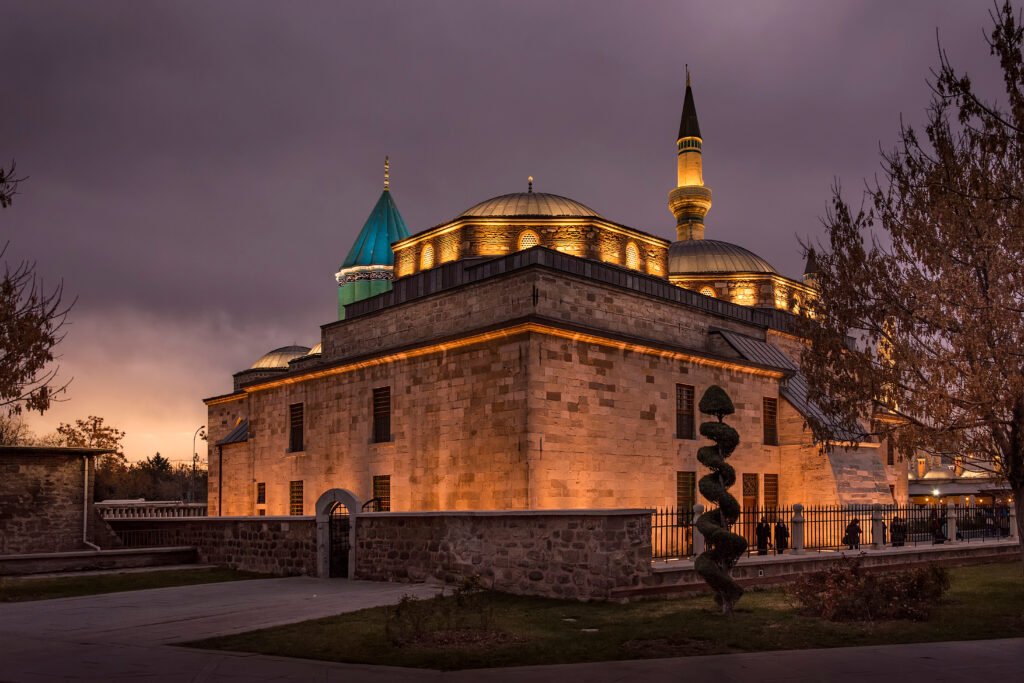
Continue to Konya, a city known for its historical and spiritual significance. It is widely associated with the teachings of Mevlana Jalaluddin Rumi and the tradition of the Whirling Dervishes. Visit the Mevlana Mausoleum, a place of reflection that continues to attract visitors seeking insight into Sufi philosophy and spiritual thought.
Dinner:
Fırın Kebabı – Lamb slow-cooked in a stone oven, prepared in its own juices, a traditional dish of Konya.
Bamya Çorbası – Okra soup served at the beginning of meals, reflecting long-standing culinary customs of the region.
Höşmerim – Dessert made from cheese and semolina, lightly sweetened and rooted in Anatolian tradition.

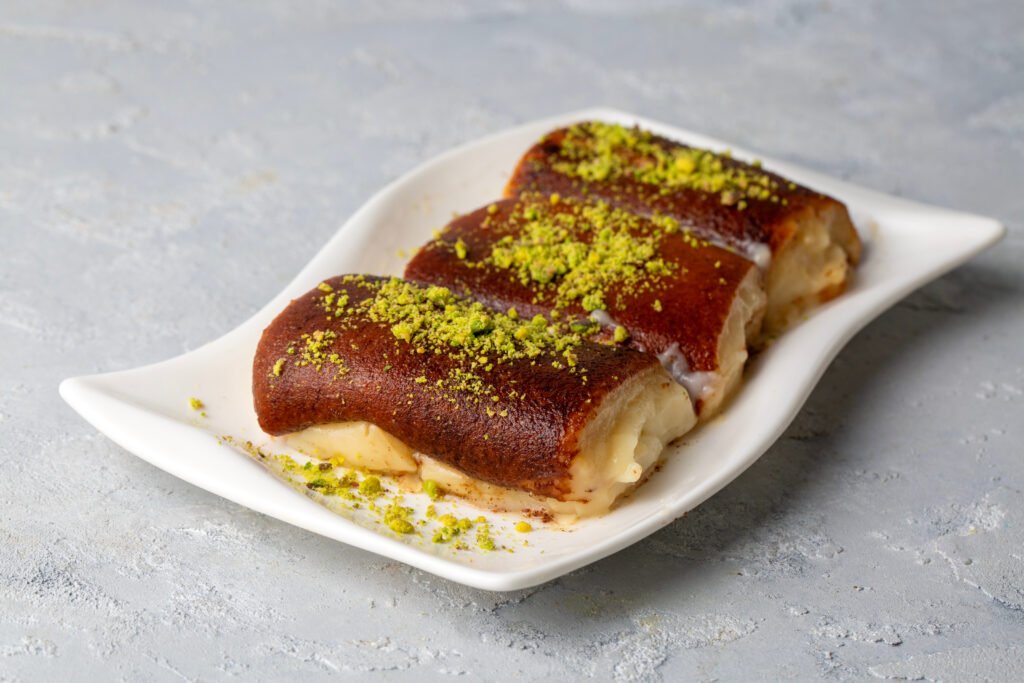
Transfer: Konya – Cappadocia | 240 km | approx. 3 hrs 30 mins
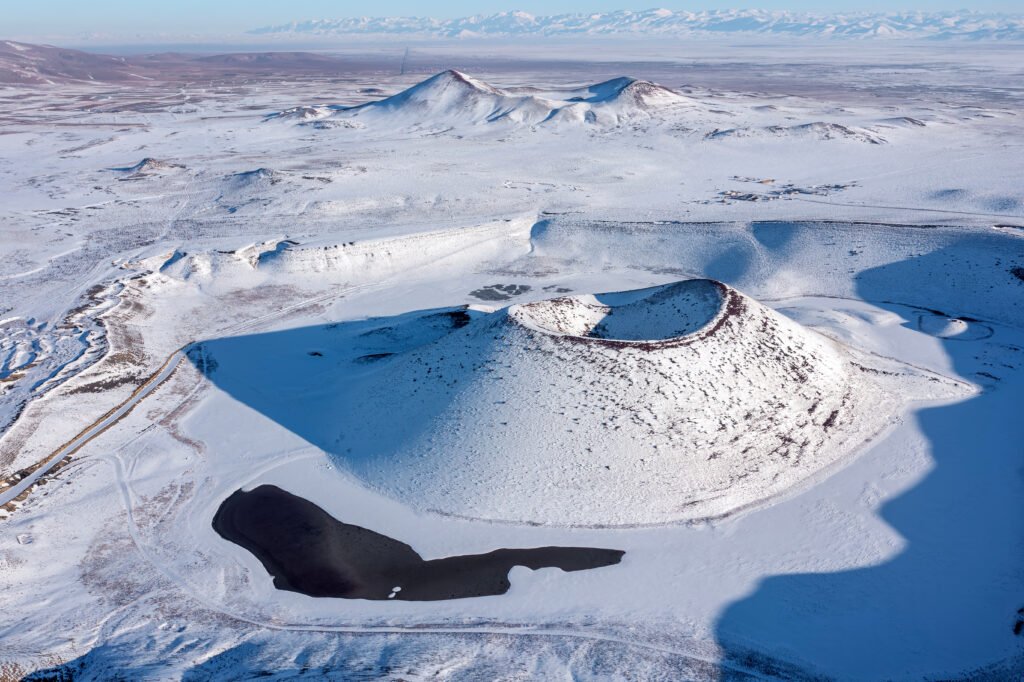
Depart Konya and proceed across the Anatolian plateau toward Cappadocia. The journey passes through open steppe landscapes and rural settlements, gradually giving way to the distinctive volcanic formations that define the region.
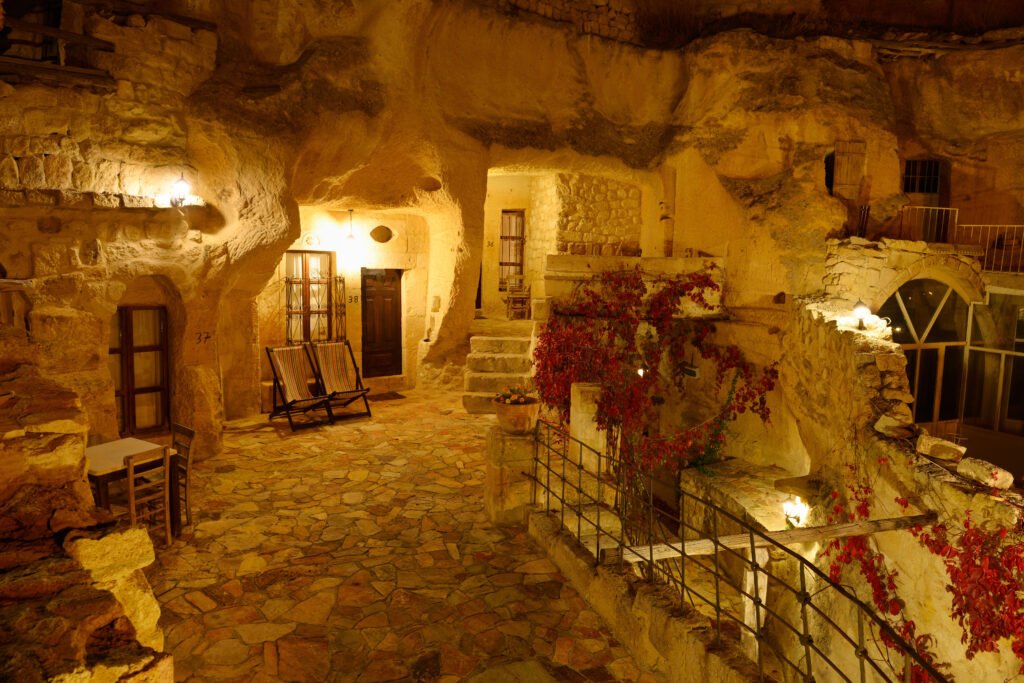
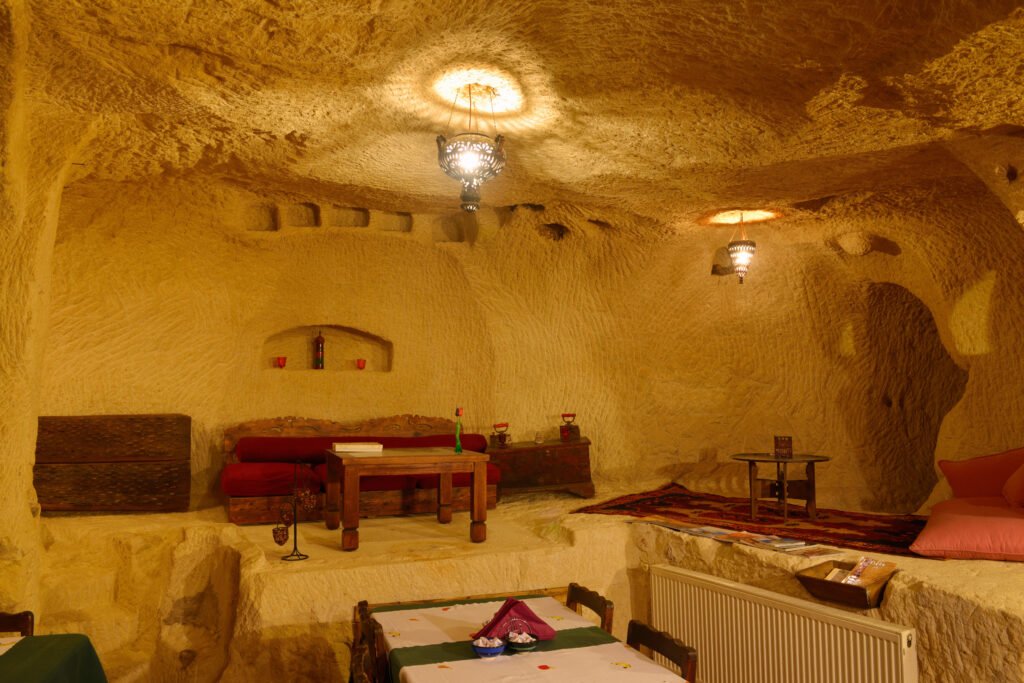
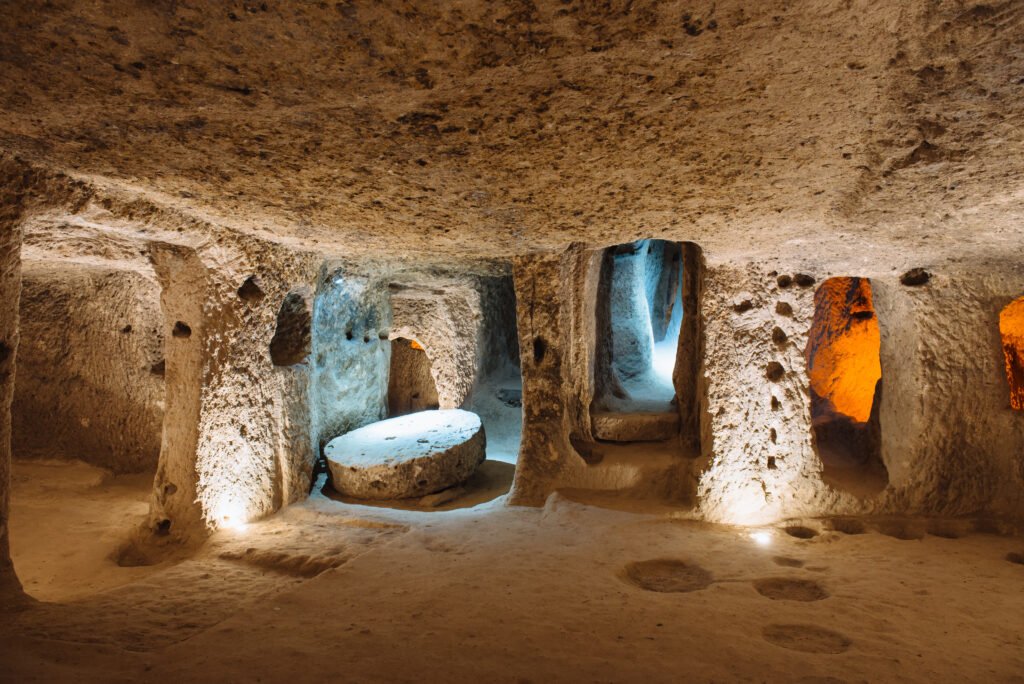
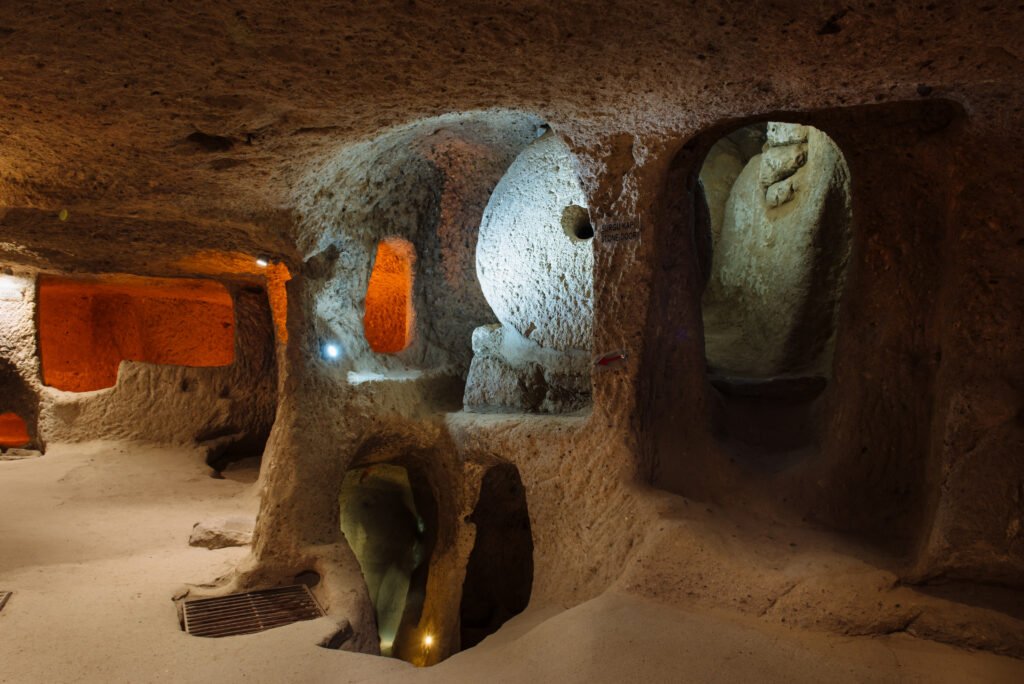
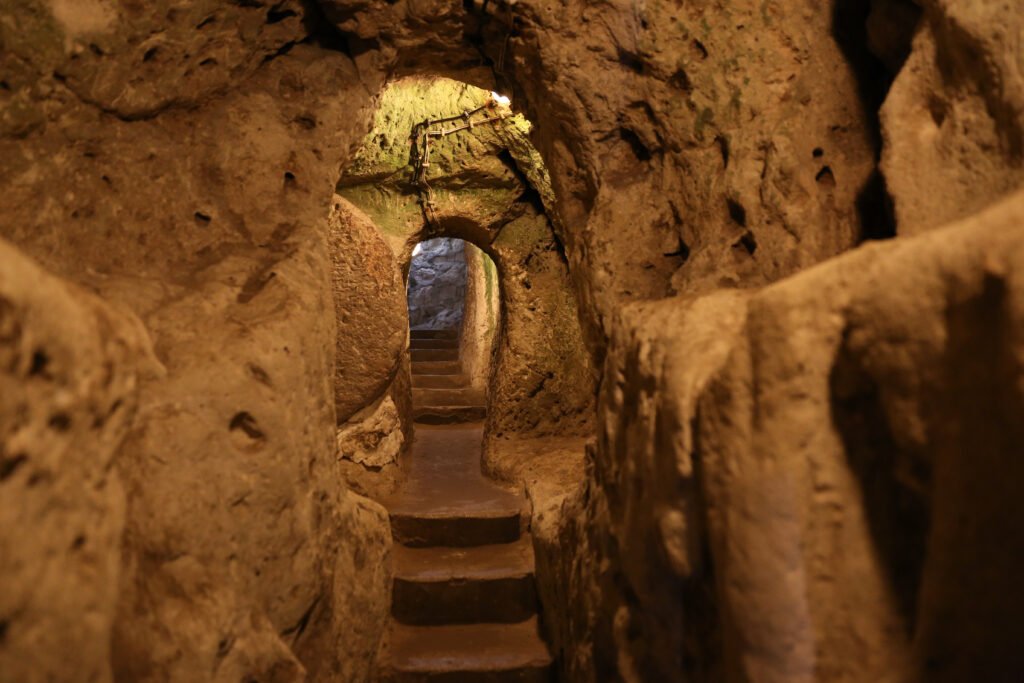
On arrival, visit the underground city of Kaymakli, a multi-level settlement carved into soft rock, used as a place of refuge during times of persecution. The network of tunnels, storage rooms, and living spaces reflects the defensive needs and communal life of early Christian populations.
Continue to the Göreme Open-Air Museum, a monastic complex where a number of rock-cut churches preserve early Christian art and worship spaces. Among the notable churches visited are the Dark Church (Karanlık Kilise), known for its well-preserved frescoes due to limited light exposure; the Apple Church (Elmalı Kilise), featuring scenes from the life of Christ; the Snake Church (Yılanlı Kilise), named after its fresco depicting St. George and the dragon; and the St. Barbara Church (Azize Barbara Kilisesi), recognized for its symbolic red-ochre decorations. These churches provide insight into the theological expression and daily religious life of early monastic communities.
Lunch:
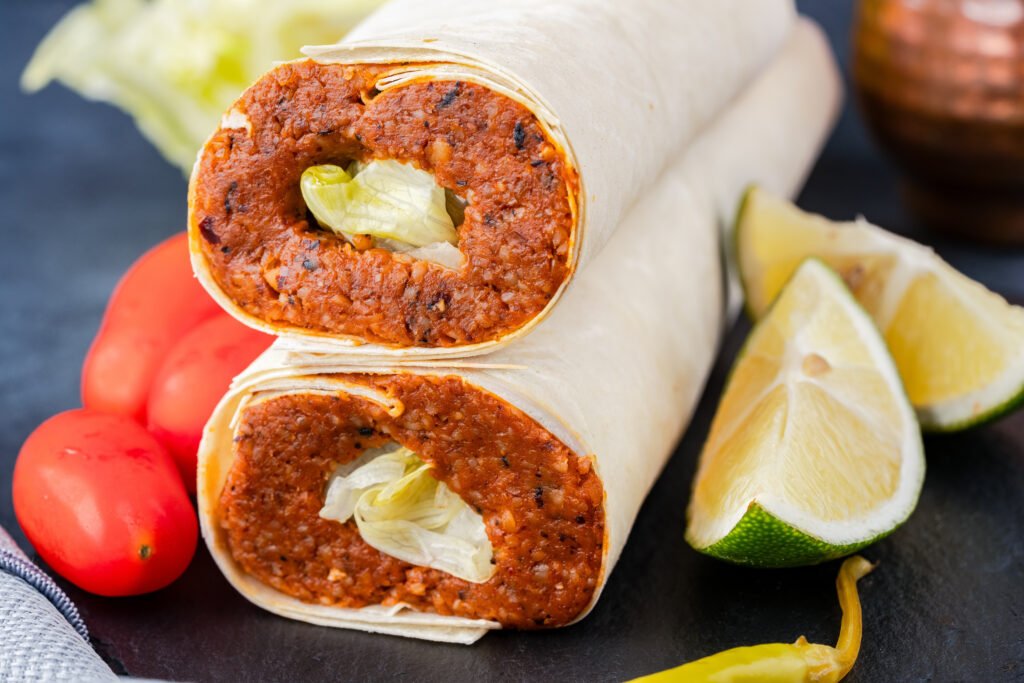
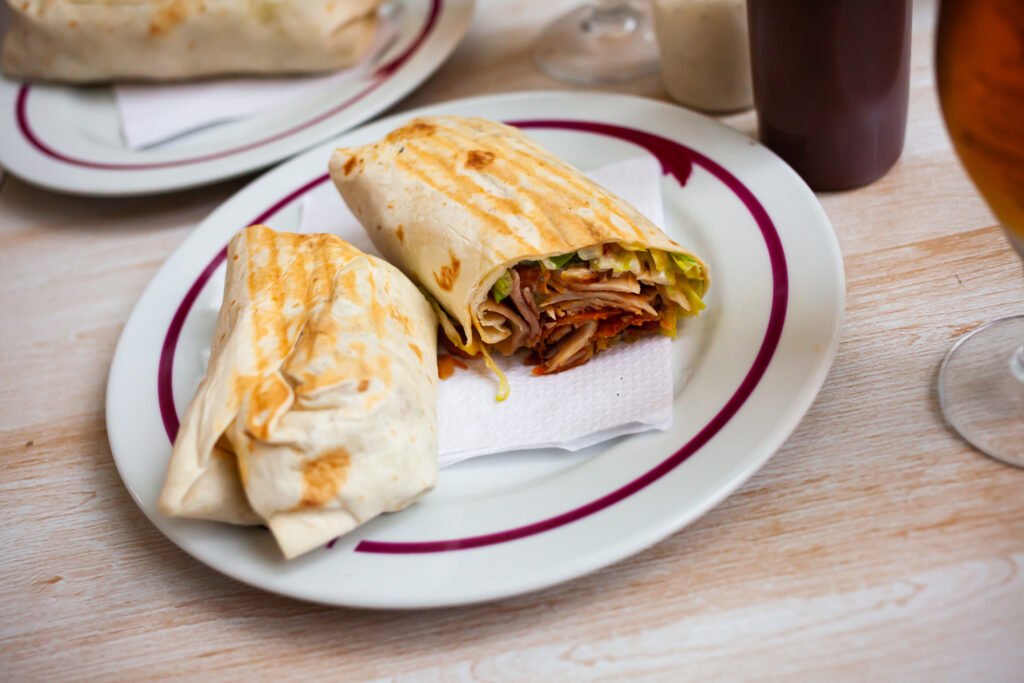
Dürüm – Grilled meat wrapped in thin flatbread with fresh vegetables, commonly prepared as a practical meal during travel.
Dinner:
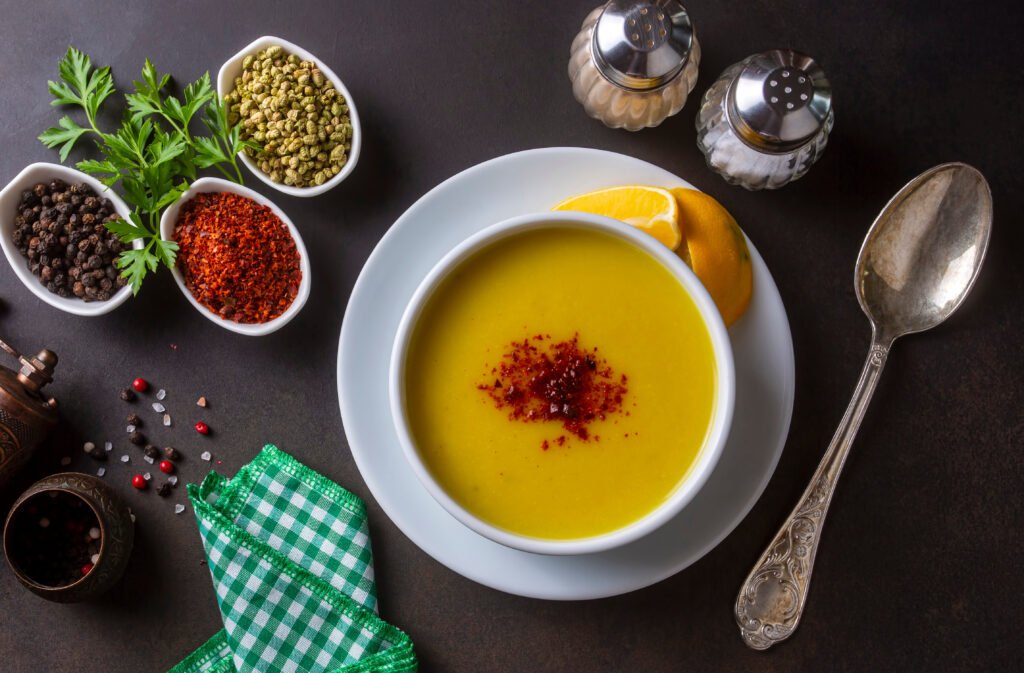
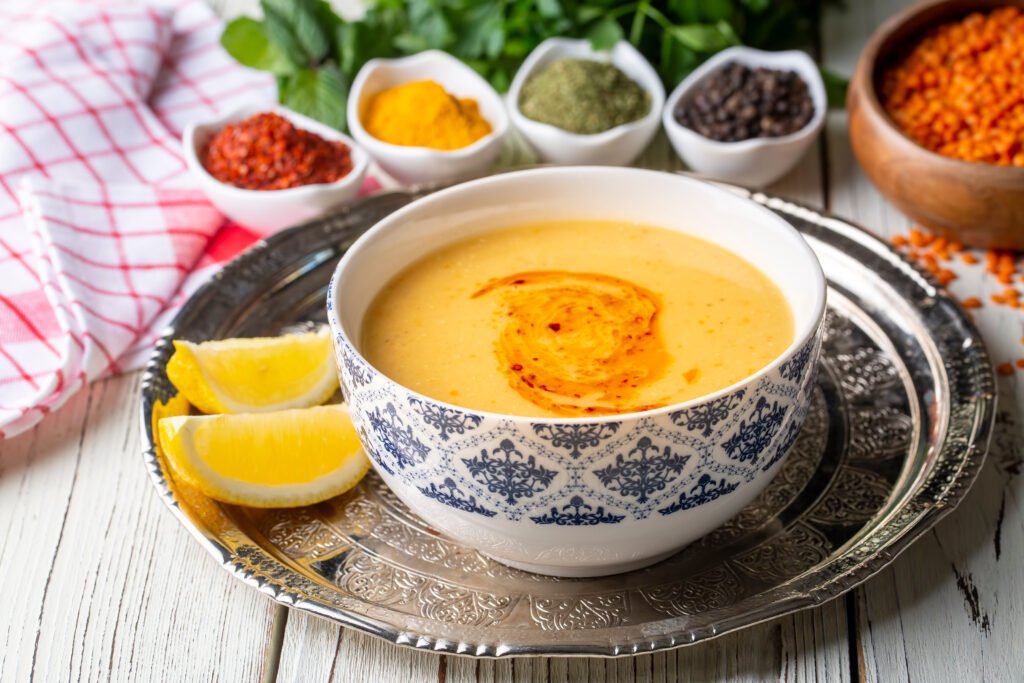
Mercimek Çorbası – Lentil soup, commonly served at the beginning of meals across Turquie.
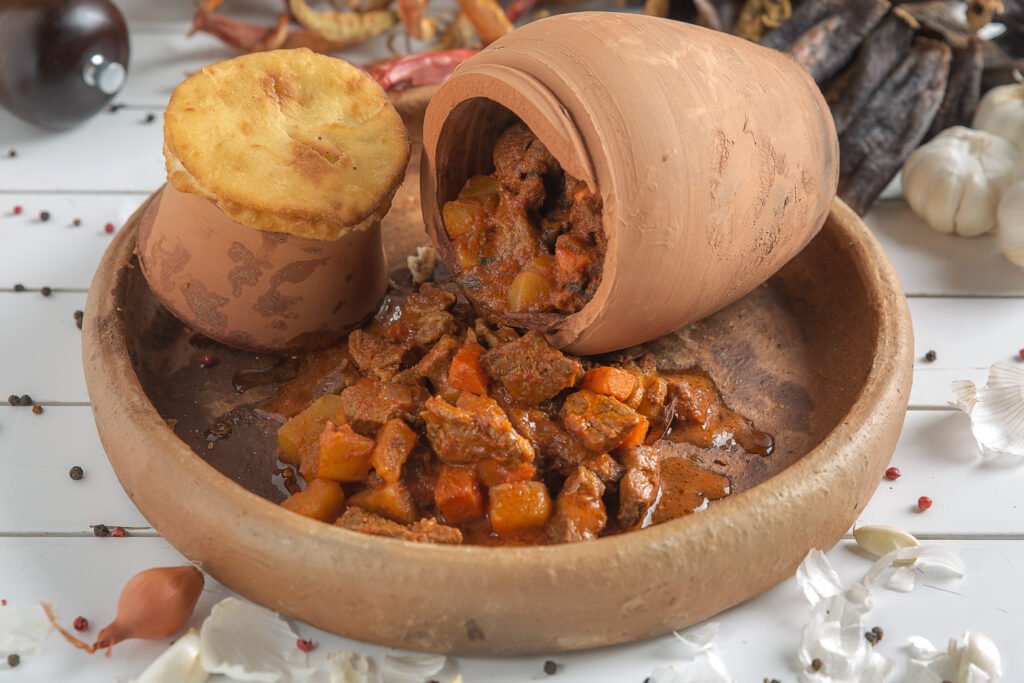
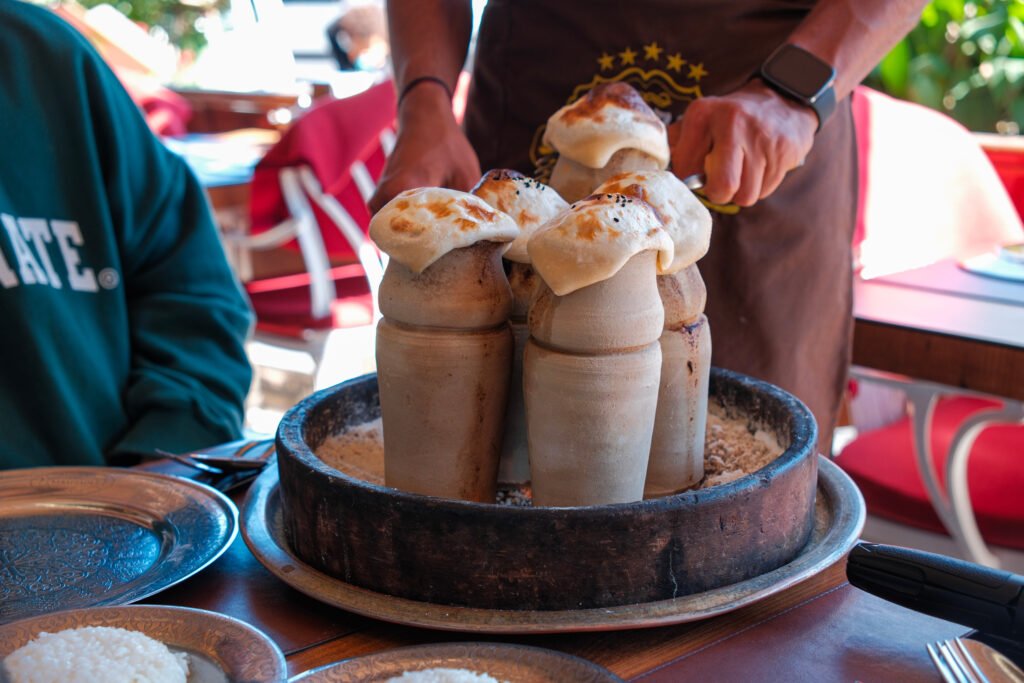
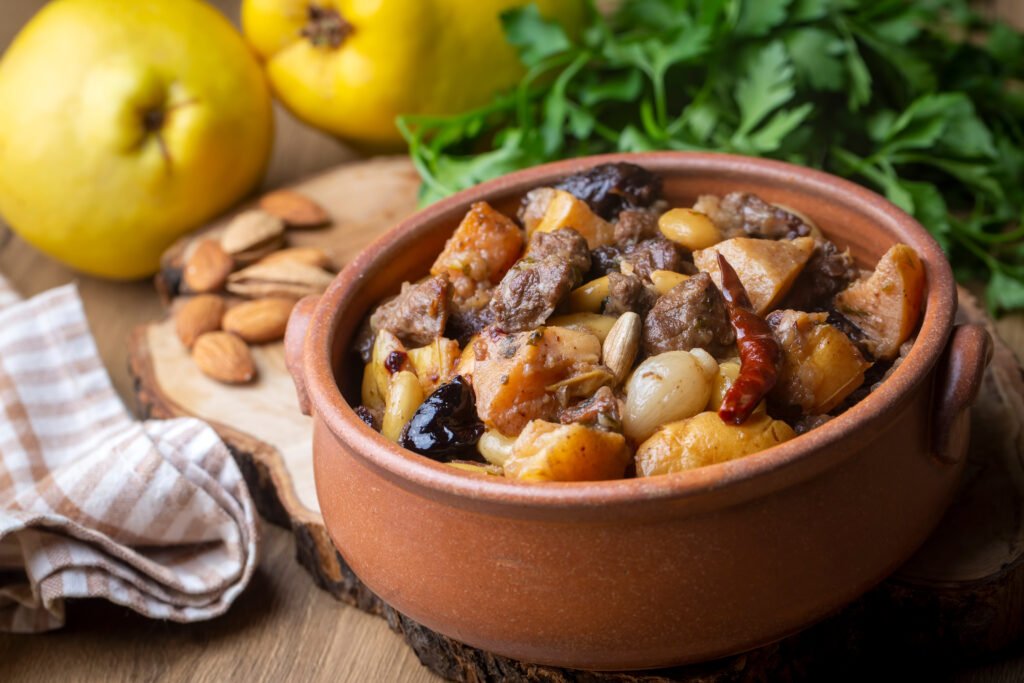
Testi Kebabı – Meat and vegetables slow-cooked in a sealed clay pot, a traditional Cappadocian method where the pot is opened before serving.
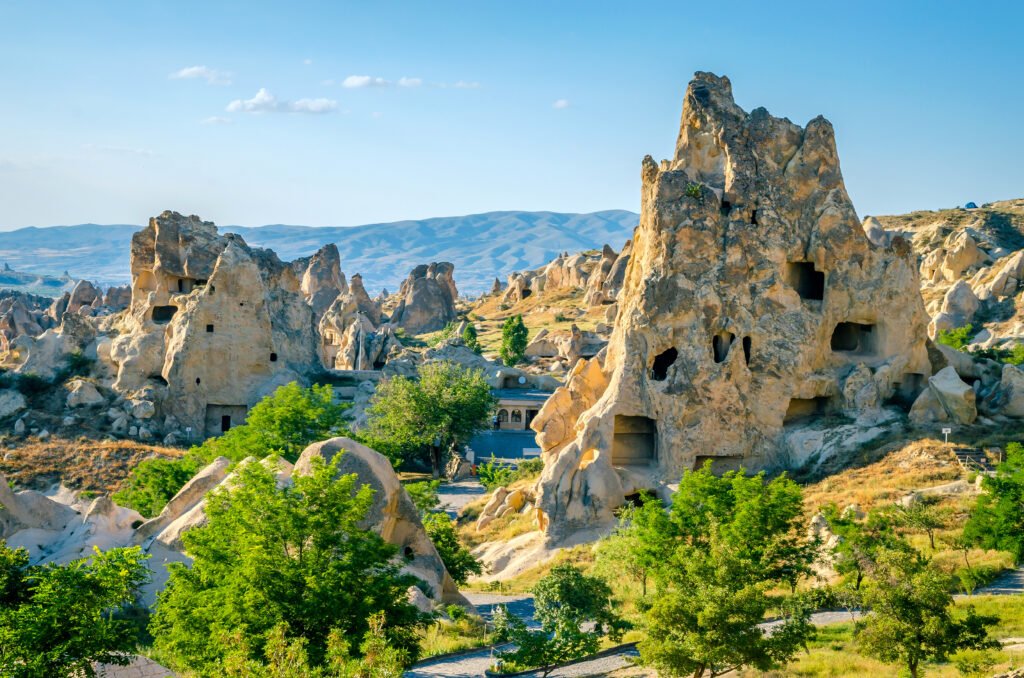
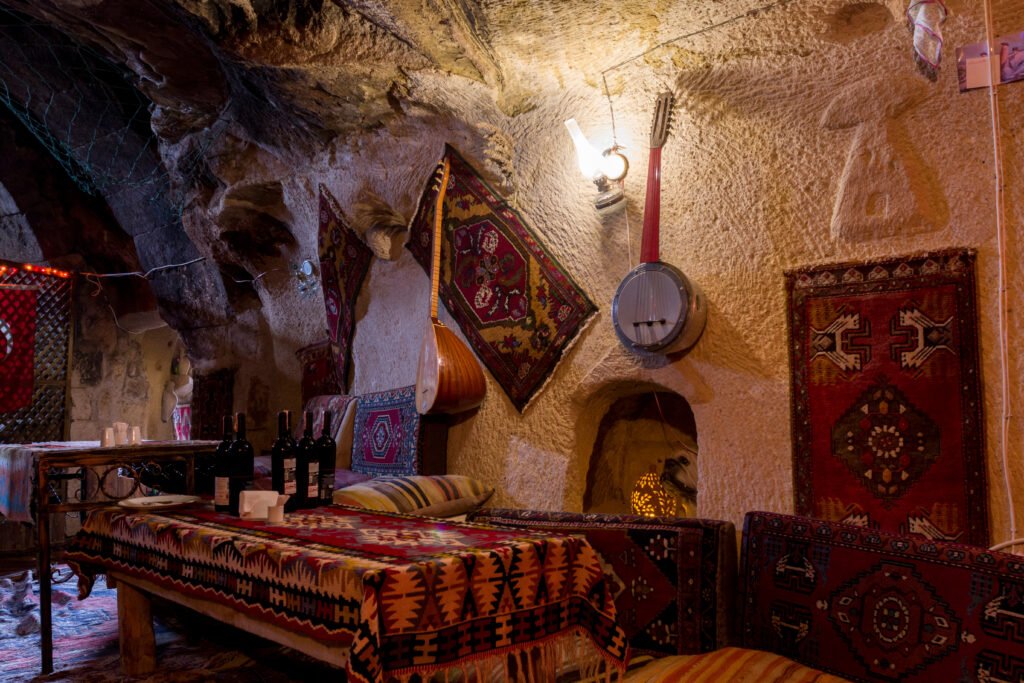
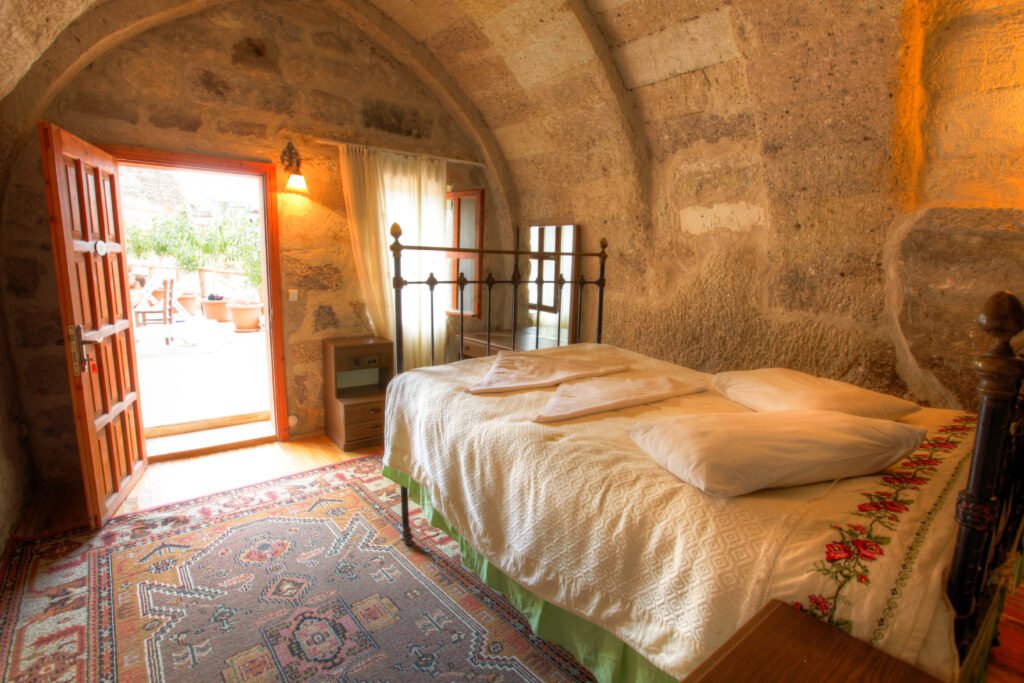
Transfer: Uchisar – Avanos | 10 km | approx. 15 mins
Transfer: Pigeon Valley – Cappadocia Hotel | approx. 10 km | 15–20 mins
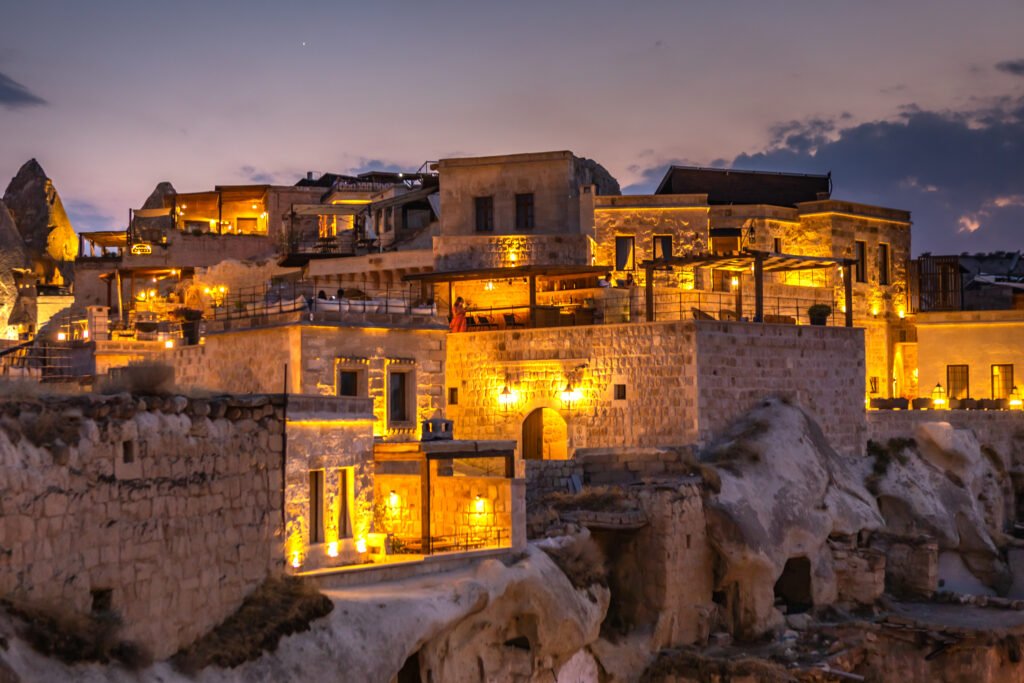
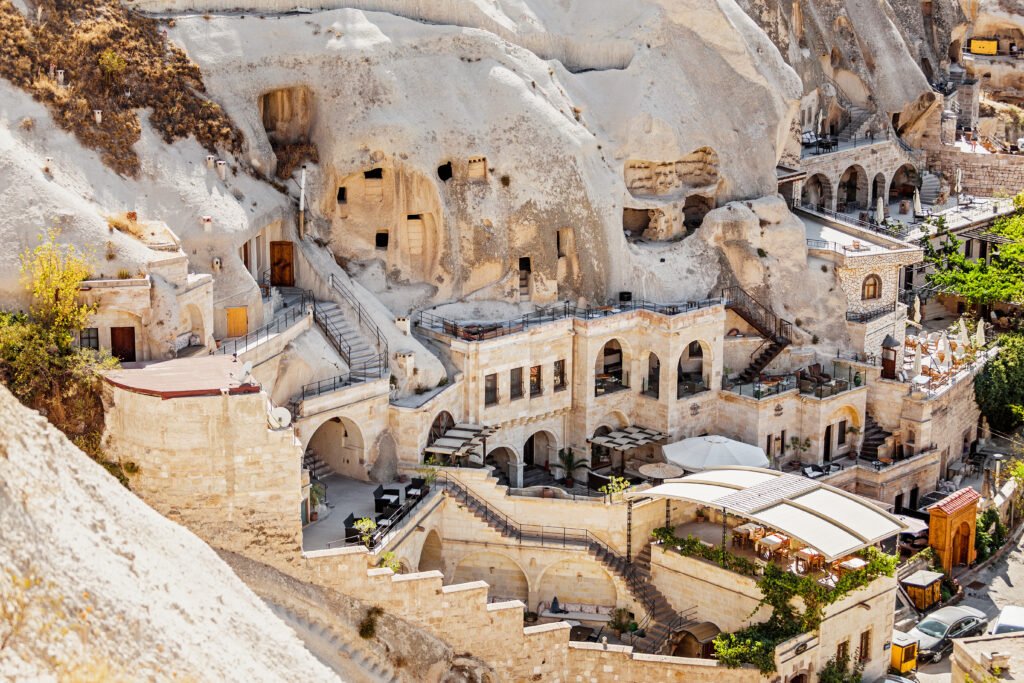
No long-distance transfers for the day. Local exploration within Cappadocia, allowing a more relaxed pace to experience the landscape and cultural elements of the region.
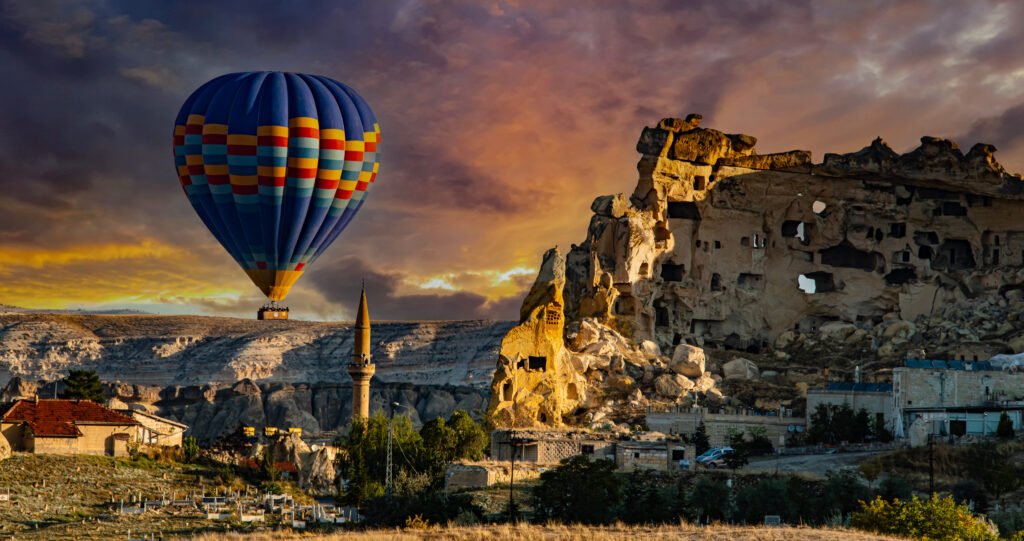
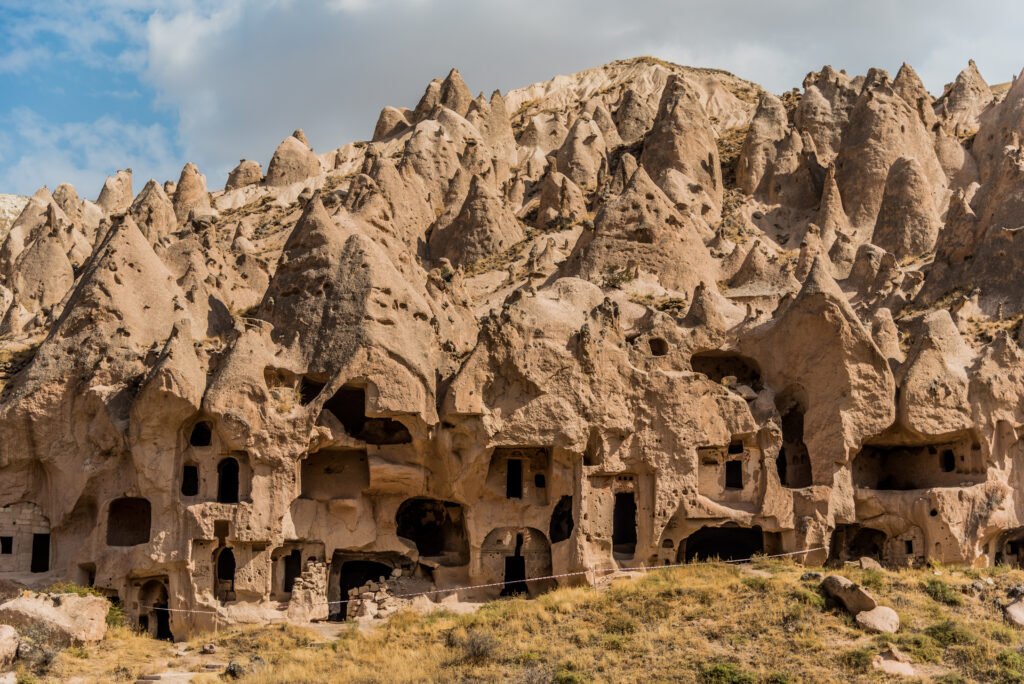
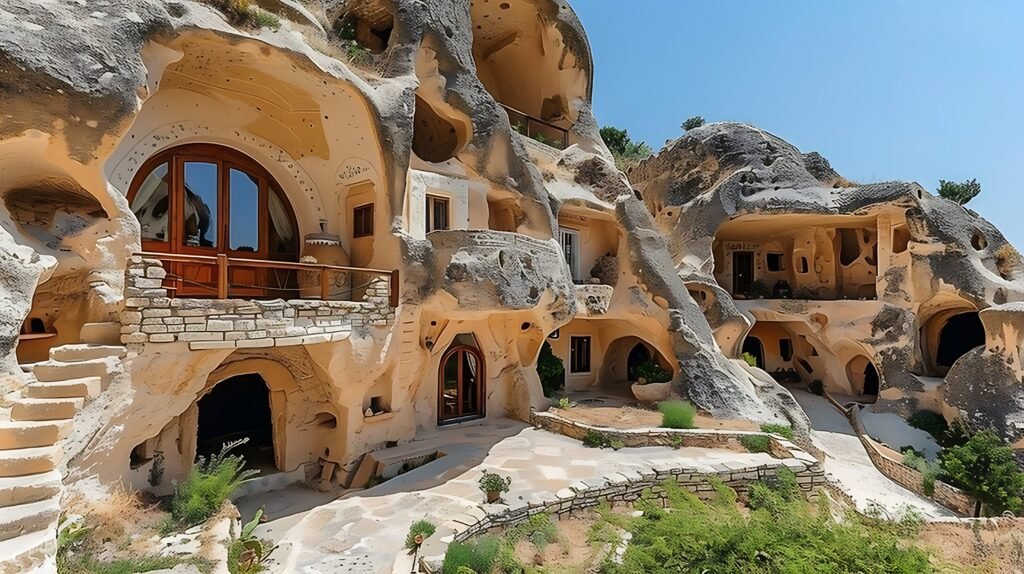
An early morning optional hot air balloon experience offers a view over the volcanic terrain shaped by erosion. The valleys, rock formations, and cave dwellings reflect a region where natural formations supported early Christian monastic life.
Proceed to Uchisar Castle, the highest point in Cappadocia, offering wide views across the valleys and surrounding settlements. Continue to Avanos, a town located along the Red River and known for its long-standing pottery tradition. Visit a local workshop where traditional pottery-making techniques are demonstrated, reflecting a craft practiced in the region for generations.
Lunch:
Gözleme – Thin flatbread prepared with simple fillings such as cheese, spinach, or potatoes, cooked on a griddle and served fresh.
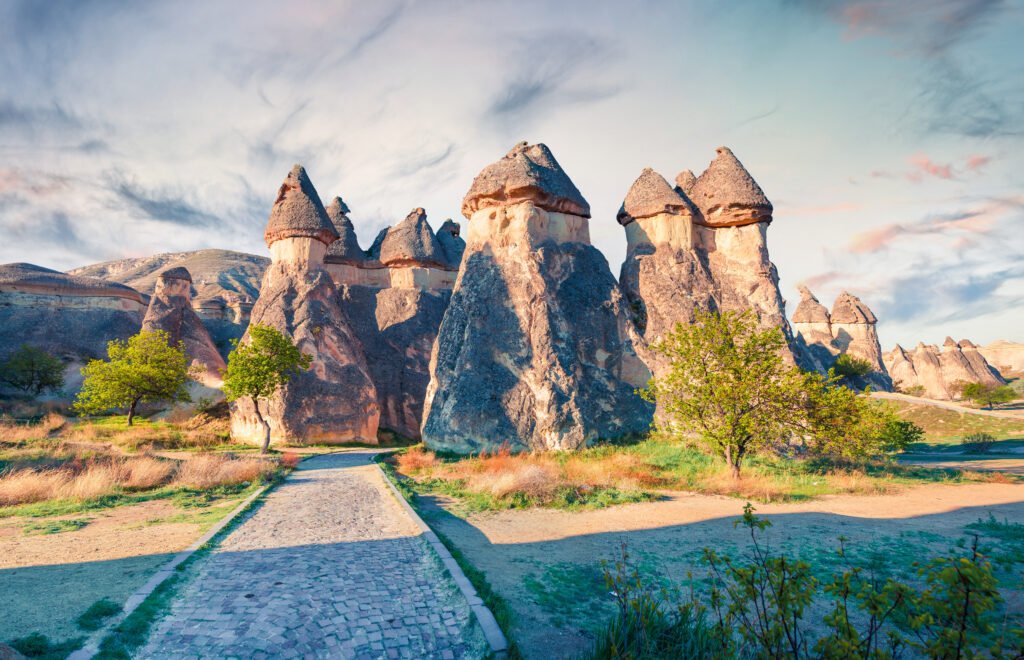
Continue to Devrent Valley, where natural rock formations resemble animals and abstract shapes formed through erosion. Proceed to Pasabag (Monks Valley), known for its distinctive fairy chimneys with multiple caps, once used by hermits for retreat and isolation.
Continue to Pigeon Valley viewpoint, where rock faces are carved with pigeon houses that were historically used to support agriculture. The valley offers a broad perspective of the region’s terrain and settlement patterns.
Return to the hotel.
Dinner:
Kuzu Güveç – Lamb cooked slowly in a clay pot with vegetables, reflecting traditional Anatolian cooking methods.
Pilav – Rice preparation served as a staple accompaniment to main dishes.
Sütlaç – Rice pudding, lightly baked and served as a common dessert across the region.



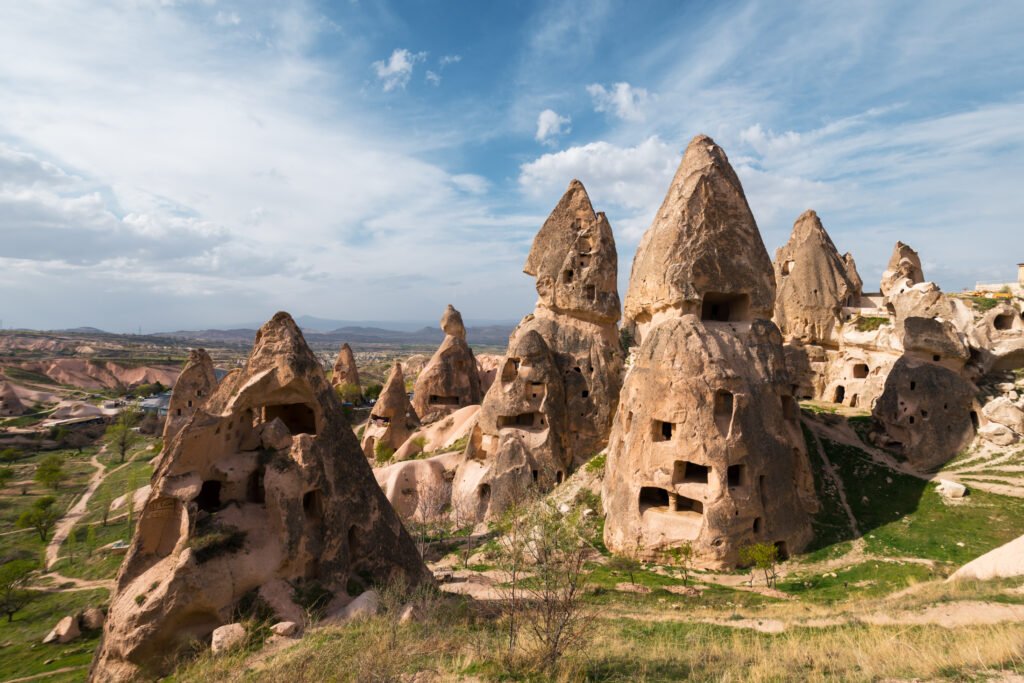
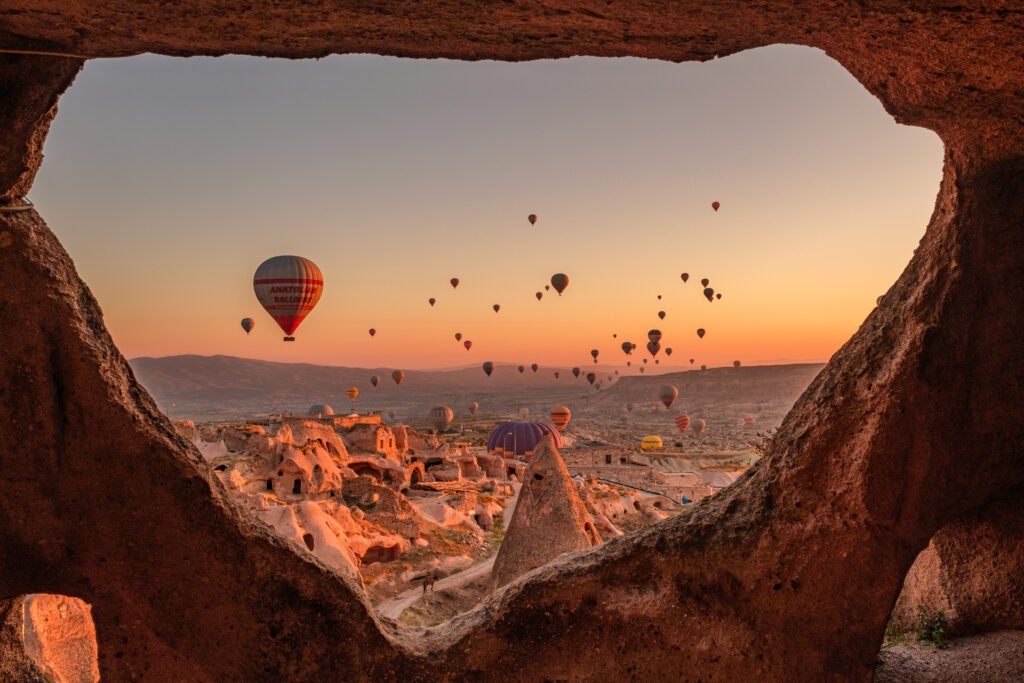
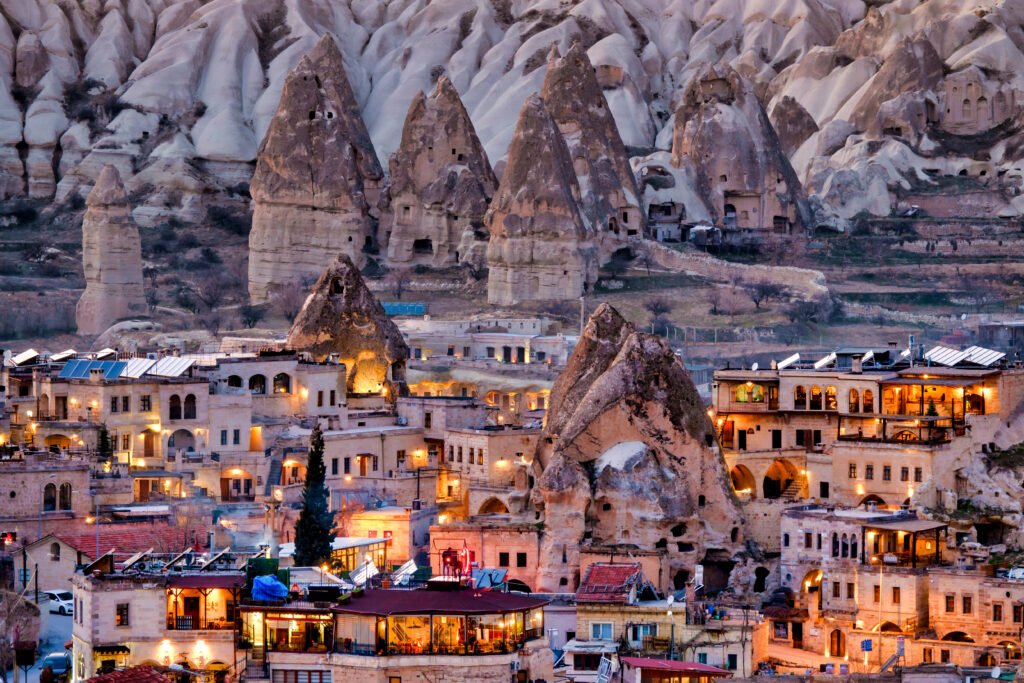
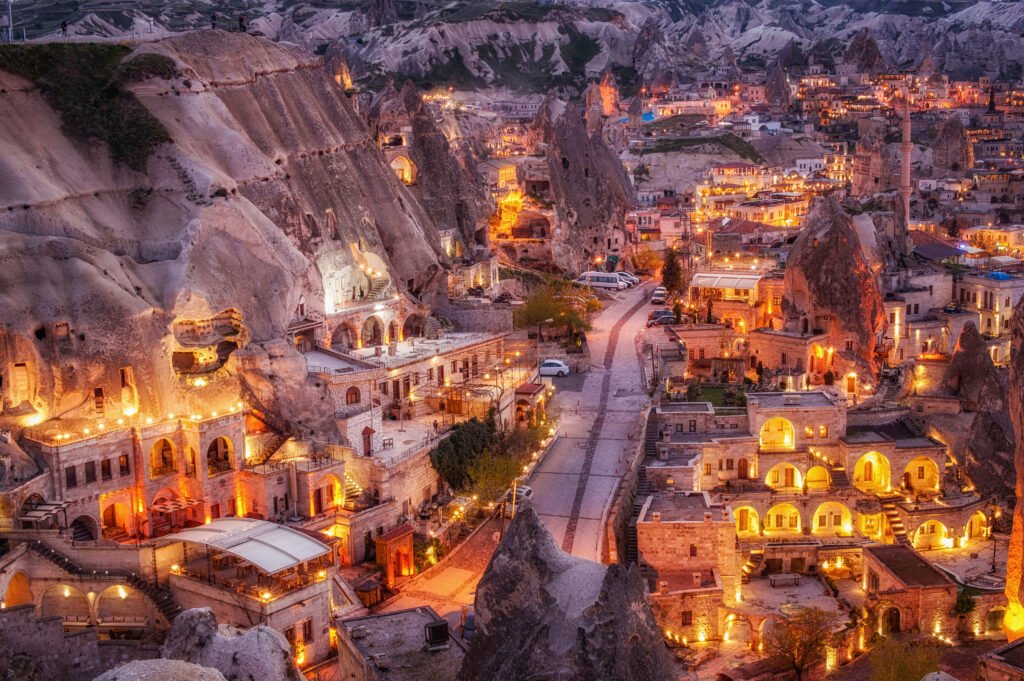
Depart Cappadocia and travel south toward the Cilician plains, where the landscape gradually shifts from volcanic formations to fertile lowlands. The route follows an important historical corridor linking central Anatolia with the Mediterranean region.
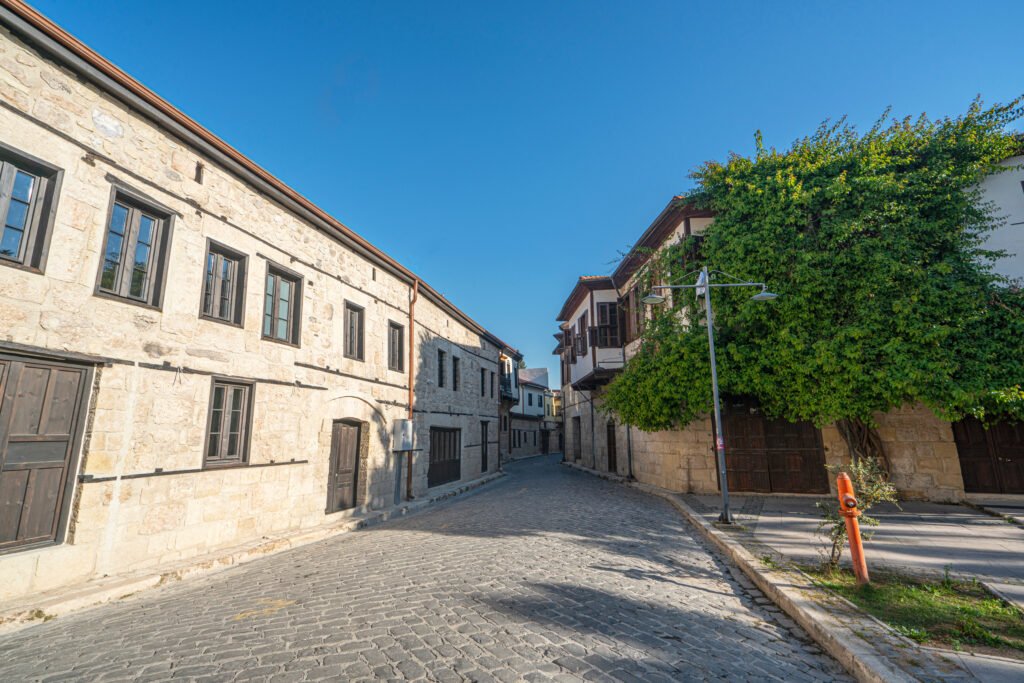
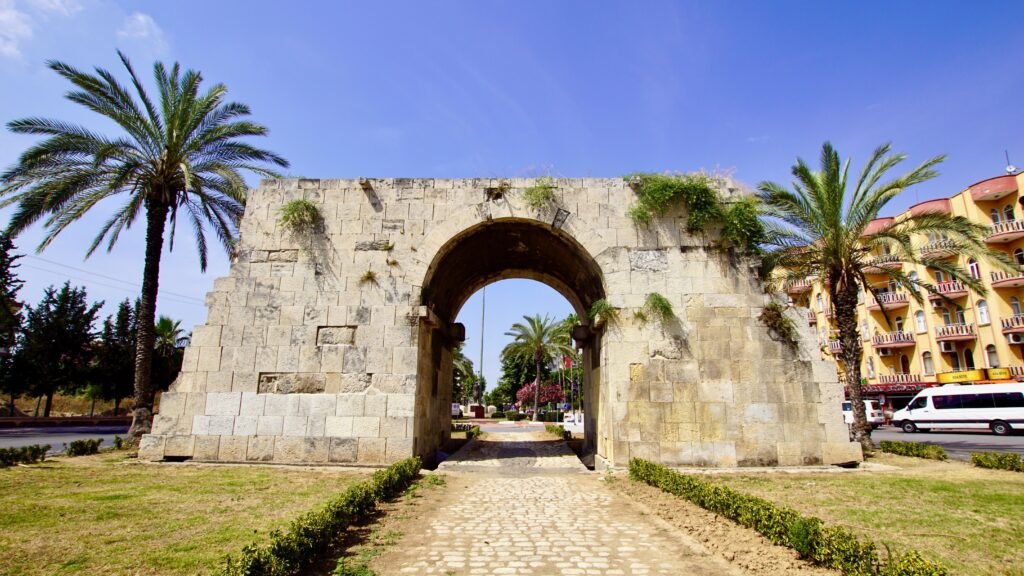
Arrive in Tarsus, the birthplace of St. Paul, one of the most influential figures in early Christianity. Visit key sites associated with his life, including the area traditionally identified with his birthplace and the historic well often referred to as St. Paul’s Well. The city reflects layers of Roman, early Christian, and later cultural influences, offering context to the environment in which St. Paul was raised.
Lunch:
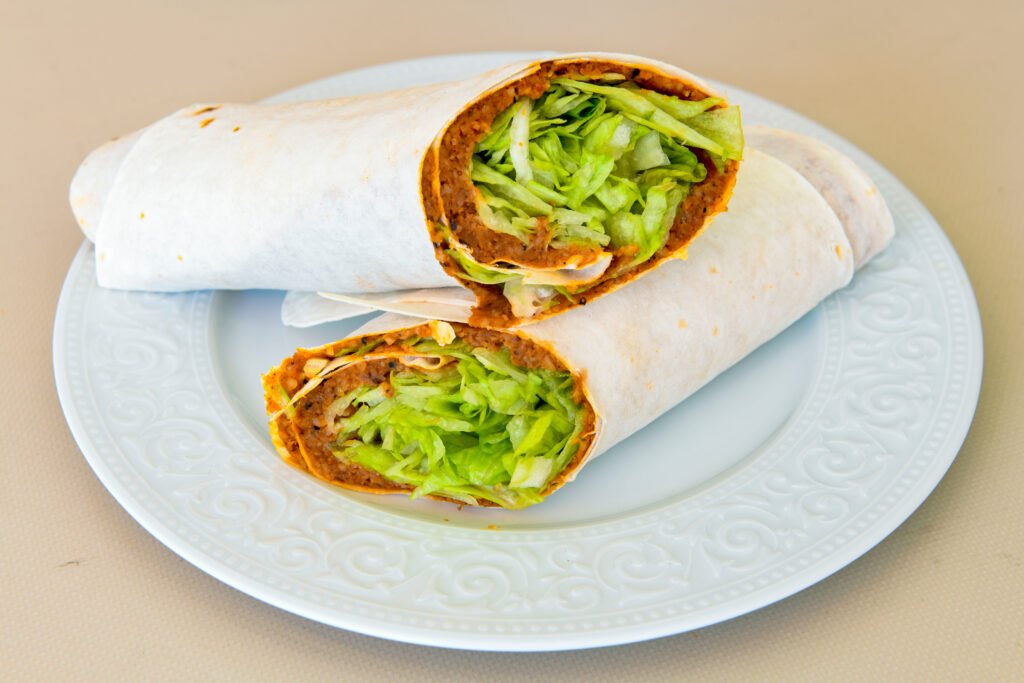
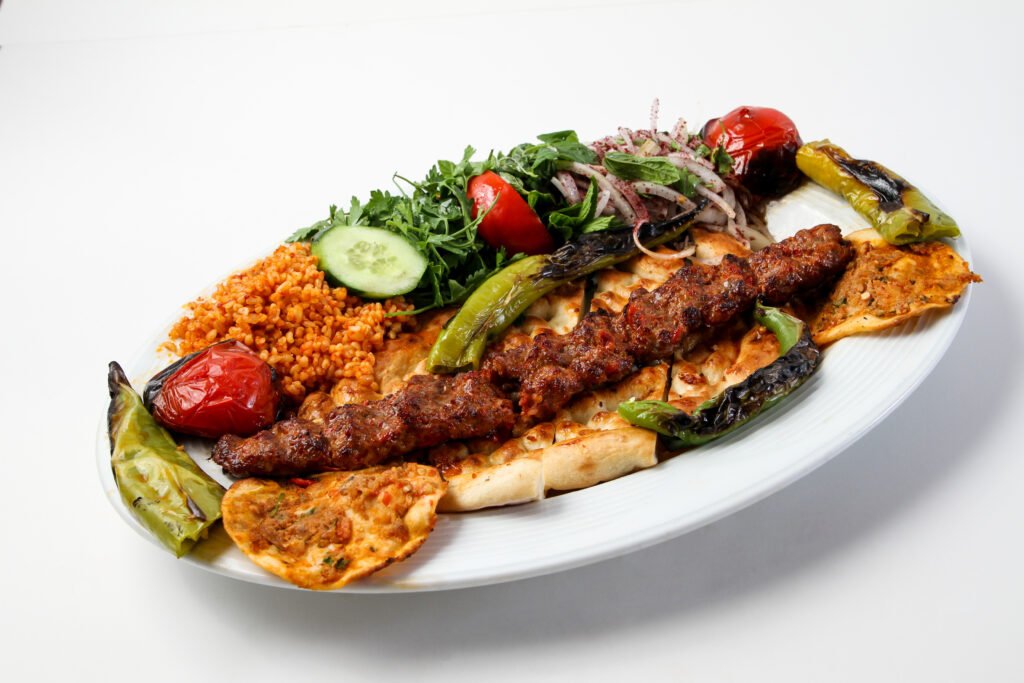
Adana Dürüm – Thin flatbread wrapped around spiced minced meat grilled over charcoal, served with fresh herbs and vegetables, reflecting the culinary traditions of southern Turquie.
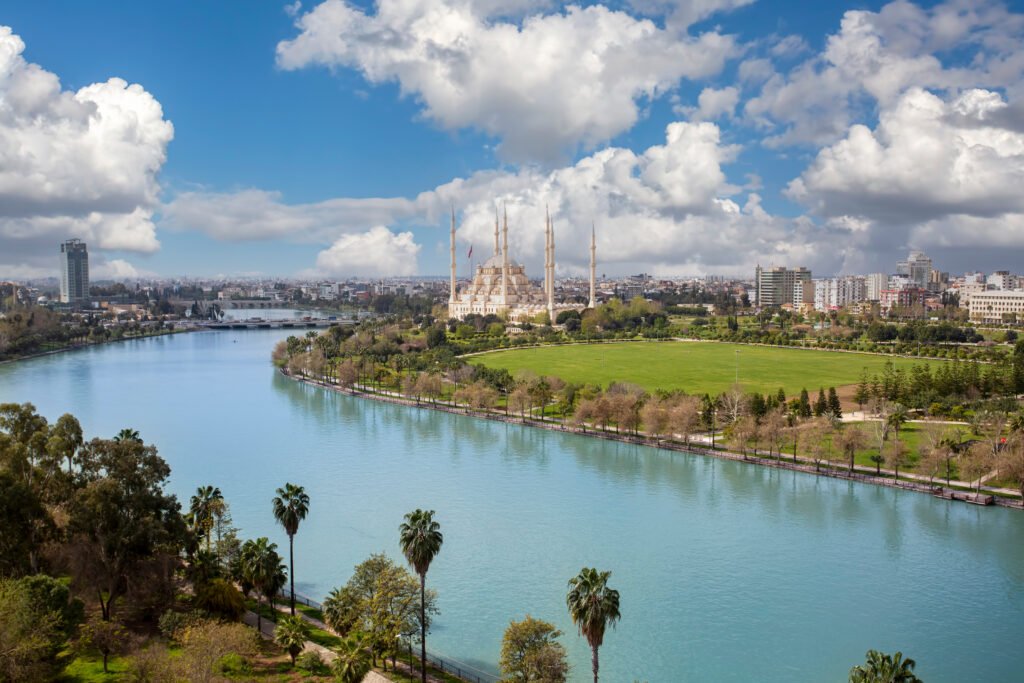
Continue to Adana, located along the Seyhan River, a city known for its agricultural richness and strong culinary identity rooted in regional traditions.
Dinner:
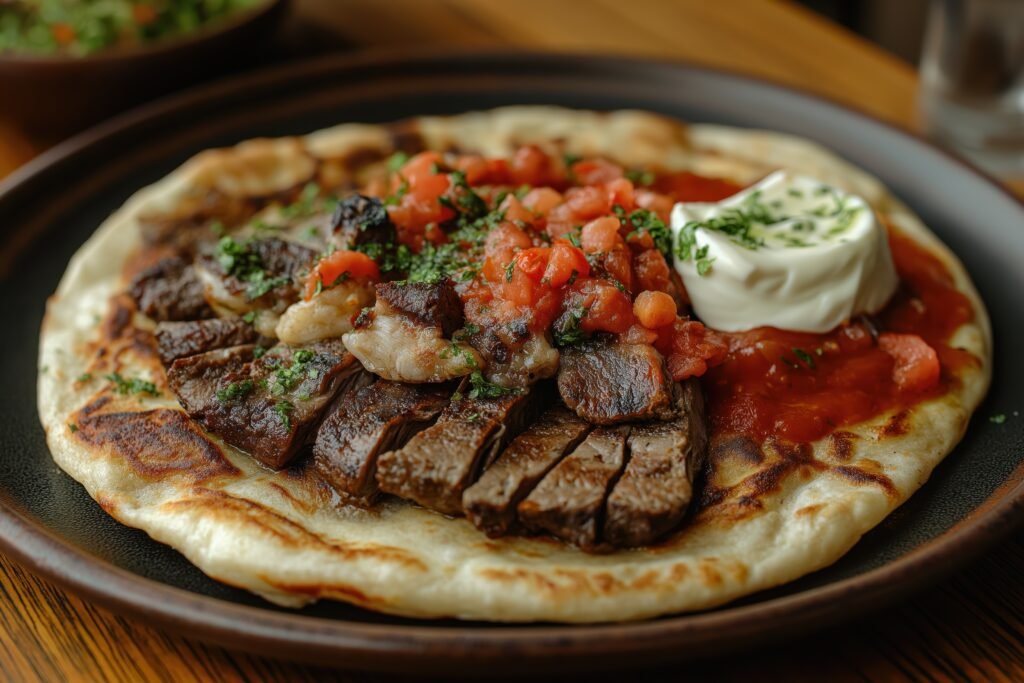
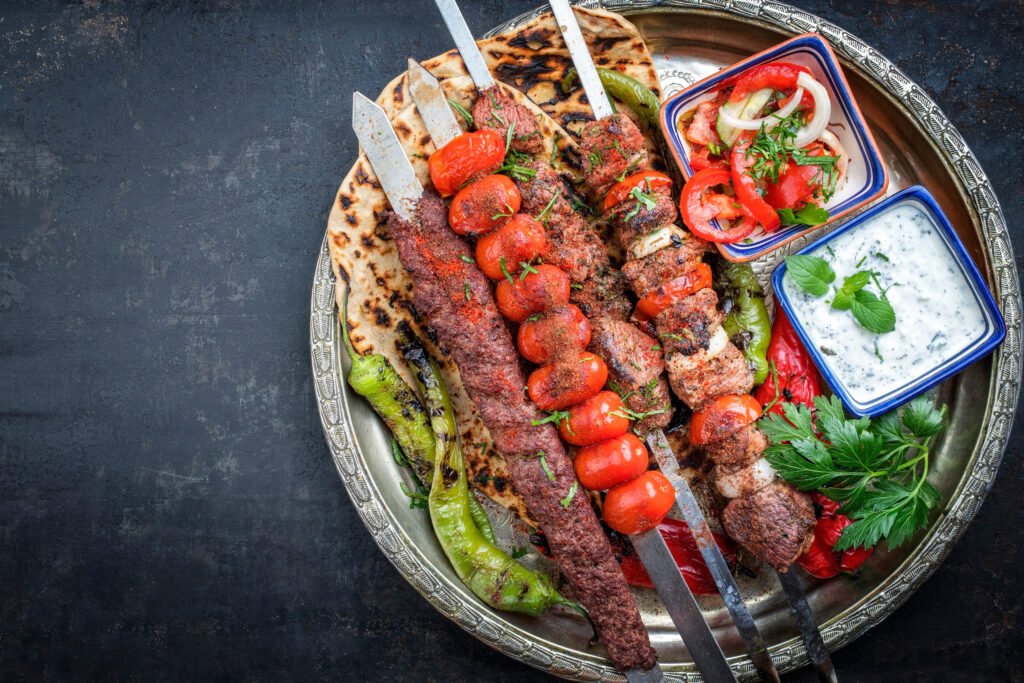
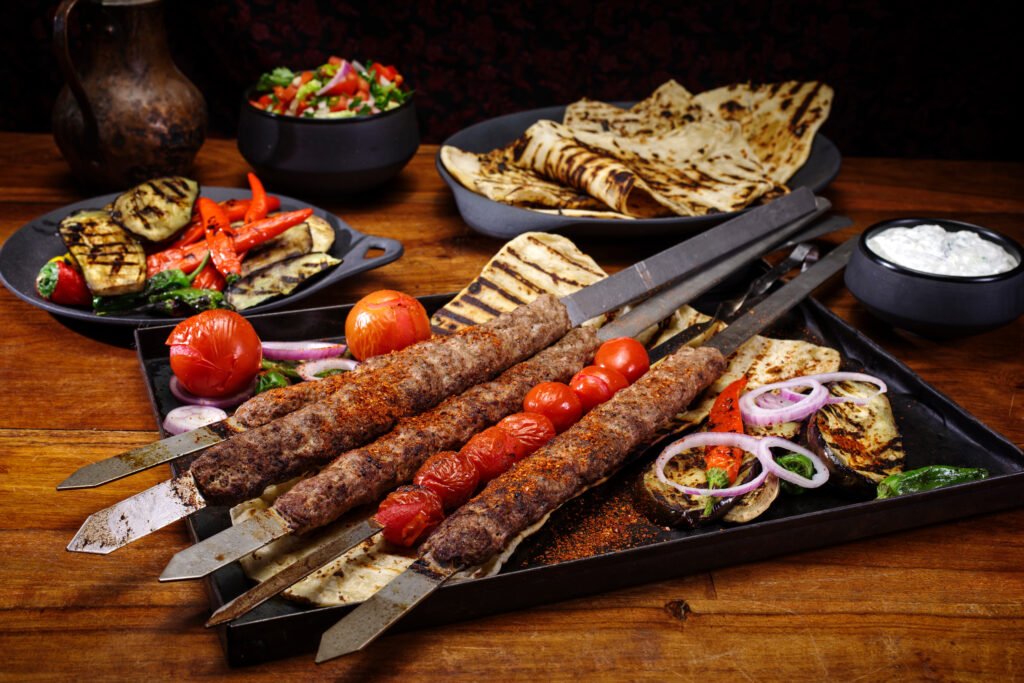
Adana Kebab – Spiced minced lamb skewered and grilled over charcoal, a signature dish of the region known for its distinct seasoning.
Şalgam – Fermented turnip juice, traditionally served as an accompaniment to grilled meats in this region.
Künefe – Dessert made with fine pastry layers and soft cheese, soaked in syrup and served warm.
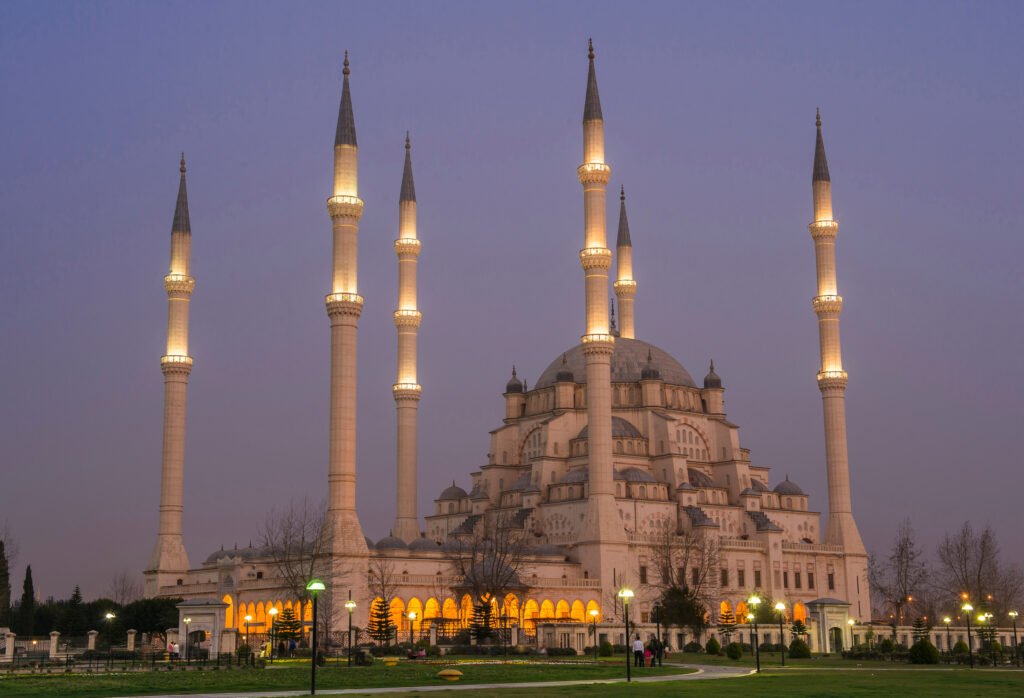
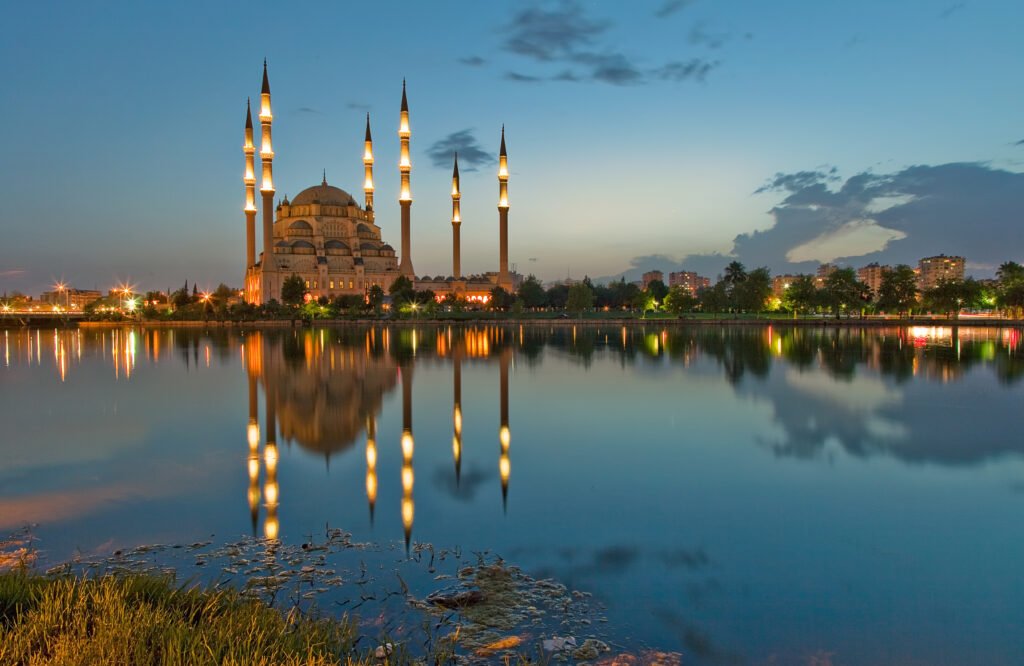
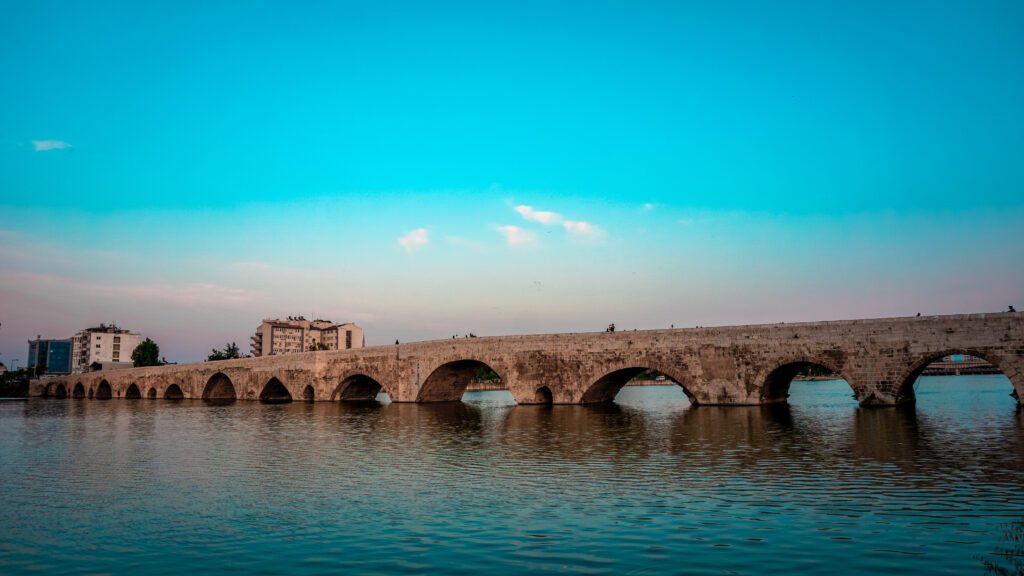
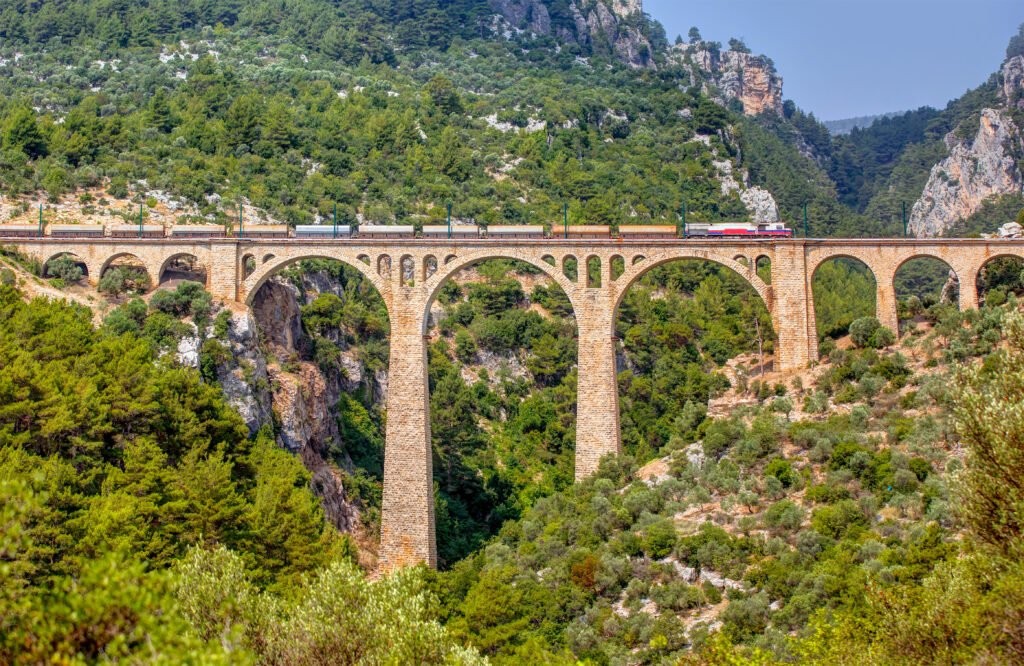
Transfer: Adana – Antakya | 190 km | approx. 3 hrs
Transfer: Antakya – Hatay Airport | approx. 25 km | 40 mins
Flight: Hatay – Istanbul (after 19:00 hrs)
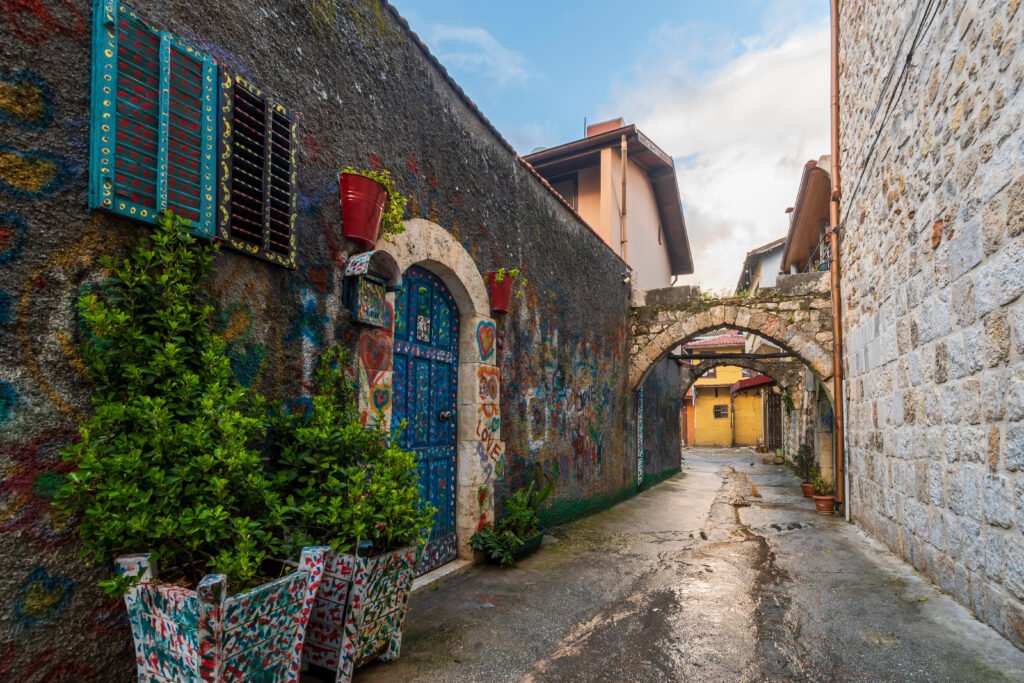
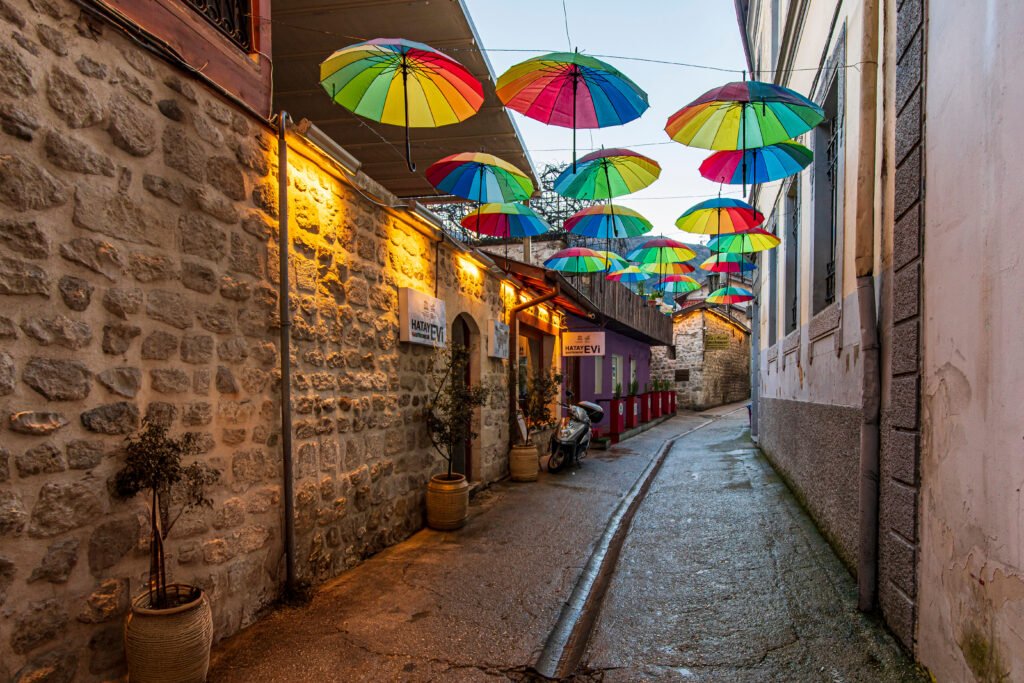
Depart Adana and proceed to Antakya, ancient Antioch on the Orontes, one of the most important centers of early Christianity. The journey leads into a region shaped by centuries of cultural exchange, reflected both in its history and its cuisine.
Antioch holds particular significance as the place where the followers of Christ were first called “Christians.” It was here that St. Paul and Barnabas taught and established one of the earliest organized Christian communities. From this city, their missionary journeys expanded across Asia Minor, making Antioch a principal base in the spread of early Christianity.
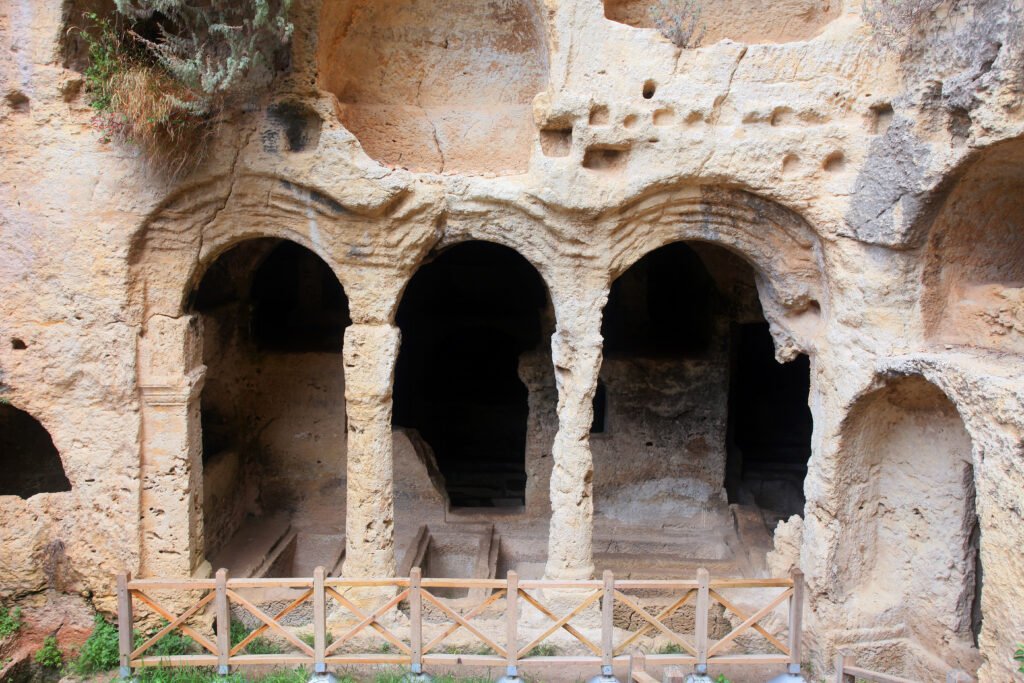
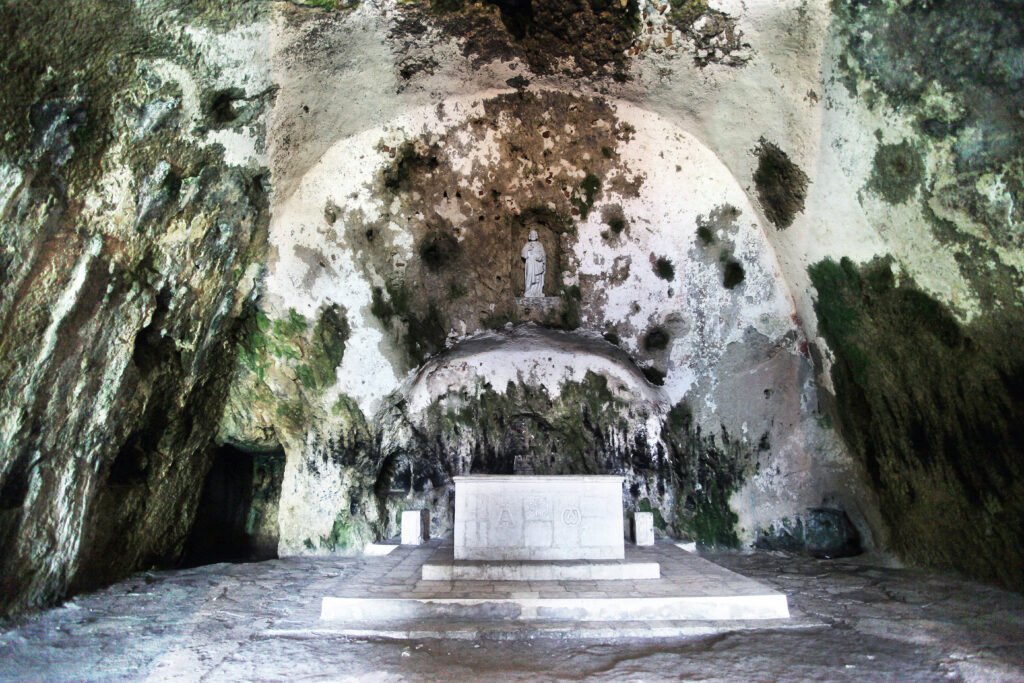
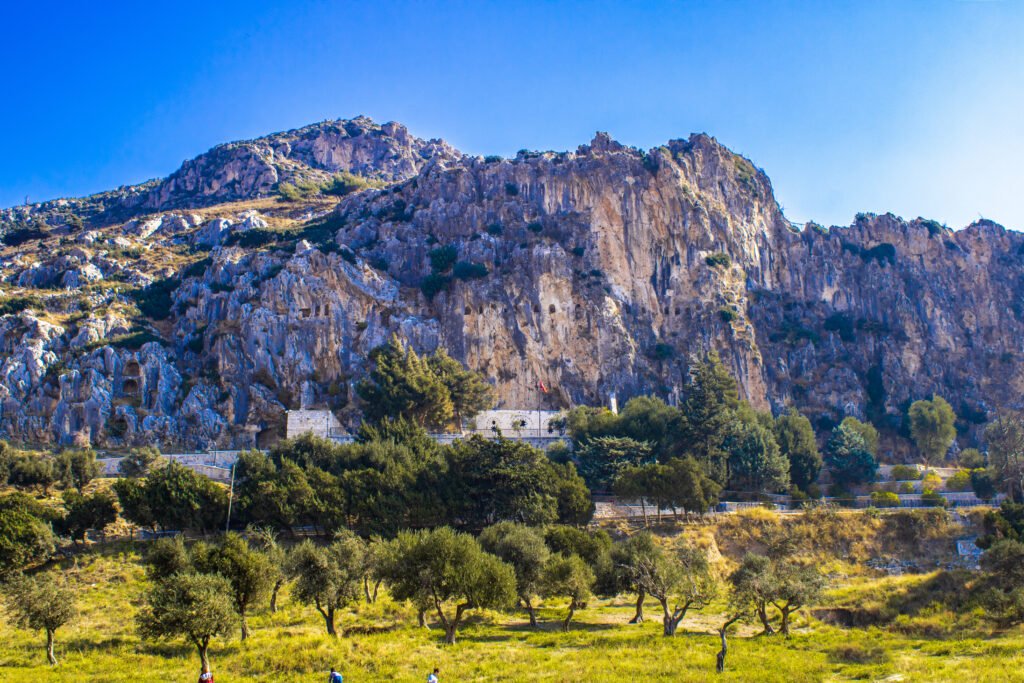
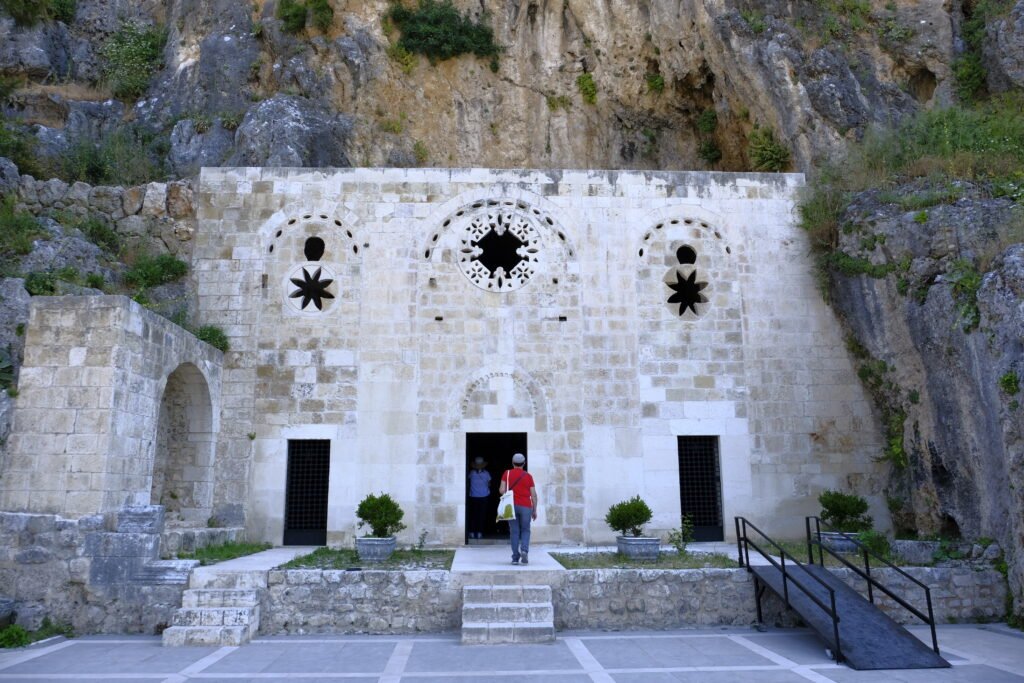
Visit the Cave Church of St. Peter, regarded as one of the earliest places of Christian worship. Carved into the mountainside, the site reflects the conditions under which early believers gathered, offering insight into the formative years of the Church.
Lunch:
Hatay (Antakya) is actually a UNESCO-recognized gastronomy region, with a cuisine shaped by multiple civilizations and known for its balance of spices, acidity, and richness.
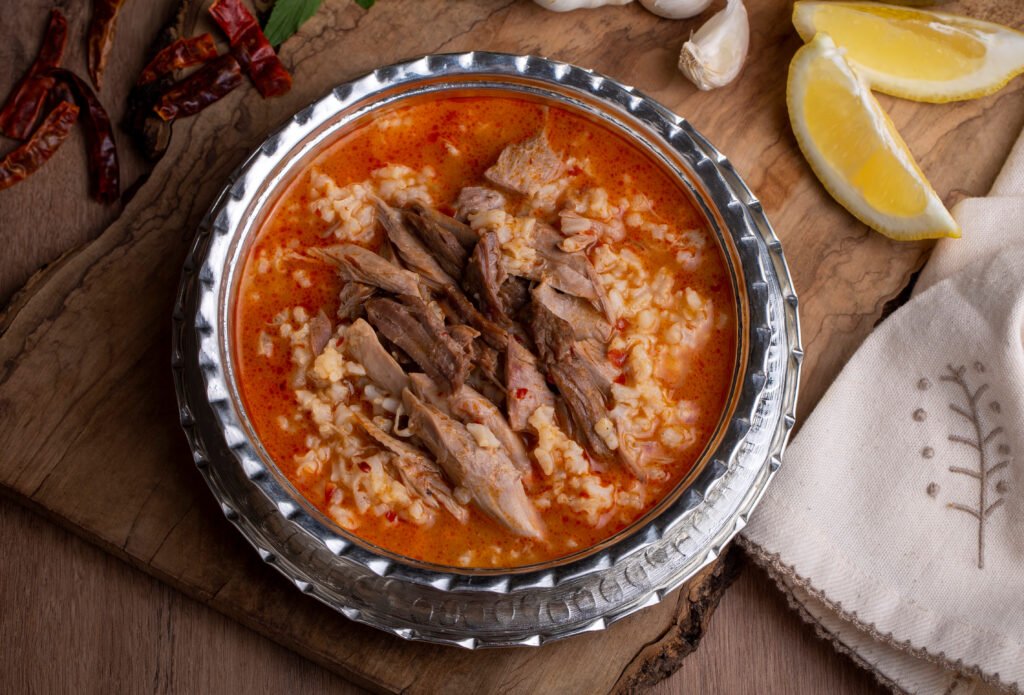
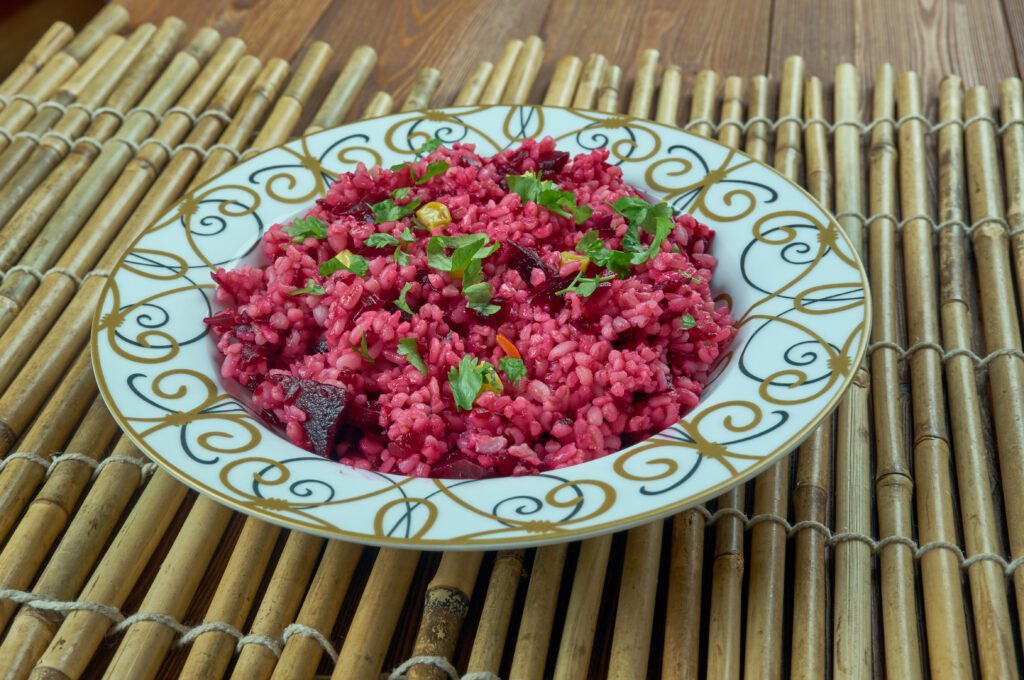
Ekşi Aşı Çorbası – A hearty soup enriched with pomegranate molasses, giving it a distinct tangy flavor, often combined with grains and small bulgur dumplings.
Tepsi Kebabı – Minced meat mixed with herbs and spices, spread in a tray and baked in a stone oven, a signature dish of Antakya households.
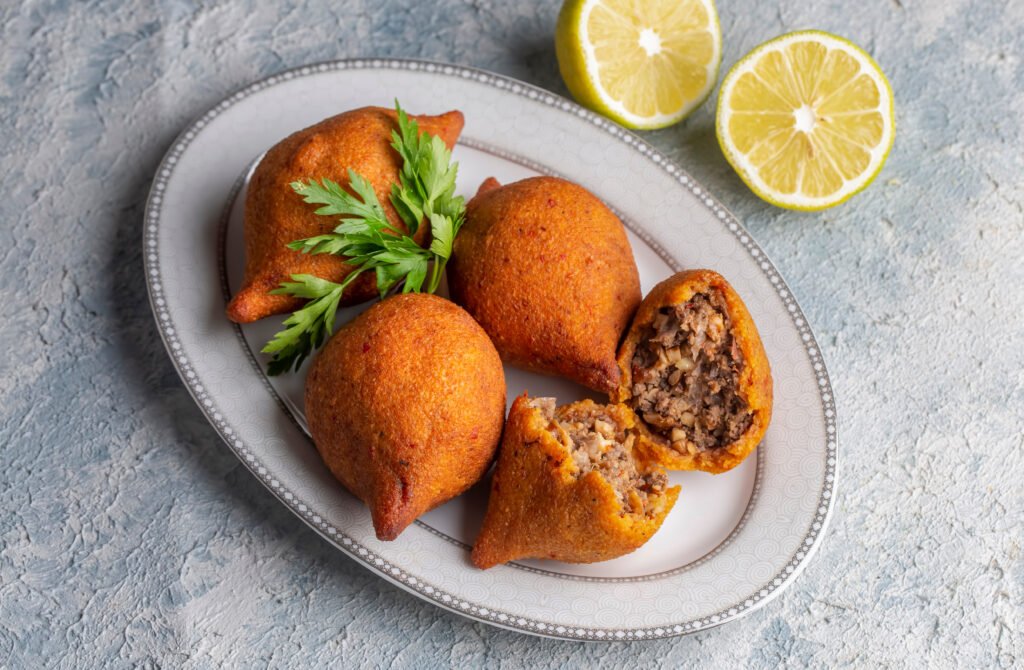
İçli Köfte (Oruk) – Bulgur shells stuffed with spiced minced meat, either fried or baked, reflecting the Levantine influence on the region’s cuisine.
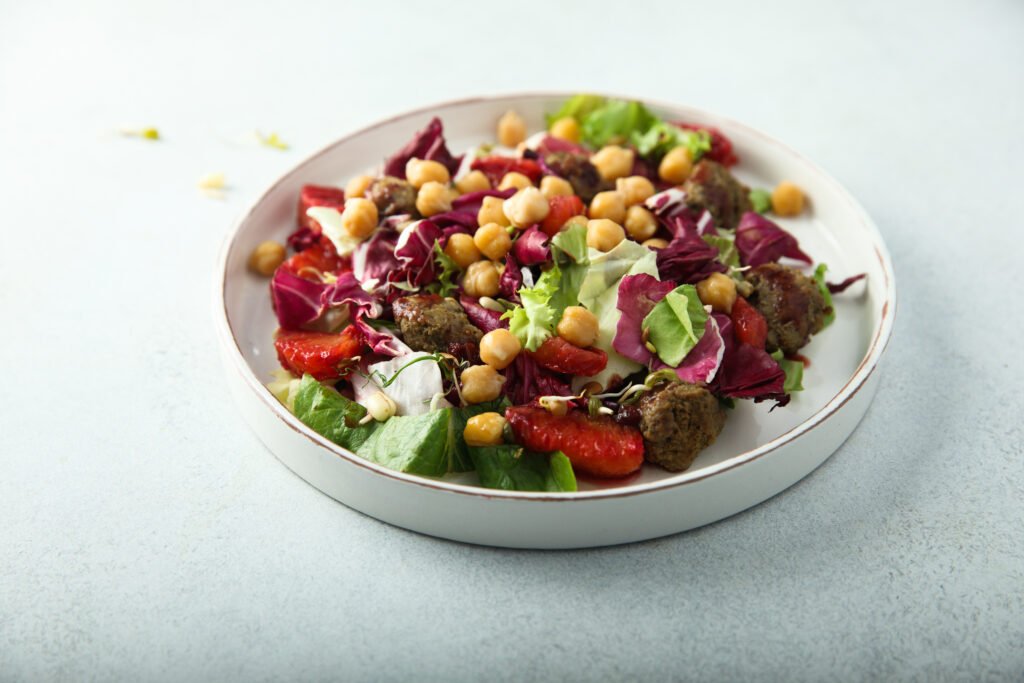
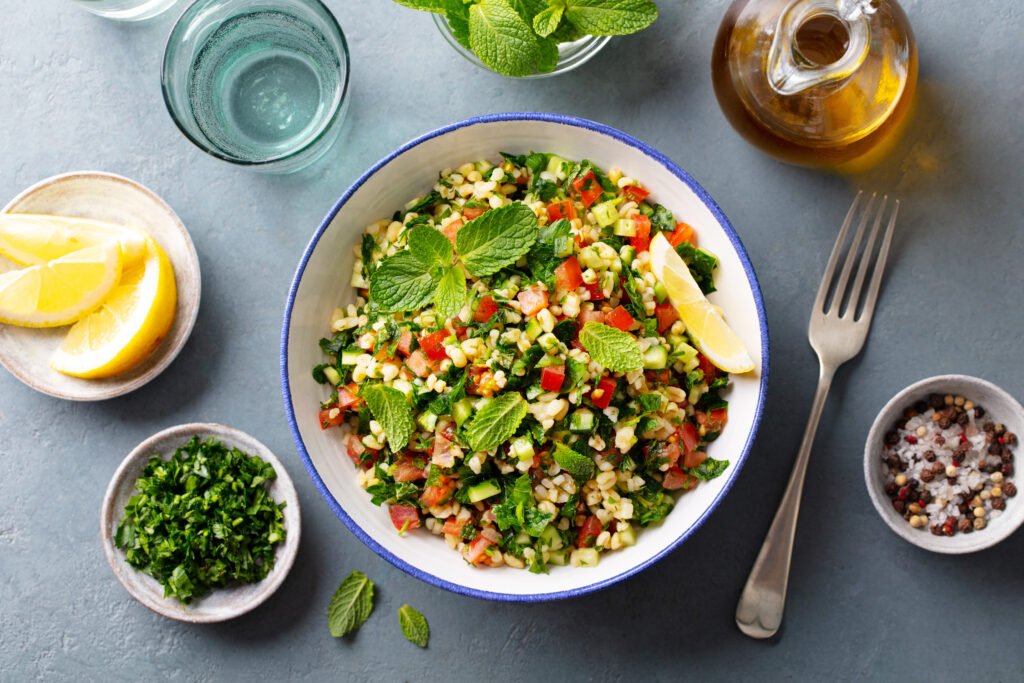
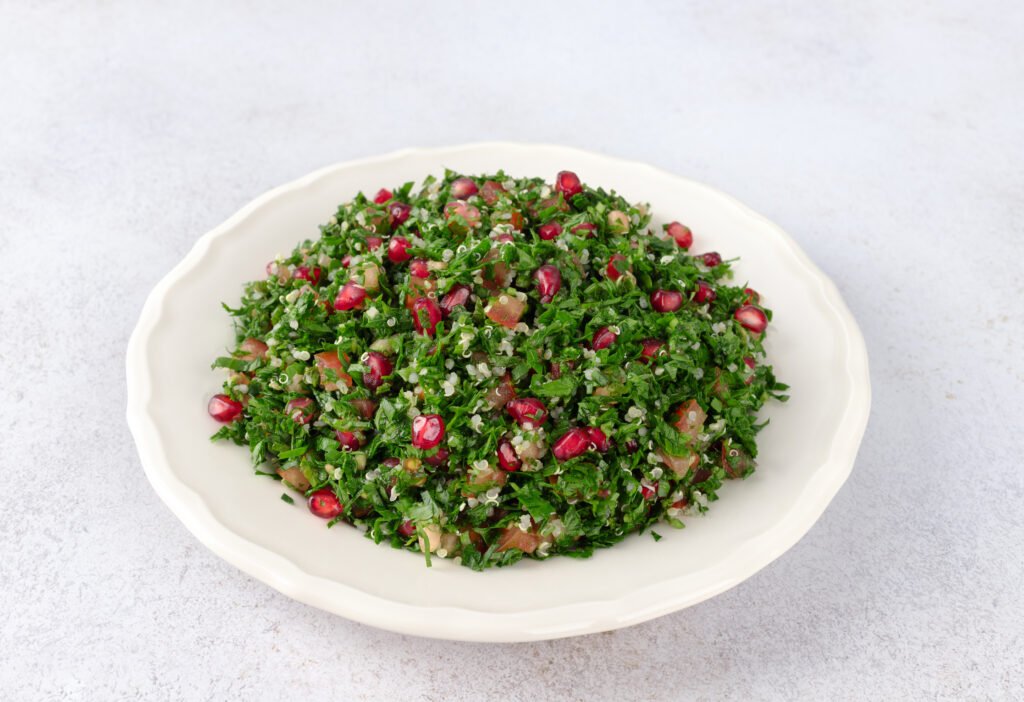
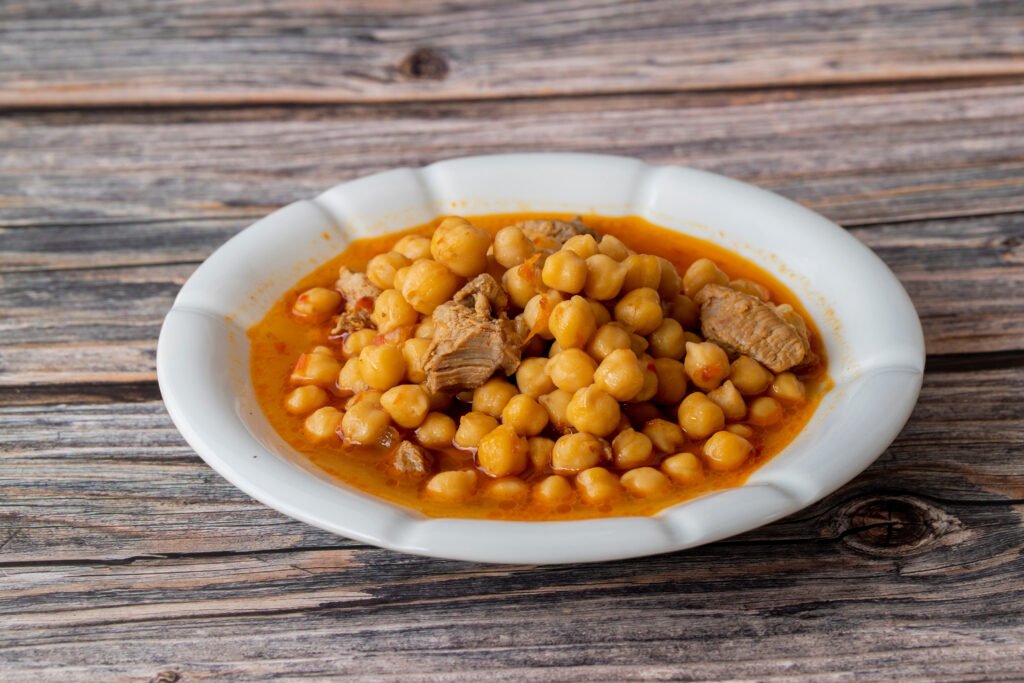
Humus & Zahter Salad – Chickpea dip and herb-based salad seasoned with local spices, showcasing the region’s use of fresh ingredients and herbs.
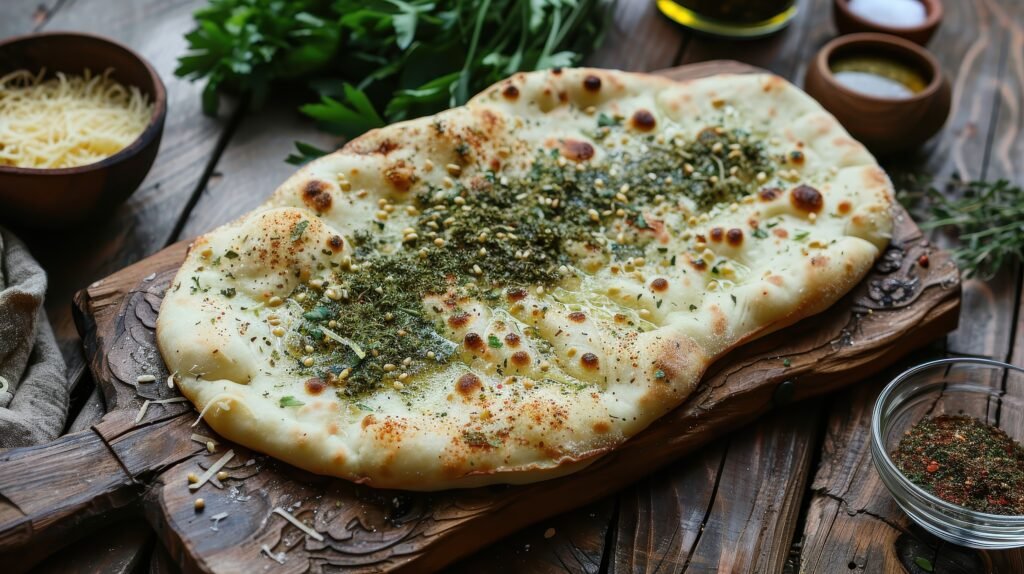
Katıklı Ekmek – Flatbread topped with spiced cheese and herbs, baked and served warm, similar to a regional style of lahmacun.
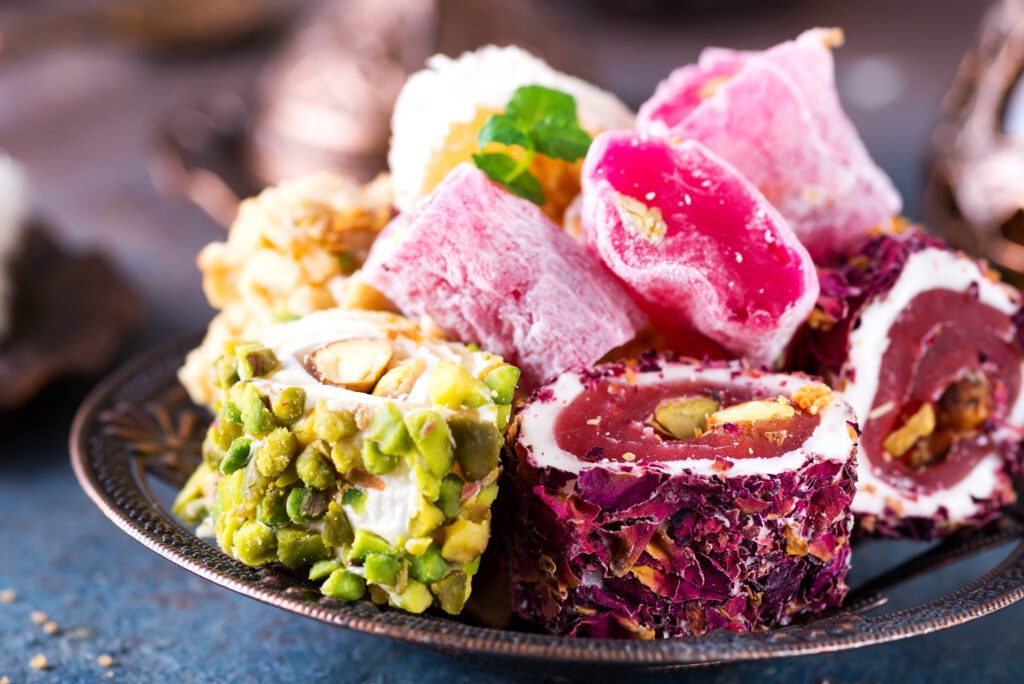
Antakya Künefe – Shredded pastry layered with local cheese, baked and soaked in syrup, served hot; considered the most iconic dessert of the region.
This meal provides a comprehensive introduction to the culinary identity of Hatay, where flavors are built through the careful balance of spices, herbs, and traditional preparation methods.
Time at leisure for a short walk or quiet reflection before proceeding to the airport.
Transfer to Hatay Airport for the evening flight to Istanbul. Upon arrival, transfer to the hotel.
Dinner:
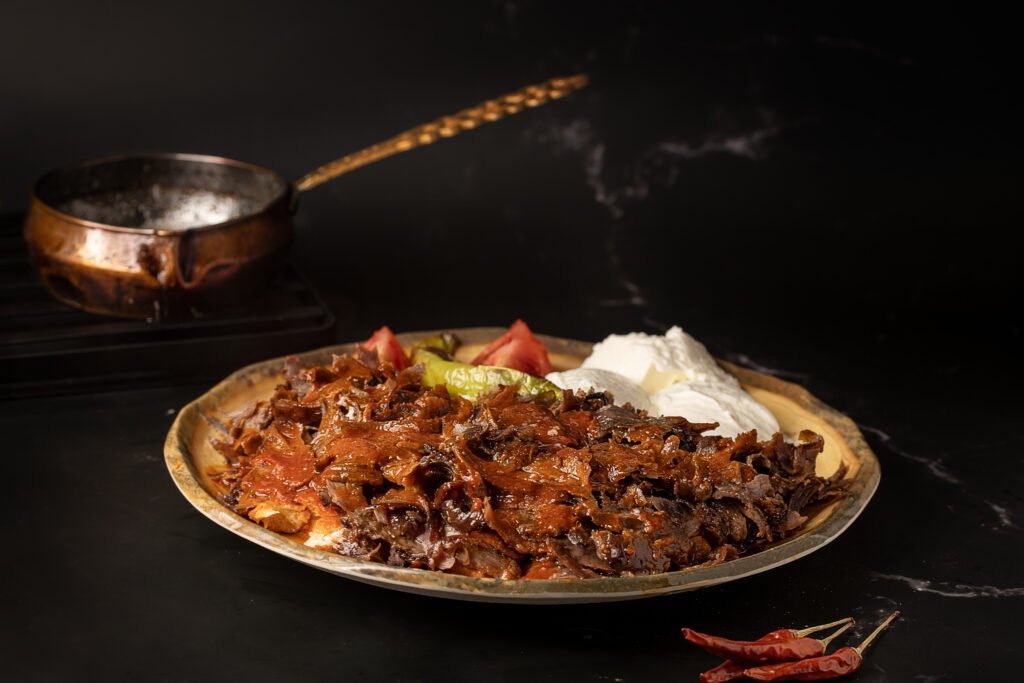
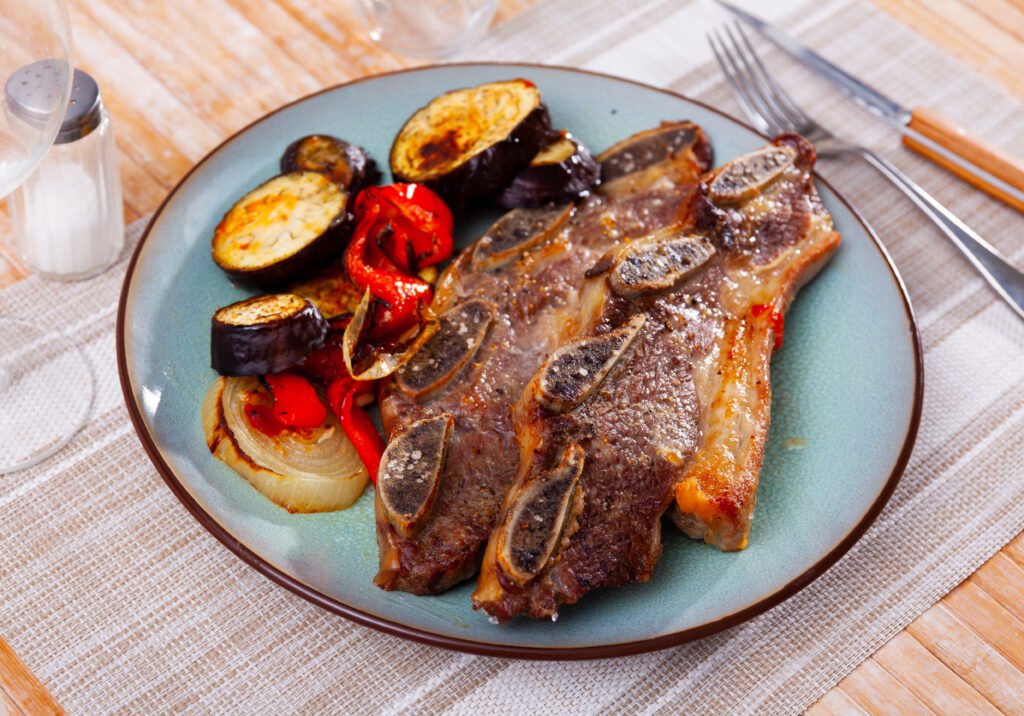
Kuzu İncik – Slow-cooked lamb shank served with vegetables, reflecting Ottoman culinary traditions.
Meze Tabağı – Selection of small dishes including dips, salads, and vegetable preparations.
Transfer: Hotel – Istanbul Airport | approx. 45 km | 1 hr (subject to traffic conditions)
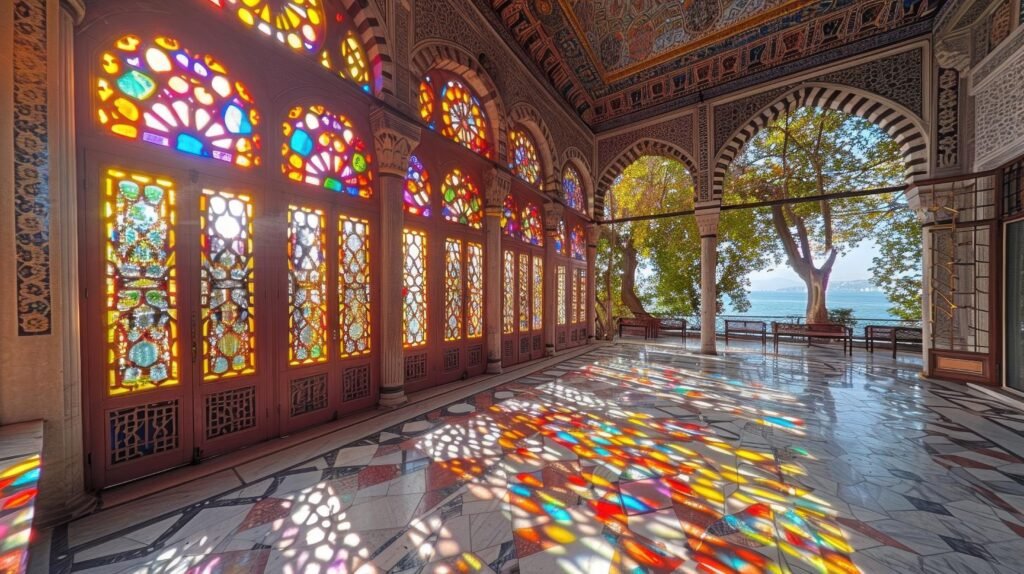
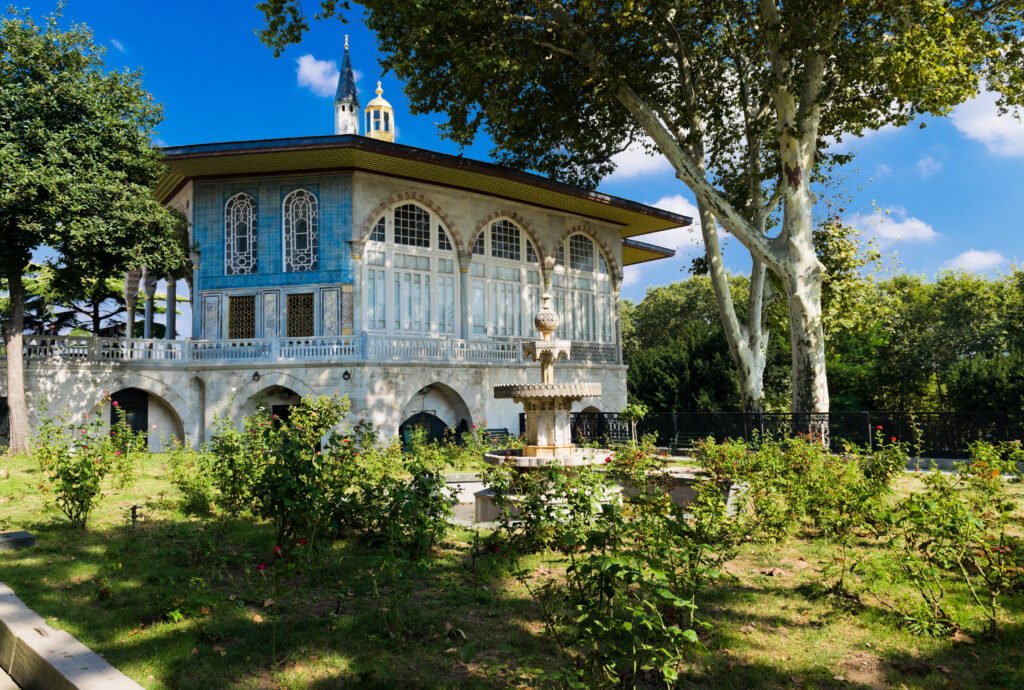
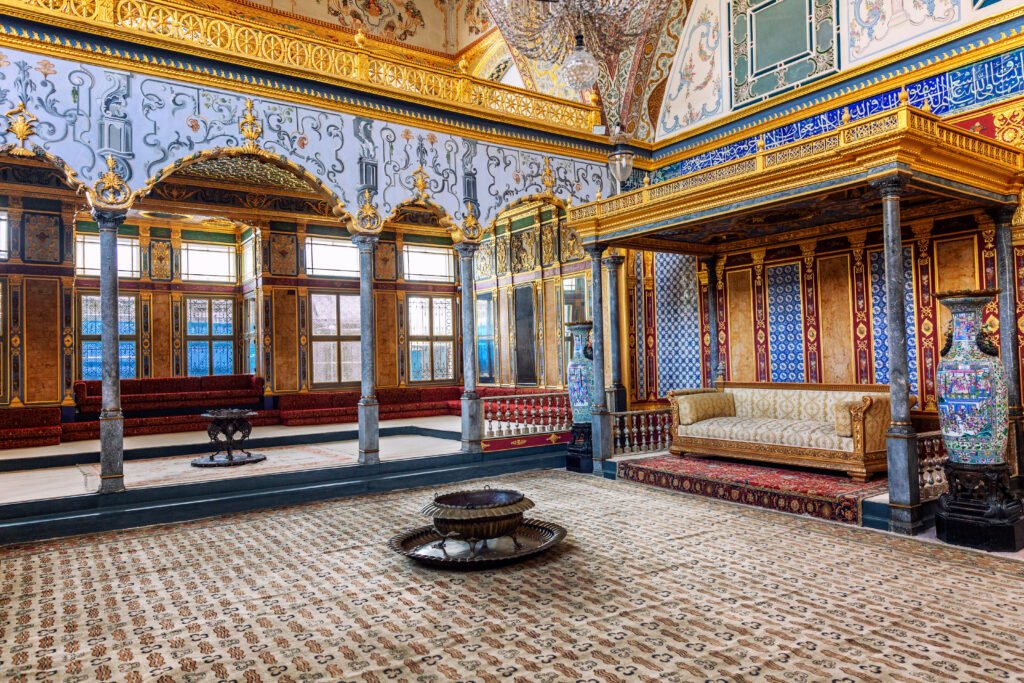
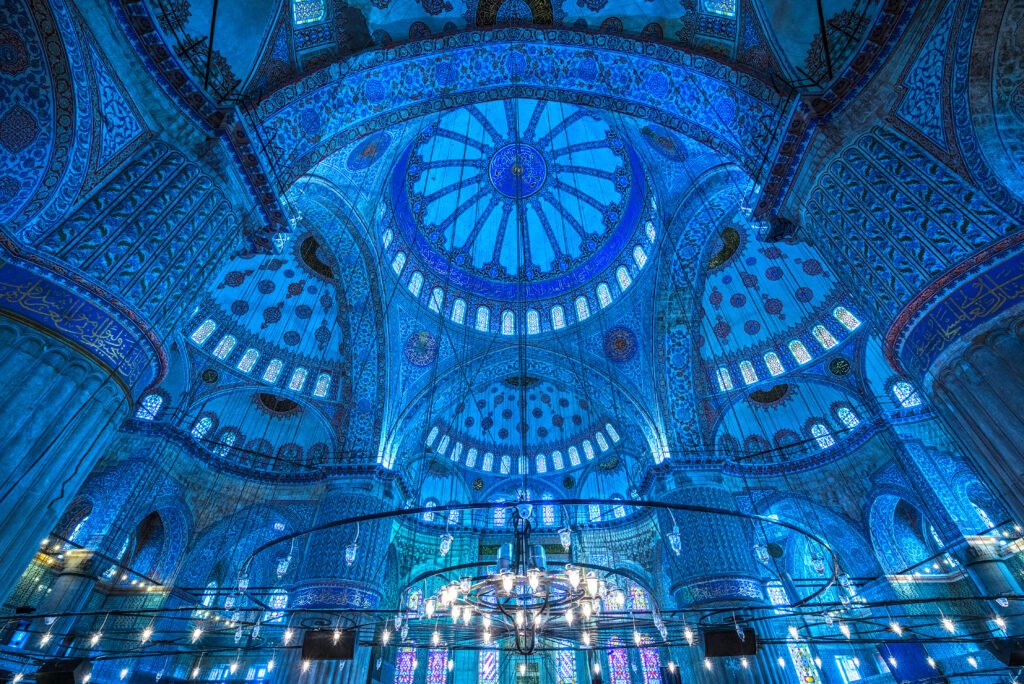
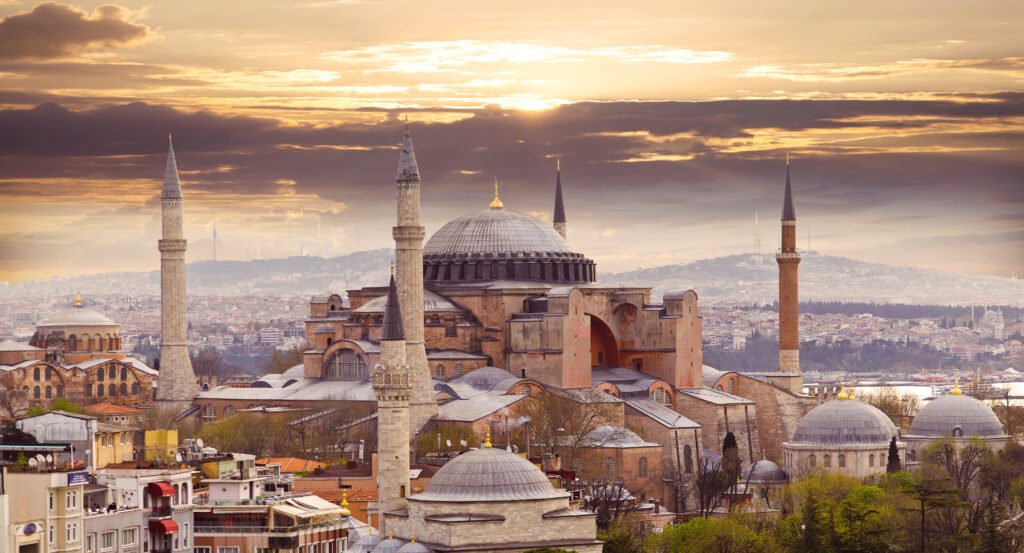
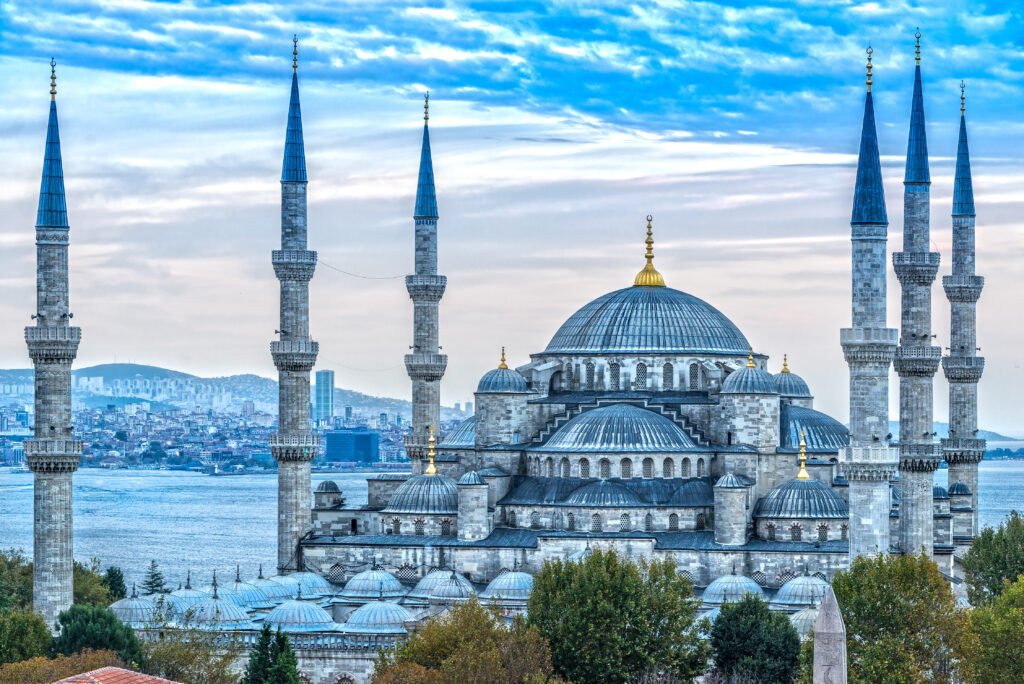
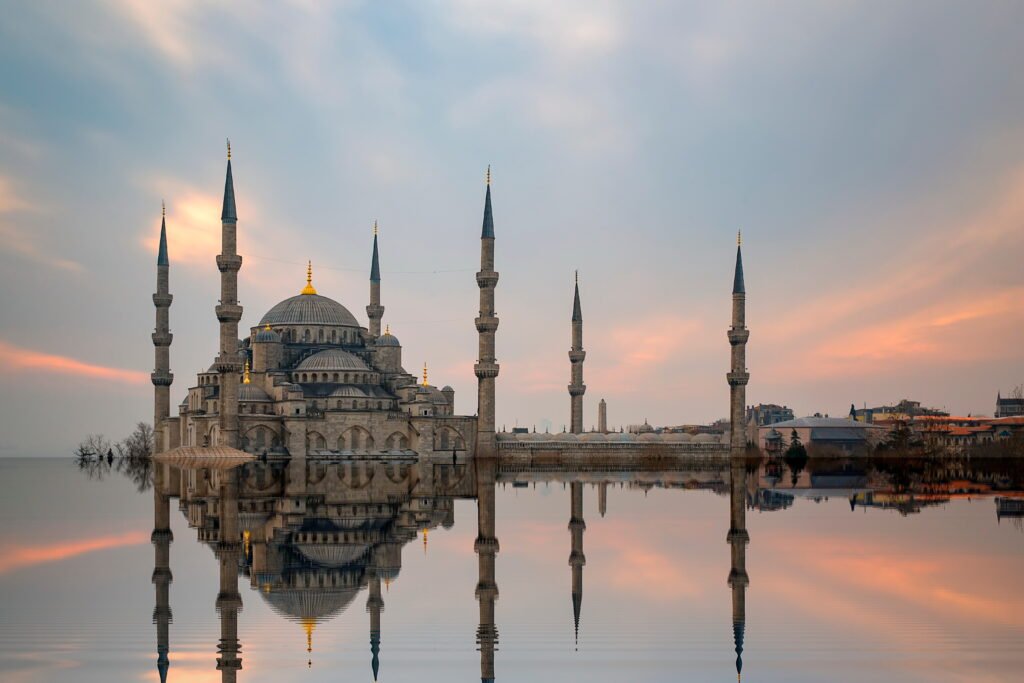
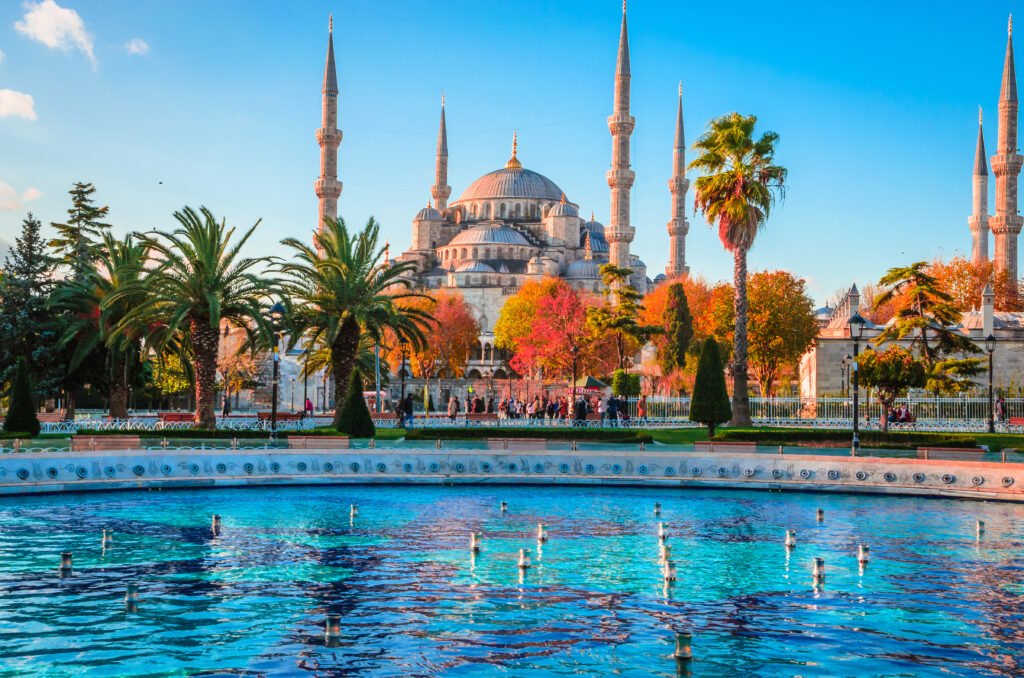
Proceed for a city tour of Istanbul, a historic crossroads of empires where Roman, Byzantine, and Ottoman influences converge. The city reflects a continuous legacy shaped by faith, trade, and imperial power, offering a fitting conclusion to the journey through Turquie.
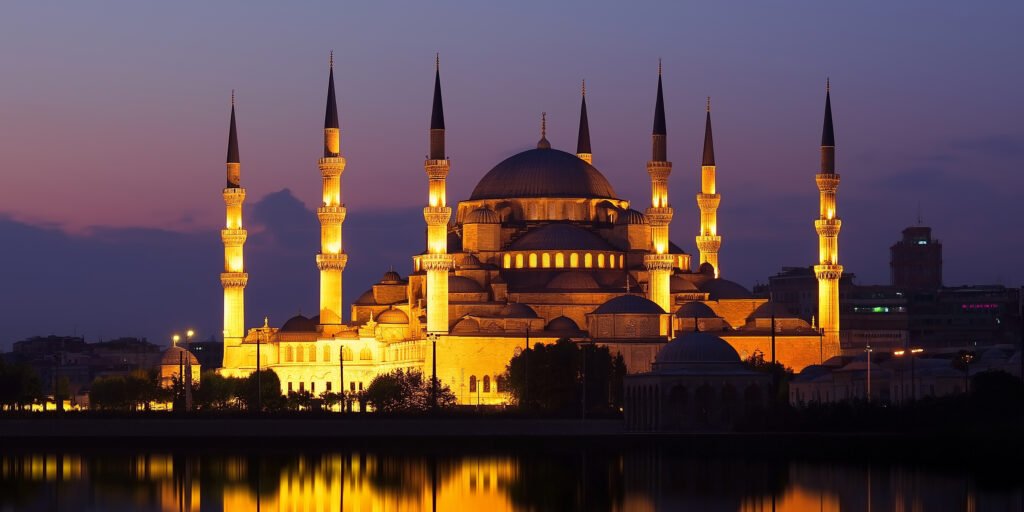
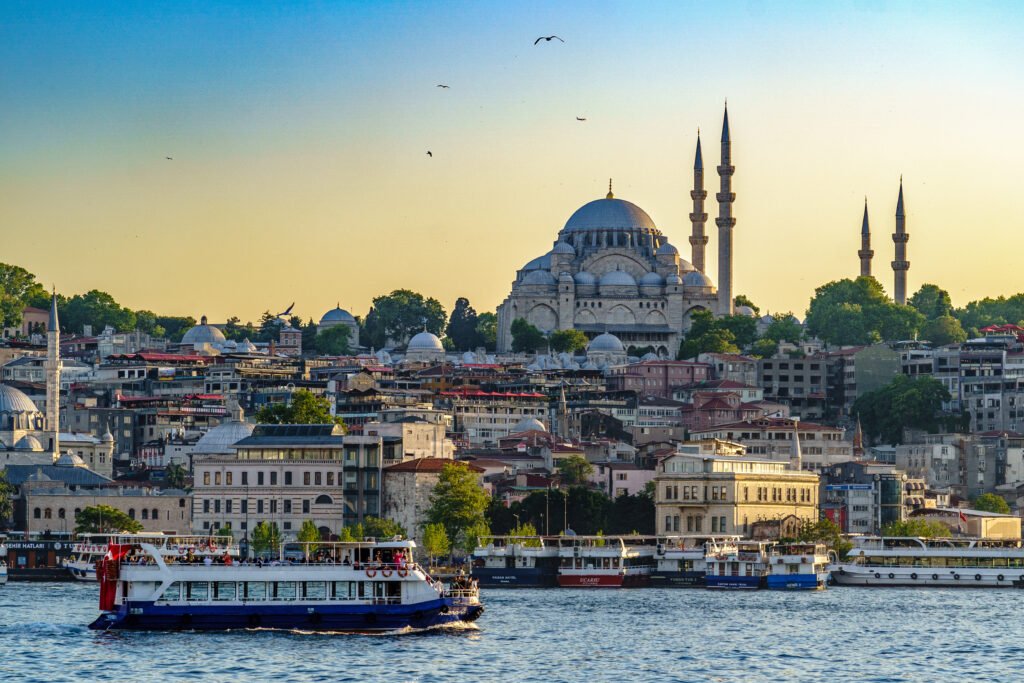
Visit the Hippodrome, once the center of public life in Constantinople, where chariot races and imperial ceremonies were held. Continue to the Blue Mosque, known for its domes and interior decoration with blue İznik tiles, representing classical Ottoman architecture. Proceed to Hagia Sophia, originally constructed as a cathedral during the Byzantine period and later converted into a mosque, standing today as one of the most significant monuments reflecting the city’s layered history.
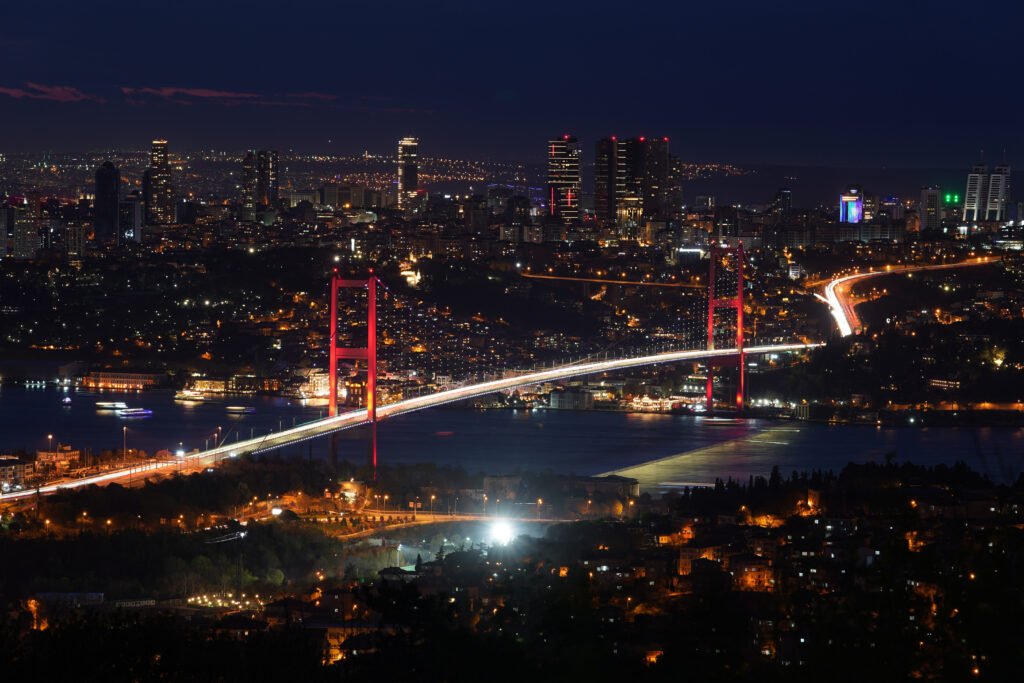
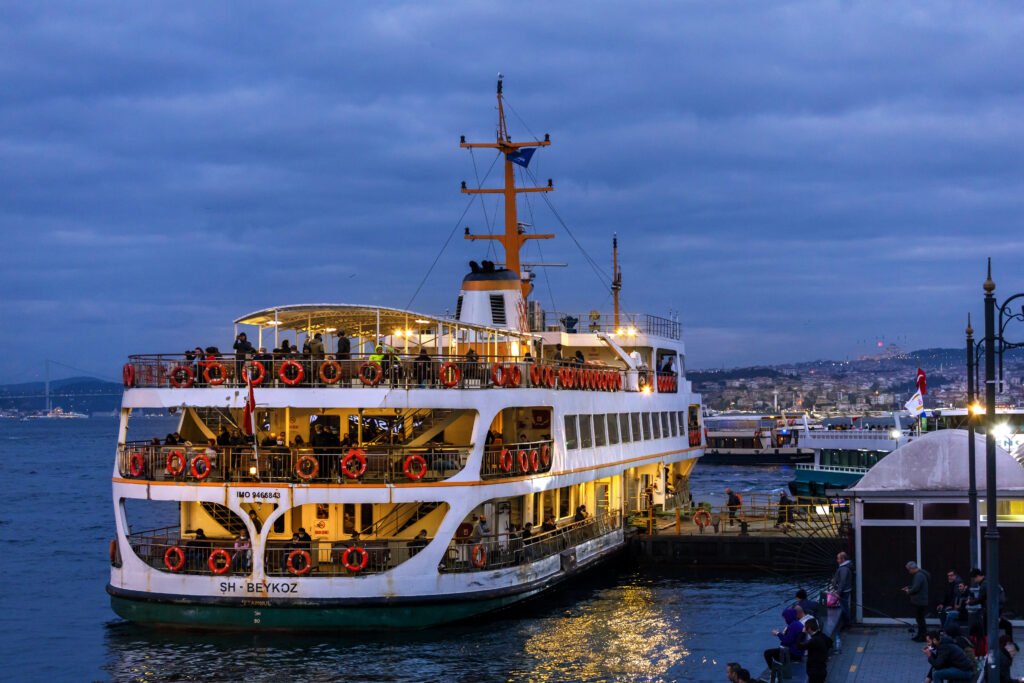
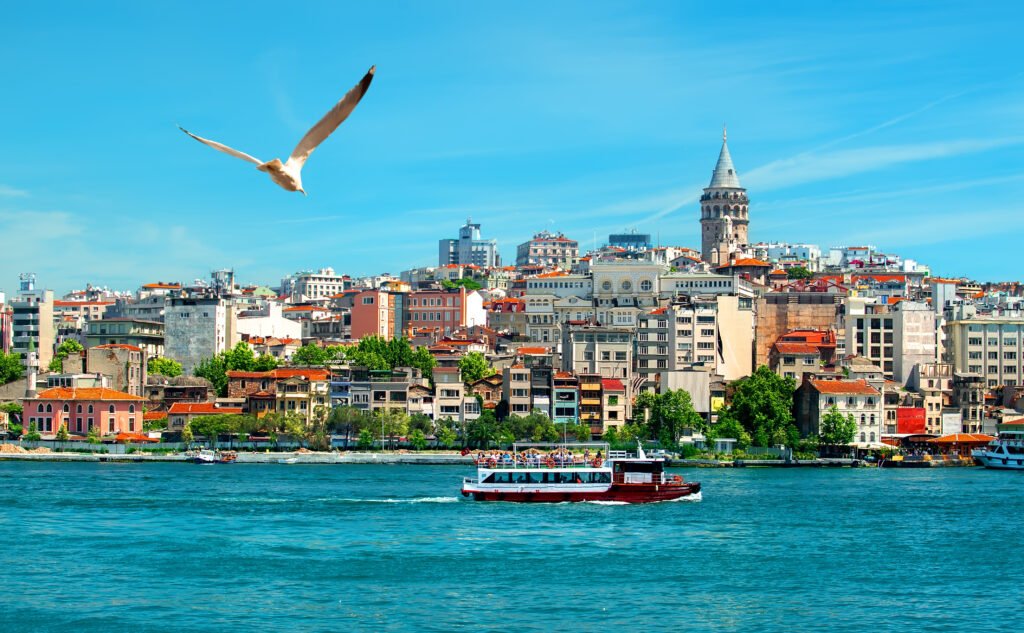
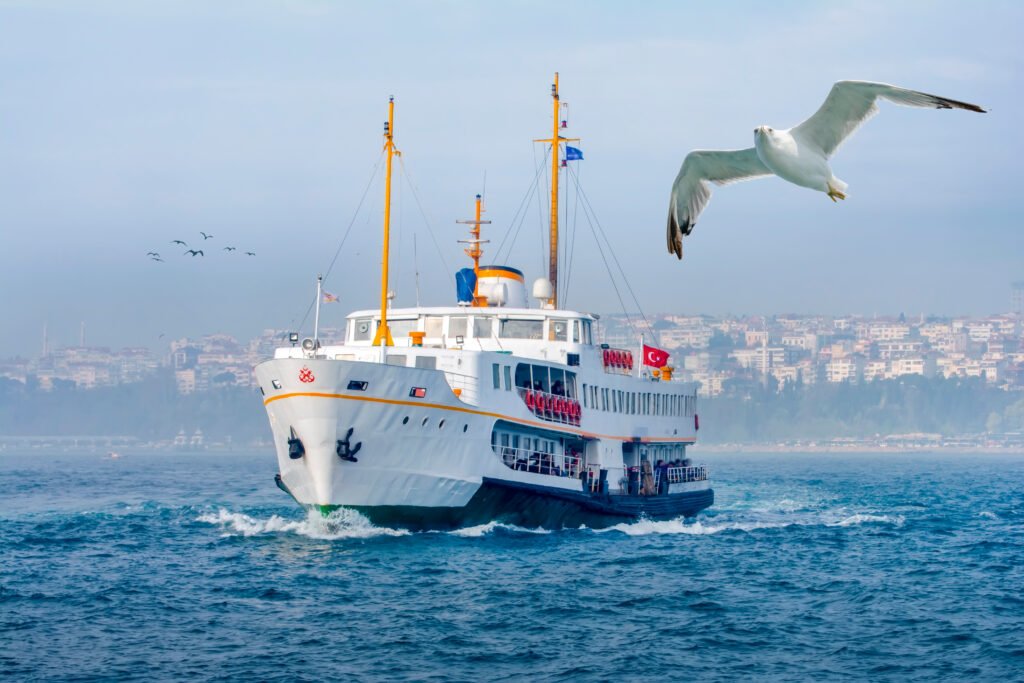
Continue with a Bosphorus cruise, sailing between the European and Asian shores of the city. The journey along the strait offers views of palaces, mosques, and waterfront residences, illustrating the strategic and cultural importance of Istanbul through the centuries.
Lunch:
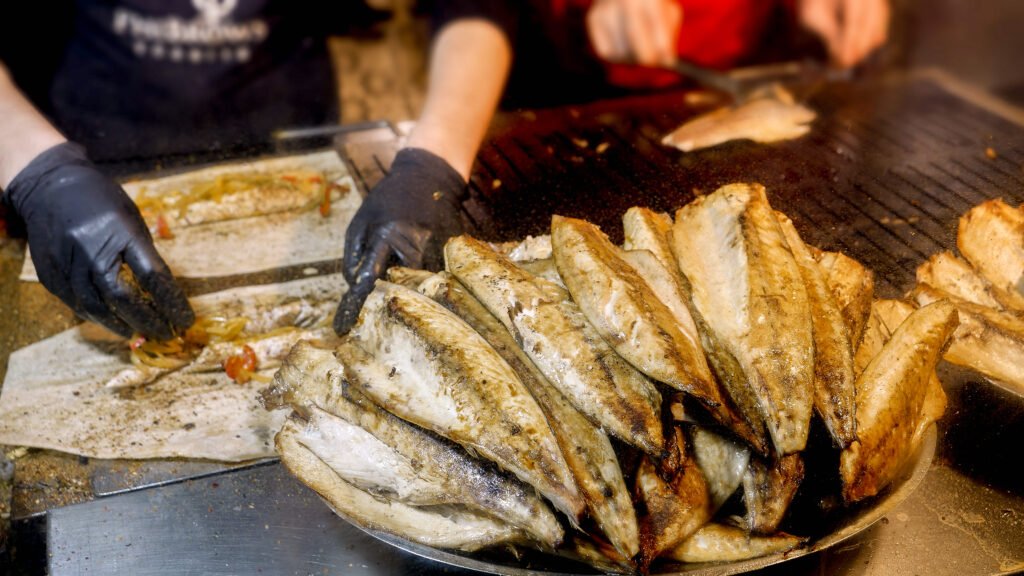
Balık Ekmek – Grilled fish served in bread with onions and salad, a well-known street food associated with the waterfront areas of Istanbul.
Return to the hotel for time at leisure or proceed directly to the airport depending on flight schedule.
Transfer to Istanbul Airport for departure.

www.cebuheritagetours.com
globe_location_pin Countries Covered
www.cebuheritagetours.com
Tour Overview
Arrival Port flight_land
Departure Port flight_takeoff
www.cebuheritagetours.com
Transfer: Istanbul Airport – Domestic Terminal.
Domestic Flight: Istanbul – Izmir.
Transfer: Izmir – Kusadasi | 80 km | approx. 1 hr 15 mins
Forenoon arrival at Istanbul International Airport. Meet and assist on arrival, followed by transfer to the domestic terminal for the onward flight to Izmir. Upon arrival, continue by road to Kusadasi.
The journey towards the Aegean coast passes through fertile plains and cultivated landscapes, gradually opening toward coastal views. Kusadasi serves as a gateway to the historical and biblical sites of western Turquie.
Lunch: Gözleme – Traditional hand-rolled flatbread cooked on a griddle, filled with spinach and cheese or minced meat, served fresh with Ayran, a yogurt-based drink widely consumed across Turquie.
Time at leisure upon arrival to settle in and adjust after the journey.
Dinner: Çipura Izgara: Fresh Aegean Sea bream fish grilled over charcoal, lightly seasoned and served with seasonal vegetables. Zeytinyağlı Sebzeler: Vegetables such as beans, eggplant, or artichokes cooked in olive oil, reflecting the coastal culinary tradition of the Aegean region.
Lunch & Dinner
Kusadasi
www.cebuheritagetours.com
Transfer: Hotel – Kusadasi Port (06:15 hrs). Ferry: Kusadasi – Patmos (08:00 – 10:15).
Transfer: Patmos – Port. Ferry: Patmos – Kusadasi (17:00 – 19:15). Transfer: Kusadasi Port – Hotel.
Early morning transfer from the hotel to Kusadasi port for the scheduled ferry departure to Patmos. The crossing over the Aegean Sea connects the western coast of Turquie with Patmos - one of the most significant pilgrimage islands in early Christianity.
Upon arrival, proceed to the Grotto of the Revelation, where St. John is believed to have received the visions that form the Book of Revelation. The cave remains a place of deep spiritual importance and quiet reflection. Continue to the Monastery of St. John the Theologian, a fortified complex that dominates the island skyline and preserves a long-standing monastic tradition, recognized as a UNESCO World Heritage Site.
Lunch:
Pita Gyro – Soft flatbread filled with grilled chicken or pork, served with fresh vegetables and tzatziki, reflecting the simple island-style cuisine of Patmos.
Tzatziki – Yogurt with cucumber and garlic, served with warm bread.
Greek Salad – Tomatoes, cucumber, olives, and feta cheese dressed with olive oil.
Transfer to the port for the return ferry to Kusadasi, arriving in the evening, followed by transfer back to the hotel.
Dinner:
Karma Izgara – Mixed grill of lamb, chicken, and köfte prepared over charcoal, commonly served as a shared meal.
Ezme – Finely chopped mixture of tomatoes, peppers, herbs, and spices, served as a meze.
Breakfast, Lunch & Dinner
Kusadasi
www.cebuheritagetours.com
Transfer: Kusadasi – Ephesus | 20 km | approx. 30 mins
Transfer: Ephesus – Izmir | 80 km | approx. 1 hr 15 mins
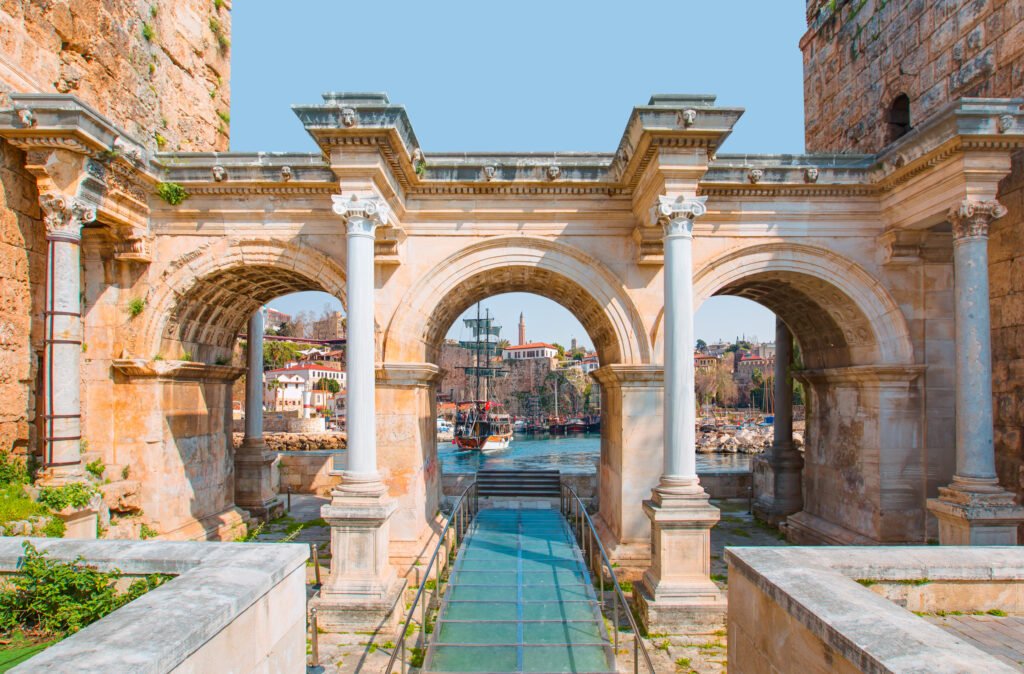
Depart Kusadasi for Ephesus, one of the most significant centers of early Christianity and among the best-preserved classical cities in the Mediterranean world. The walk through its marble streets reveals a city that once served as a major religious and commercial hub. Key monuments include the Library of Celsus, an architectural symbol of learning, the Temple of Hadrian, the Baths of Scholastica, and the Great Theatre where early Christian preaching took place. The site reflects both Roman grandeur and the formative years of the Christian faith.
Continue to the Basilica of St. John, built over the believed burial site of the Apostle. The structure stands as a reminder of the spread of Christianity in this region and its enduring legacy.
Lunch:
Lahmacun – Thin baked flatbread topped with minced meat, herbs, and spices, typically served with fresh greens and a squeeze of lemon.
Proceed to Izmir, known in antiquity as Smyrna, one of the Seven Churches of Revelation. The city held an important position in early Christian history and was known for its steadfast faith during periods of persecution. Visit the Church of St. Polycarp, dedicated to the bishop of Smyrna who is regarded as one of the early Church Fathers.
Dinner:
İzmir Köfte – Meatballs cooked with potatoes in a tomato-based sauce, a well-known regional dish.
Şakşuka – Fried vegetables served with tomato sauce, commonly presented as part of a meze selection.
Breakfast, Lunch & Dinner
Izmir
www.cebuheritagetours.com
Transfer: Izmir – Bergama (Pergamon) | 110 km | approx. 1 hr 30 mins
Transfer: Bergama – Akhisar (Thyatira) | 95 km | approx. 1 hr 30 mins
Transfer: Akhisar – Izmir | 90 km | approx. 1 hr 30 mins
Depart Izmir for Bergama to visit the ancient city of Pergamon, one of the prominent cities of the Roman and early Christian periods. The ascent to the acropolis reveals a settlement set high above the surrounding plains, reflecting its historical importance as a center of learning and religion. The remains of the Temple of Trajan, the Altar of Zeus, and the steeply built theatre illustrate the scale and ambition of the city. Pergamon is also noted as one of the Seven Churches of Revelation, often associated with the challenges of maintaining faith within a complex society.
Continue to Akhisar, the site of ancient Thyatira, another of the Seven Churches. Though modest in its present remains, Thyatira held significance as a center of trade and craftsmanship, particularly in textiles and dyeing. The message addressed to this church reflects themes of faith, conduct, and perseverance within a working community shaped by guild life and commerce.
Lunch:
Kumru Sandwich – Local specialty of the Izmir region, prepared with crusty bread filled with grilled sausage, cheese, and vegetables.
Return to Izmir. The route passes through cultivated lands and small towns that reflect the agricultural character of the region.
Dinner:
Kuzu Tandır – Lamb slow-roasted until tender, a traditional preparation widely enjoyed across Anatolia.
Piyaz – Bean salad prepared with olive oil and herbs, commonly served as a side dish.
Sütlaç – Rice pudding baked lightly on top, served as a classic dessert.
Breakfast, Lunch & Dinner
Izmir
www.cebuheritagetours.com
Transfer: Izmir – Sardis | 85 km | approx. 1 hr 15 mins
Transfer: Sardis – Alaşehir (Philadelphia) | 75 km | approx. 1 hr 15 mins
Transfer: Philadelphia – Laodicea | 140 km | approx. 2 hrs
Transfer: Laodicea – Pamukkale | 15 km | approx. 20 mins
Depart Izmir for Sardis, once the capital of the ancient Kingdom of Lydia and later an important center of early Christianity. The site preserves remains of a grand gymnasium, synagogue, and early church structures, reflecting a city that held both cultural and religious importance. Sardis is remembered as one of the Seven Churches, often associated with the call to renewal and vigilance.
Continue to Alaşehir, the site of ancient Philadelphia, known as the “Church of Brotherly Love.” The city stood along important trade routes and served as a gateway between regions, which contributed to its growth and resilience. The message addressed to this church reflects steadfastness and endurance, themes that are echoed in its long history.
Proceed to Laodicea, located near the Lycus River valley. This city was a prosperous center of commerce, known for banking, textiles, and medical knowledge. The extensive ruins, including streets, churches, and public buildings, indicate its former wealth. Laodicea is referred to as the “Lukewarm Church,” a message that reflects the challenges of spiritual complacency within a thriving society.
Lunch:
Pide – Oven-baked flatbread prepared with cheese or minced meat, served fresh and commonly enjoyed across the region.
Continue to Pamukkale and visit the ancient city of Hierapolis along with the famous white travertine terraces formed by mineral-rich thermal waters. The landscape presents a unique natural formation that has attracted visitors since antiquity, and the site is also associated with early Christian history.
Dinner:
Tavuk Şiş – Grilled chicken skewers marinated and cooked over charcoal, served with rice and vegetables.
Cacık – Yogurt mixed with cucumber and herbs, served chilled as a refreshing accompaniment.
Kabak Tatlısı – Pumpkin dessert cooked with sugar and served with nuts, reflecting traditional Anatolian sweets.
Breakfast, Lunch & Dinner
Pamukkale
www.cebuheritagetours.com
Transfer: Pamukkale – Antioch of Pisidia | 230 km | approx. 3 hrs 30 mins
Transfer: Antioch of Pisidia – Konya | 170 km | approx. 2 hrs 30 mins
Depart Pamukkale and travel inland toward Antioch of Pisidia, located in the highlands of central Anatolia. The route passes through changing landscapes, from fertile plains to elevated terrain, reflecting the geographical diversity of this region. Antioch of Pisidia holds particular importance in early Christian history as the site of St. Paul’s first recorded sermon during his missionary journeys.
Visit the remains of the ancient city, including the area believed to have housed the synagogue where St. Paul preached. Later, a church dedicated to him was constructed on this site, marking the establishment of one of the earliest non-Jewish Christian communities. The setting offers a sense of the early spread of Christianity beyond its initial centers.
Lunch:
Etli Ekmek – Long, thin flatbread topped with minced meat and baked in a traditional oven, a specialty associated with central Anatolia.
Continue to Konya, a city known for its historical and spiritual significance. It is widely associated with the teachings of Mevlana Jalaluddin Rumi and the tradition of the Whirling Dervishes. Visit the Mevlana Mausoleum, a place of reflection that continues to attract visitors seeking insight into Sufi philosophy and spiritual thought.
Dinner:
Fırın Kebabı – Lamb slow-cooked in a stone oven, prepared in its own juices, a traditional dish of Konya.
Bamya Çorbası – Okra soup served at the beginning of meals, reflecting long-standing culinary customs of the region.
Höşmerim – Dessert made from cheese and semolina, lightly sweetened and rooted in Anatolian tradition.
Breakfast, Lunch & Dinner
Konya
www.cebuheritagetours.com
Transfer: Konya – Cappadocia | 240 km | approx. 3 hrs 30 mins
Depart Konya and proceed across the Anatolian plateau toward Cappadocia. The journey passes through open steppe landscapes and rural settlements, gradually giving way to the distinctive volcanic formations that define the region.
On arrival, visit the underground city of Kaymakli, a multi-level settlement carved into soft rock, used as a place of refuge during times of persecution. The network of tunnels, storage rooms, and living spaces reflects the defensive needs and communal life of early Christian populations.
Continue to the Göreme Open-Air Museum, a monastic complex where a number of rock-cut churches preserve early Christian art and worship spaces. Among the notable churches visited are the Dark Church (Karanlık Kilise), known for its well-preserved frescoes due to limited light exposure; the Apple Church (Elmalı Kilise), featuring scenes from the life of Christ; the Snake Church (Yılanlı Kilise), named after its fresco depicting St. George and the dragon; and the St. Barbara Church (Azize Barbara Kilisesi), recognized for its symbolic red-ochre decorations. These churches provide insight into the theological expression and daily religious life of early monastic communities.
Lunch:
Dürüm – Grilled meat wrapped in thin flatbread with fresh vegetables, commonly prepared as a practical meal during travel.
Dinner:
Mercimek Çorbası – Lentil soup, commonly served at the beginning of meals across Turquie.
Testi Kebabı – Meat and vegetables slow-cooked in a sealed clay pot, a traditional Cappadocian method where the pot is opened before serving.
Breakfast, Lunch & Dinner
Cappadocia
www.cebuheritagetours.com
Transfer: Uchisar – Avanos | 10 km | approx. 15 mins
Transfer: Pigeon Valley – Cappadocia Hotel | approx. 10 km | 15–20 mins
No long-distance transfers for the day. Local exploration within Cappadocia, allowing a more relaxed pace to experience the landscape and cultural elements of the region.
An early morning optional hot air balloon experience offers a view over the volcanic terrain shaped by erosion. The valleys, rock formations, and cave dwellings reflect a region where natural formations supported early Christian monastic life.
Proceed to Uchisar Castle, the highest point in Cappadocia, offering wide views across the valleys and surrounding settlements. Continue to Avanos, a town located along the Red River and known for its long-standing pottery tradition. Visit a local workshop where traditional pottery-making techniques are demonstrated, reflecting a craft practiced in the region for generations.
Lunch:
Gözleme – Thin flatbread prepared with simple fillings such as cheese, spinach, or potatoes, cooked on a griddle and served fresh.
Continue to Devrent Valley, where natural rock formations resemble animals and abstract shapes formed through erosion. Proceed to Pasabag (Monks Valley), known for its distinctive fairy chimneys with multiple caps, once used by hermits for retreat and isolation.
Continue to Pigeon Valley viewpoint, where rock faces are carved with pigeon houses that were historically used to support agriculture. The valley offers a broad perspective of the region’s terrain and settlement patterns.
Return to the hotel.
Dinner:
Kuzu Güveç – Lamb cooked slowly in a clay pot with vegetables, reflecting traditional Anatolian cooking methods.
Pilav – Rice preparation served as a staple accompaniment to main dishes.
Sütlaç – Rice pudding, lightly baked and served as a common dessert across the region.
Breakfast, Lunch & Dinner
Cappadocia
www.cebuheritagetours.com
Depart Cappadocia and travel south toward the Cilician plains, where the landscape gradually shifts from volcanic formations to fertile lowlands. The route follows an important historical corridor linking central Anatolia with the Mediterranean region.
Arrive in Tarsus, the birthplace of St. Paul, one of the most influential figures in early Christianity. Visit key sites associated with his life, including the area traditionally identified with his birthplace and the historic well often referred to as St. Paul’s Well. The city reflects layers of Roman, early Christian, and later cultural influences, offering context to the environment in which St. Paul was raised.
Lunch:
Adana Dürüm – Thin flatbread wrapped around spiced minced meat grilled over charcoal, served with fresh herbs and vegetables, reflecting the culinary traditions of southern Turquie.
Continue to Adana, located along the Seyhan River, a city known for its agricultural richness and strong culinary identity rooted in regional traditions.
Dinner:
Adana Kebab – Spiced minced lamb skewered and grilled over charcoal, a signature dish of the region known for its distinct seasoning.
Şalgam – Fermented turnip juice, traditionally served as an accompaniment to grilled meats in this region.
Künefe – Dessert made with fine pastry layers and soft cheese, soaked in syrup and served warm.
Breakfast, Lunch & Dinner
Adana
www.cebuheritagetours.com
Transfer: Adana – Antakya | 190 km | approx. 3 hrs
Transfer: Antakya – Hatay Airport | approx. 25 km | 40 mins
Flight: Hatay – Istanbul (after 19:00 hrs)
Depart Adana and proceed to Antakya, ancient Antioch on the Orontes, one of the most important centers of early Christianity. The journey leads into a region shaped by centuries of cultural exchange, reflected both in its history and its cuisine.
Antioch holds particular significance as the place where the followers of Christ were first called “Christians.” It was here that St. Paul and Barnabas taught and established one of the earliest organized Christian communities. From this city, their missionary journeys expanded across Asia Minor, making Antioch a principal base in the spread of early Christianity.
Visit the Cave Church of St. Peter, regarded as one of the earliest places of Christian worship. Carved into the mountainside, the site reflects the conditions under which early believers gathered, offering insight into the formative years of the Church.
Lunch:
Hatay (Antakya) is actually a UNESCO-recognized gastronomy region, with a cuisine shaped by multiple civilizations and known for its balance of spices, acidity, and richness.
Ekşi Aşı Çorbası – A hearty soup enriched with pomegranate molasses, giving it a distinct tangy flavor, often combined with grains and small bulgur dumplings.
Tepsi Kebabı – Minced meat mixed with herbs and spices, spread in a tray and baked in a stone oven, a signature dish of Antakya households.
İçli Köfte (Oruk) – Bulgur shells stuffed with spiced minced meat, either fried or baked, reflecting the Levantine influence on the region’s cuisine.
Humus & Zahter Salad – Chickpea dip and herb-based salad seasoned with local spices, showcasing the region’s use of fresh ingredients and herbs.
Katıklı Ekmek – Flatbread topped with spiced cheese and herbs, baked and served warm, similar to a regional style of lahmacun.
Antakya Künefe – Shredded pastry layered with local cheese, baked and soaked in syrup, served hot; considered the most iconic dessert of the region.
This meal provides a comprehensive introduction to the culinary identity of Hatay, where flavors are built through the careful balance of spices, herbs, and traditional preparation methods.
Time at leisure for a short walk or quiet reflection before proceeding to the airport.
Transfer to Hatay Airport for the evening flight to Istanbul. Upon arrival, transfer to the hotel.
Dinner:
Kuzu İncik – Slow-cooked lamb shank served with vegetables, reflecting Ottoman culinary traditions.
Meze Tabağı – Selection of small dishes including dips, salads, and vegetable preparations.
Breakfast, Lunch & Dinner
Istanbul
www.cebuheritagetours.com
Transfer: Hotel – Istanbul Airport | approx. 45 km | 1 hr (subject to traffic conditions)
Proceed for a city tour of Istanbul, a historic crossroads of empires where Roman, Byzantine, and Ottoman influences converge. The city reflects a continuous legacy shaped by faith, trade, and imperial power, offering a fitting conclusion to the journey through Turquie.
Visit the Hippodrome, once the center of public life in Constantinople, where chariot races and imperial ceremonies were held. Continue to the Blue Mosque, known for its domes and interior decoration with blue İznik tiles, representing classical Ottoman architecture. Proceed to Hagia Sophia, originally constructed as a cathedral during the Byzantine period and later converted into a mosque, standing today as one of the most significant monuments reflecting the city’s layered history.
Continue with a Bosphorus cruise, sailing between the European and Asian shores of the city. The journey along the strait offers views of palaces, mosques, and waterfront residences, illustrating the strategic and cultural importance of Istanbul through the centuries.
Lunch:
Balık Ekmek – Grilled fish served in bread with onions and salad, a well-known street food associated with the waterfront areas of Istanbul.
Return to the hotel for time at leisure or proceed directly to the airport depending on flight schedule.
Breakfast, Lunch & Dinner
Istanbul/Departure
www.cebuheritagetours.com
Transfer to Istanbul Airport for departure.
N/A
N/A
www.cebuheritagetours.com
A bespoke journey through Turquie and Patmos, tracing the Revelation of St. John, the Seven Churches, and the apostolic legacy of St. Paul.